
House · Installed in Park City and across Utah
Mancini Wallpapers is a wallcovering installation contractor headquartered in Park City, Utah. We install Pierre Frey wallcoverings, the hand screen printed papers, the Braquenié panoramics, the embroidered straws, and the paper-backed weaves among them, across Park City, Deer Valley, the Heber Valley, and the Salt Lake Valley, to the hanging guides the house publishes. We hold no partnership or certification from Pierre Frey.
The house
Pierre Frey was founded in Paris in 1935 by the man whose name it carries, working with the designer Jean Chatanay, as a house specialised in upholstery fabrics. It remains a family business, handed down, by its own account, for three generations: today Vincent Frey is chief executive, Patrick Frey is honorary president and artistic director, and Pierre Frey is communication director. The head office is at 47 rue des Petits Champs, in the first arrondissement.
The house describes itself as one that creates, edits, and manufactures fabrics, wallpapers, custom-made rugs, and furniture. It weaves in its own mill at Montigny-en-Cambrésis, in northern France, and it has grown by bringing other names into the group: Braquenié in 1991, Boussac and Fadini Borghi in 2004, Thorp of London in 2022, and Mauny and Zuber in 2023. An archive created in 2003 feeds a studio of eight designers.
What arrives on a job depends on the reference. The house sells its wallcoverings three ways, by the roll, by the metre, and as a complete panoramic, on paper and non-woven backings, and it publishes a hanging guide for each construction. When the goods arrive, the crew reads the guide and the technical sheet before the paste is chosen, and the repeat before the quantity.
Since 1935
The house dates itself to 1935, in Paris. In 1989 it bought the Denimal weaving mill in northern France, with which it had worked since the 1950s, and Tramore, a linen and wool weave on a non-woven backing, is woven in the house's northern workshops today. In 1991 the Frey family acquired Braquenié, which had stayed in one family until then.
The archives department was created in 2003, and Boussac and Fadini Borghi followed in 2004. The most recent chapter is wallpaper itself: on 1 September 2023 the house acquired Zuber, the manufacture at Rixheim in Alsace, which it describes as the only one to have kept the tradition of block printing for panoramic decors.
 1989
A founding, a mill, a house of prints, an archive, two more names, and a manufacture
A curiosity from the archive
The house created its archives department in 2003. Its About page puts the collection at over 25,000 documents, dating from the sixteenth century to the present, and the heritage page counts around 400 samples of wallpaper from the eighteenth and nineteenth centuries among them. Everything, down to the largest Indian palampores, is filed in premises the house says meet museum standards.
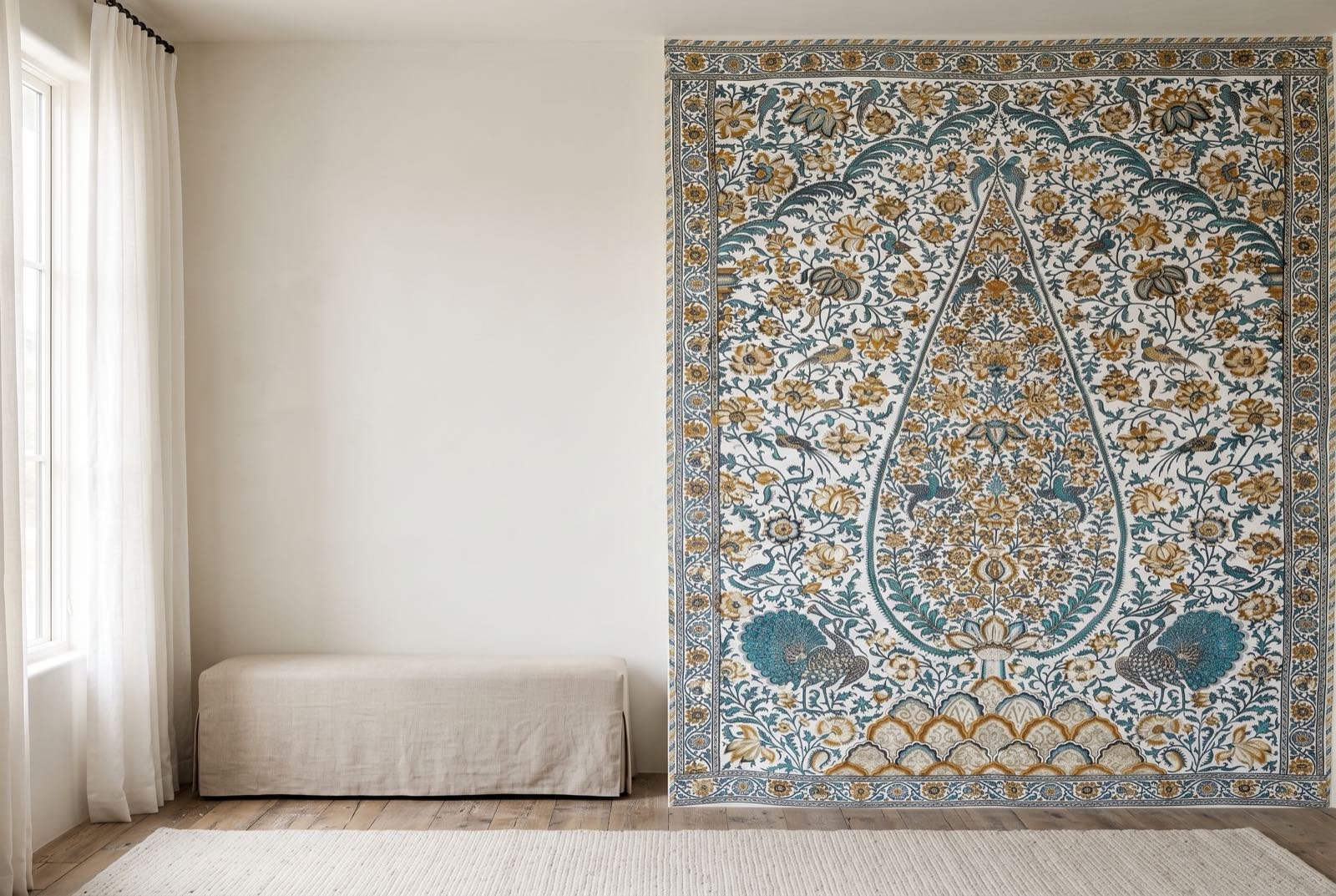
L'Arbre aux Oiseaux comes from that store. The house records that the original kalemkar, painted and printed in India in the nineteenth century, is kept in its archives; the panoramic drawn from it sits in the Braquenié collection titled Anniversaire 1823 - 2023. Toile de Nantes has the same kind of source: the house describes it as a stipple or ikat toile of the second half of the eighteenth century.
L'Arbre aux Oiseaux in Miel et Turquoise, shown in a sitting room
Where it comes from
Pierre Frey's head office is at 47 rue des Petits Champs in the first arrondissement of Paris, about 5,060 miles from Park City. The pin on this map marks that address. The house names no printing site for its main wallpaper ranges, so the map plots the head office and makes no claim about where a given roll is printed.
What the house does name is a set of workshops. Its fabrics are woven at its own mill at Montigny-en-Cambrésis, in northern France, the former Denimal mill it bought in 1989, and it says of one wallcovering, Tramore, that the cloth is woven in its northern workshops. Its logistics warehouse is at Troisvilles, also in the north. Within the group, Zuber makes wallpaper at Rixheim in Alsace, and Thorp of London screen prints by hand at Long Stratton in Norfolk.
The house sells only to professional customers, so a Pierre Frey order reaches Utah through a designer or a trade showroom. The last leg is ours. When the goods arrive, the crew checks that the batch number and the reference are the same on every roll and that the whole roll is free of defects, as the house's guides ask, and the rolls rest in the room before anything is cut.
The savoir-faire
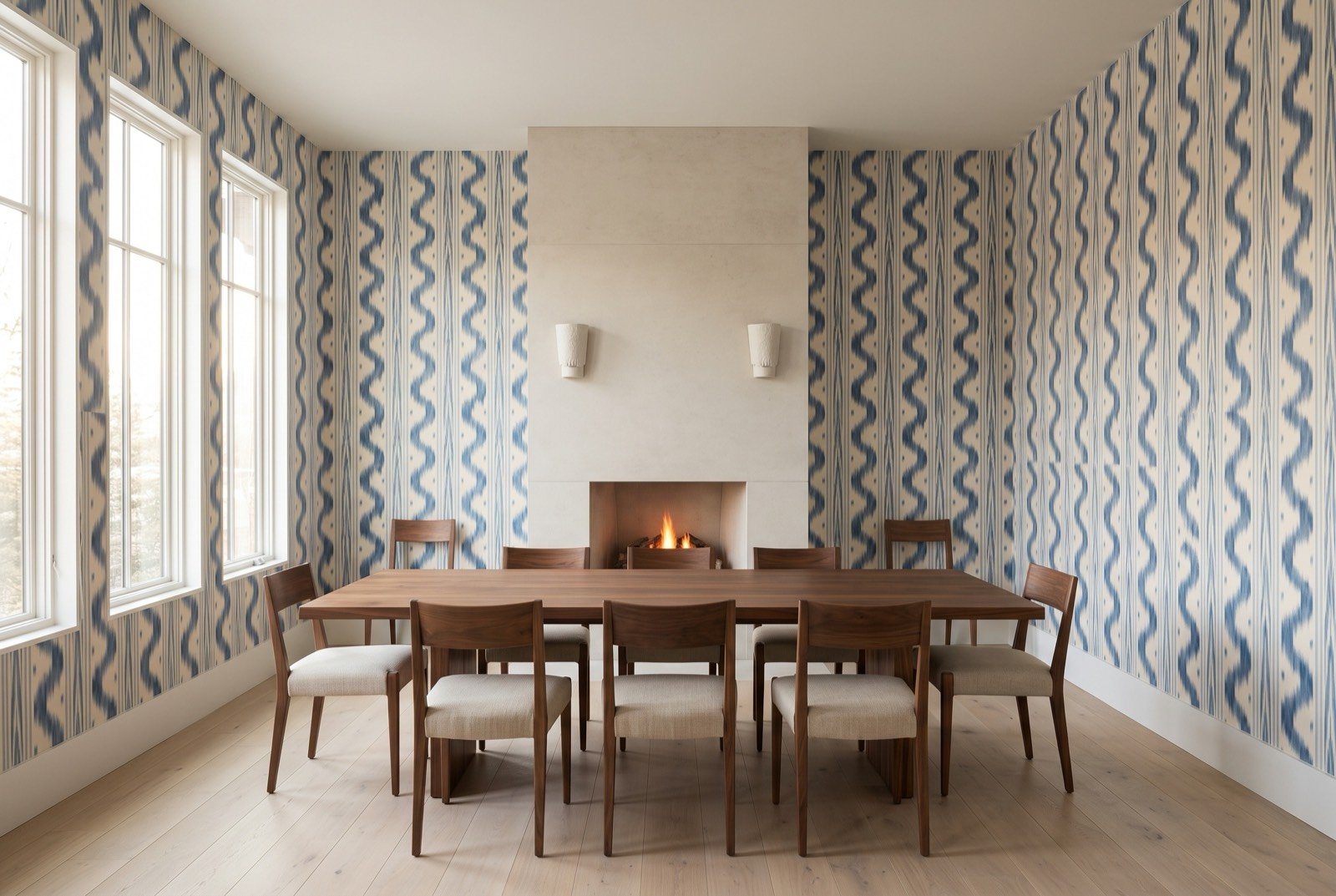
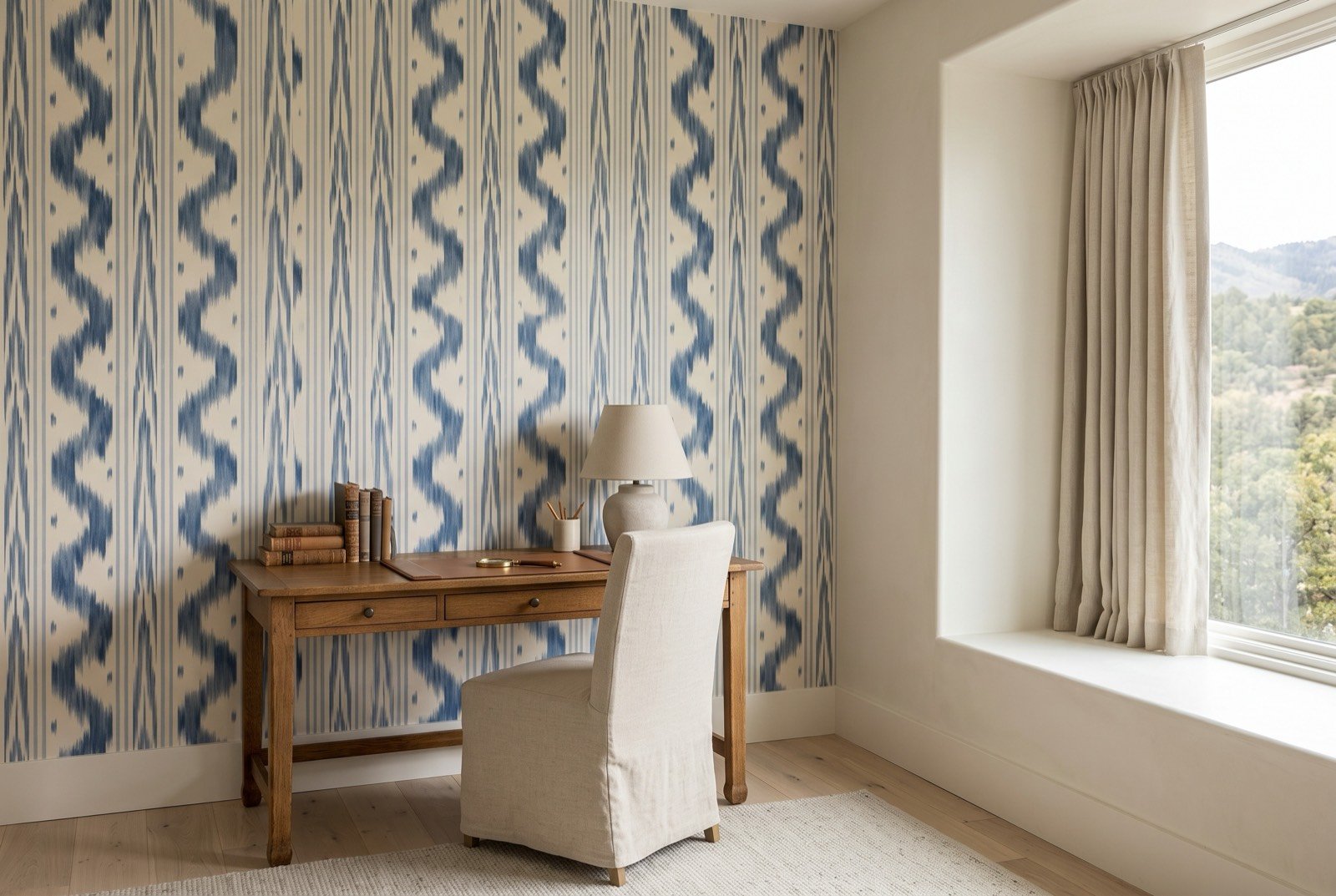
Toile de Nantes, Espalier, and Le Grand Corail carry the same note on their product pages: hand screen printed. The house describes the method itself. In use since 1970, it replaced the older woodcut. Each design is separated into its colours, several colour trials are made to reach the right shade, and craftsmen position the stencil frames by hand, one after the other, and scrape the colour across the inside of each frame.
Before the frames comes the studio, where the designers photograph and digitise each work so that the design matches and balances once it is on the wall. Before the studio comes the archive: the house notes that most of its old wallpaper samples were printed with wood blocks, and calls reproducing them a stimulating technical challenge. For the installer the lesson is on the technical sheet: Toile de Nantes is on a paper backing, listed as not trimmed, pasted on the back, and given a soaking time of two minutes at most.
Toile de Nantes in Bleu Ancien, a hand screen printed paper, shown in a study
What arrives on the job
Pierre Frey sorts its wallpapers into ten types on its own site: corks, embossed patterns, embroideries, end-on-end threads, panoramic wallpapers, paperbacked fabrics, straws and similar materials, vinyls, and small-width and wide-width printed wallpapers. Every product page carries a technical sheet with rows for trimming, hanging, removal, and care, and that sheet is what the crew reads first. Three of those constructions are shown here, close.
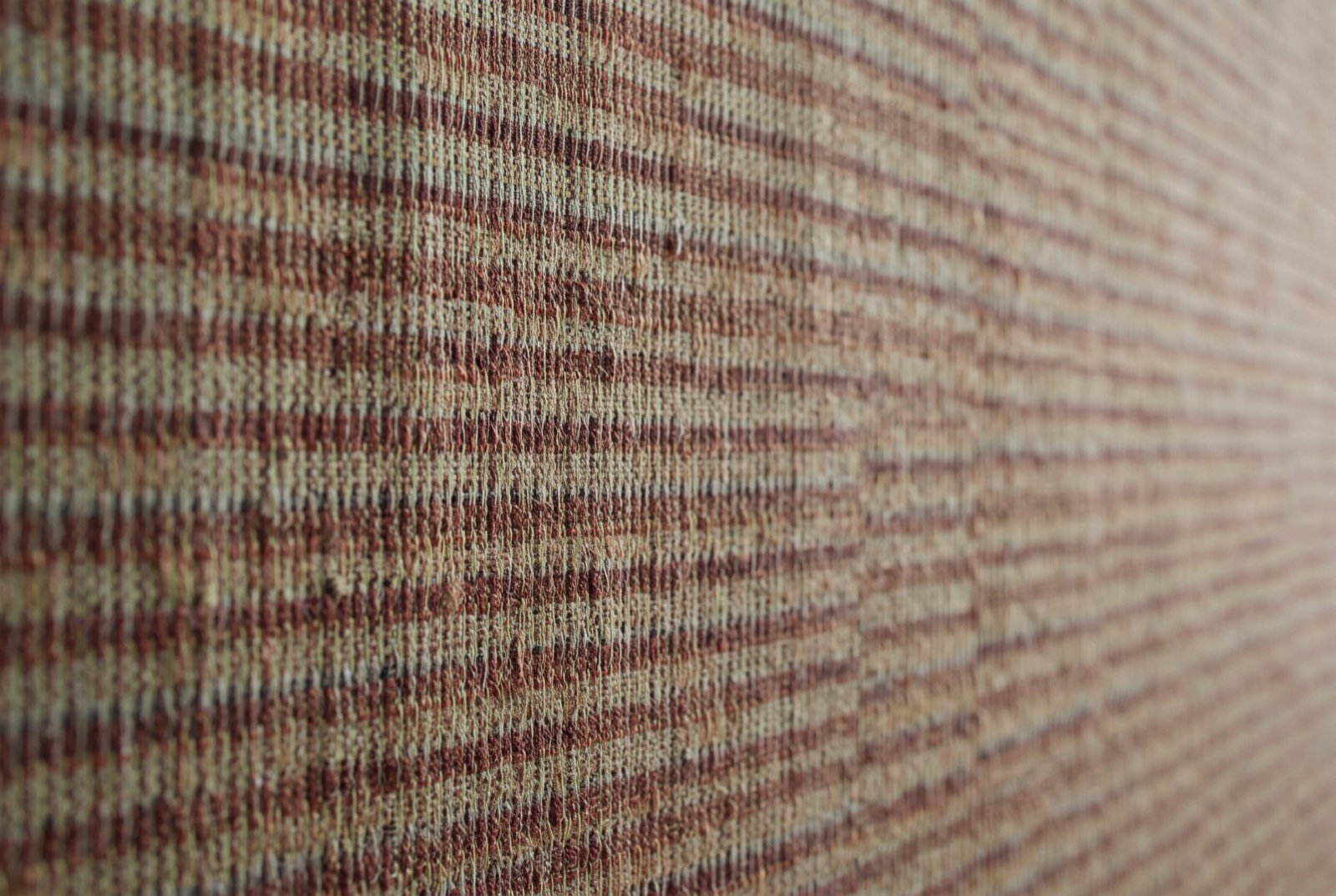 01
Paper-backed weave
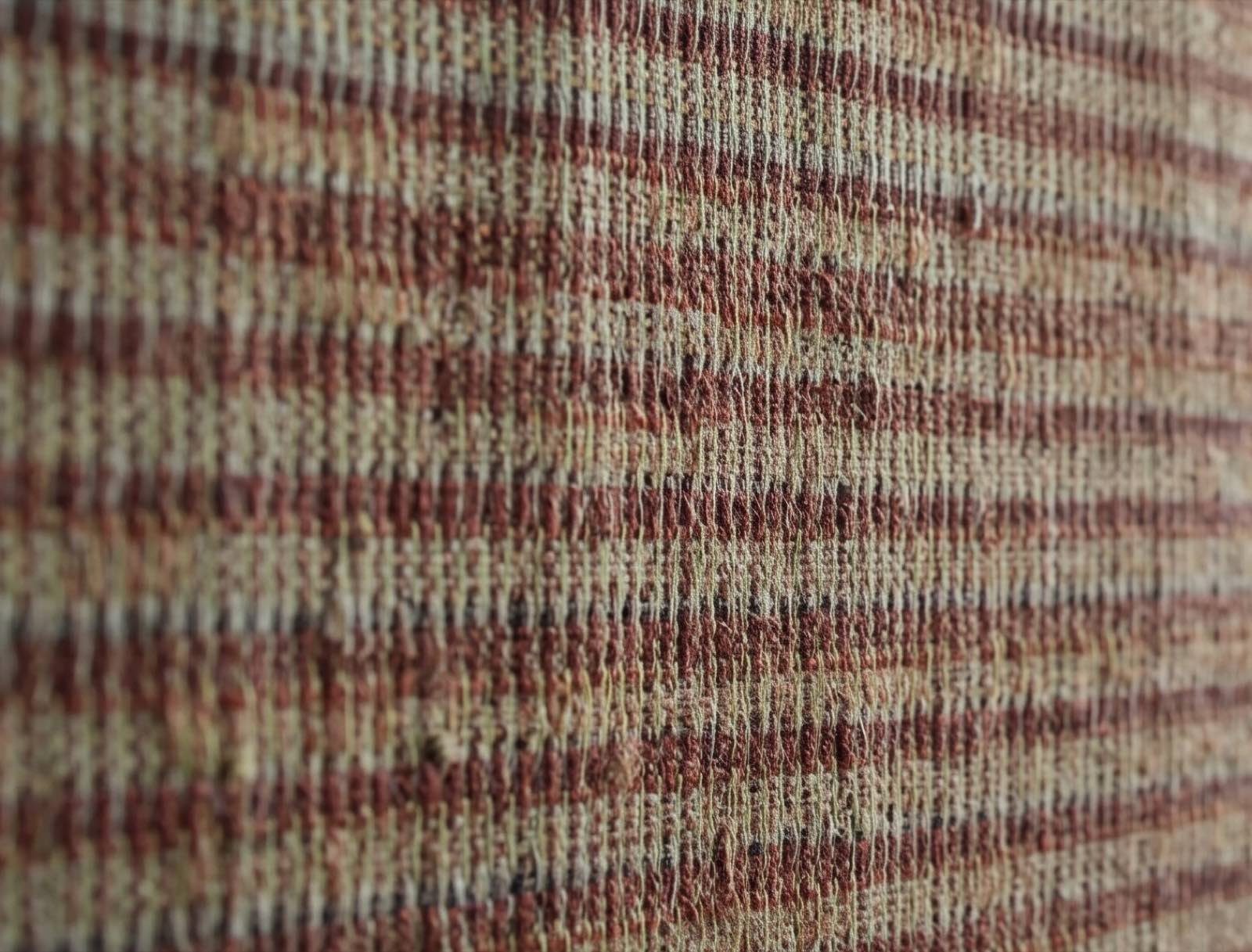
Linen and wool on a non-woven backing, 135 cm (53 in) wide, sold by the metre or yard. Paste the wall. The house marks a panel effect: the joints stay visible.
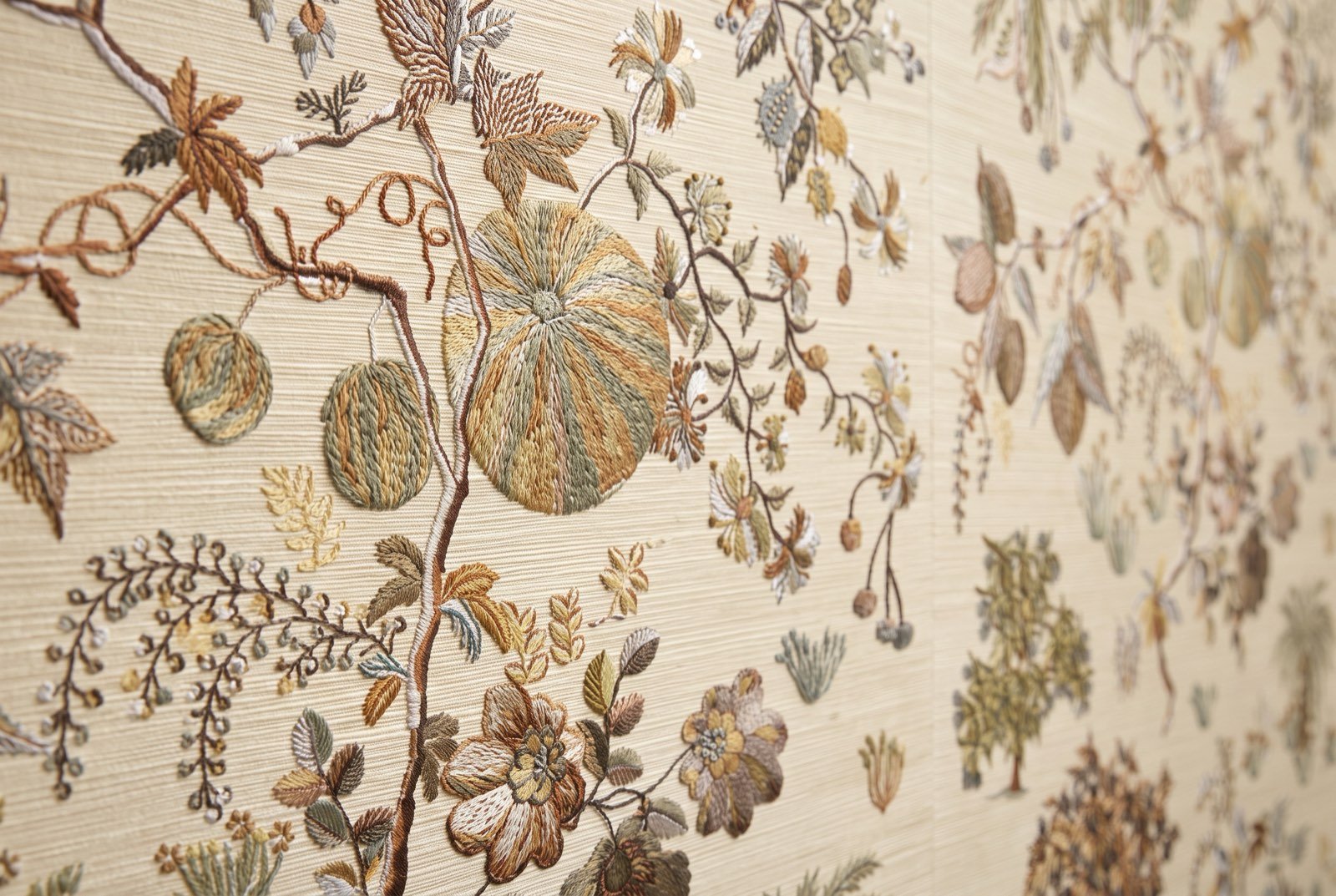 02
Embroidery on sisal
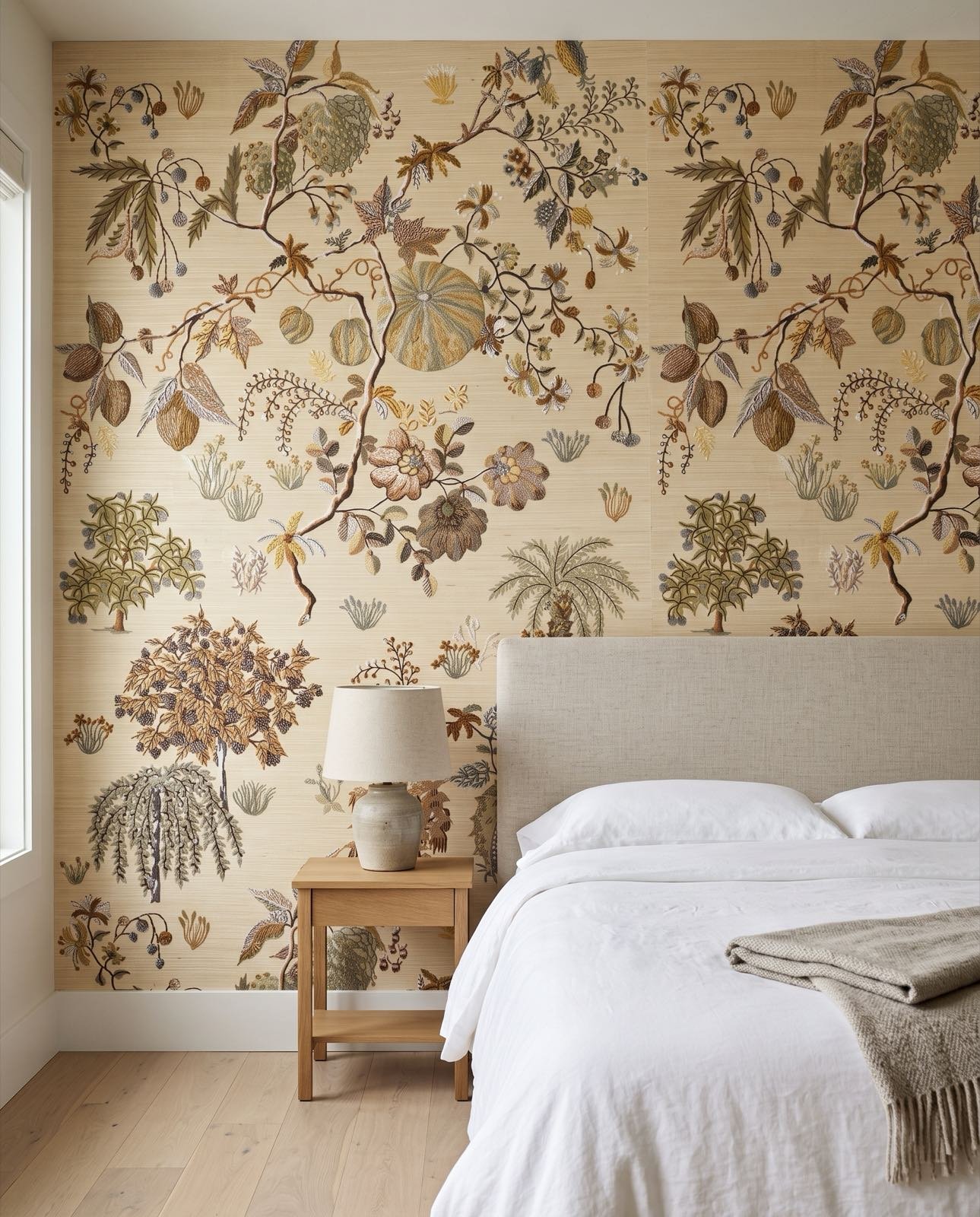
Embroidered, then laminated to a non-woven backing. An 86 cm by 7.20 m roll (33 in by 24 ft), free match. Paste the wall. Cleaned gently with a vacuum cleaner.
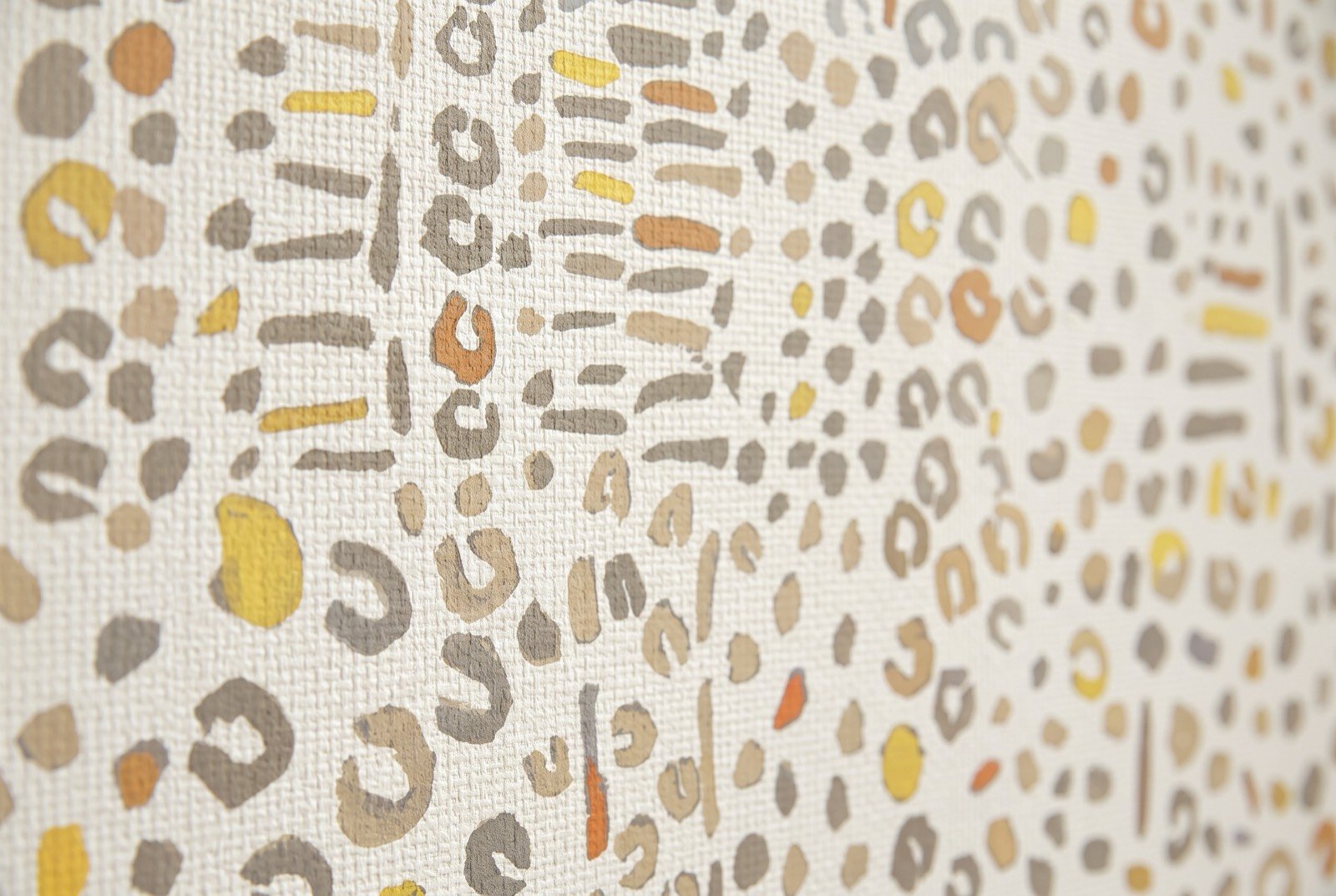 03
Embossed vinyl
Digital printing on vinyl with a natté emboss, on a non-woven backing. 68 cm (26 in) wide, by the metre or yard, on a one-third offset. Paste the wall. Washable.
Two more constructions complete the picture. The hand screen printed papers, Toile de Nantes among them, are on a paper backing: the paper is pasted, folded, and hung after a soaking time of two minutes at most, and the house's guide for untrimmed paper has the drops overlapped on their trim and join marks and double-cut on the wall. The panoramics arrive as one roll that holds the whole scene: L'Arbre aux Oiseaux is 200 cm by 300 cm (78 in by 118 in), in two lengths, and is sold as a complete artwork. Where the house marks a panel effect, on silk, straw, and fabric, its guide says the joints between the drops remain visible and that the effect belongs to the nature of the article.
What they are known for
Six from one catalogue. The technical sheet on the product page decides the paste, the seam, and the care.
| Line | Material | Backing | Rooms | At the wall |
|---|---|---|---|---|
| Dessins Signatures | Toile de Nantes, hand screen printed: a stipple or ikat toile of the second half of the eighteenth century. | Paper. Paste the paper. | Dining rooms, studies, bedrooms | Not trimmed. Straight repeat, 42 cm (17 in). A 78 cm by 3.66 m roll (30 in by 12 ft). Soaking time: two minutes at most. |
| Braquenié, Grands Classiques | Le Grand Corail, a hand screen printed paper. | Paper. | Dining rooms, libraries | Not trimmed. Half drop, 122 cm (49 in). A 68 cm by 4.57 m roll (26 in by 15 ft). Trim and join marks, double-cut. |
| Braquenié, Anniversaire 1823 - 2023 | L'Arbre aux Oiseaux, a panoramic. The original kalemkar is kept in the house's archives. | Non-woven, flame retardant. Paste the wall. | Sitting rooms, entry halls, stair halls | Sold as a complete artwork: 200 cm by 300 cm (78 in by 118 in), in two lengths of 100 cm (39 in). Washable. |
| Jardin à la Française | Le Verger Enchanté, an embroidered wallcovering on sisal, conceived by Sarah Bréassier. | Non-woven. Paste the wall. | Bedrooms, dressing rooms | Free match on a 120 cm (48 in) repeat. An 86 cm by 7.20 m roll (33 in by 24 ft). Panel effect. Cleaned gently with a vacuum cleaner. |
| Collection Sequana | Tramore, a linen and wool weave, woven in the house's own workshops in northern France. | Non-woven. Paste the wall. | Studies, libraries, primary bedrooms | Free match. 135 cm (53 in) wide, by the metre or yard. Panel effect: the joints between the drops stay visible. |
| Artist: Isabelle de Borchgrave | Savane, digital printing on vinyl with a natté embossing. | Non-woven. Paste the wall. | Entry halls, family rooms | Offset repeat of one third, 106 cm (42 in). 68 cm (26 in) wide, by the metre or yard. Washable. |
Reading the reference
A Pierre Frey wallpaper reference is eight characters: two letters, a three-digit design number, and a three-digit colourway number. The house publishes no key, so what follows is observation, read from its product pages and its sitemap on 30 September 2026. FP161001 is prefix FP, design 161, colourway 001: Toile de Nantes in Bleu Ancien. Colourways count up from 001 within a design, so FP161002 is the same toile in Rose Ancien, and Tramore runs from FP295001 to FP295006.
The prefix follows the brand. FP sits on Pierre Frey wallpapers and FQ on its newest textures, BP on Braquenié, and LP on Le Manach; the one Boussac sheet read carries a W and a four-digit design number. The first five characters name the design, and the house uses that short form itself when it points to a coordinate, BP375. A letter can also stand in the sixth place, as in BP209A02, and the house does not say what it marks. That is why we ask for the full reference, not the pattern name, before a quantity is derived.
If you are new to the house
Designers and their clients who want French decoration with an archive behind it. The house creates, edits, and manufactures fabrics, wallpapers, rugs, and furniture, and sells under six names: Pierre Frey, Braquenié, Fadini Borghi, Boussac, Le Manach, and Thorp of London. By its own account it works with design professionals in more than 80 countries.
At the house's two professional showrooms in Paris, and in the United States at its own showrooms, which its store locator lists in New York, Chicago, Atlanta, and Boston among other cities. Elsewhere it is shown through multi-line trade showrooms, Denver among them. See a sample at full scale before the order: a large repeat reads larger on a wall than on a swatch.
Through the trade. The house's conditions of sale state that its products are sold only to professional customers it selects, so a homeowner orders through a designer. The unit follows the reference: a roll, a length by the metre or yard, or a complete panoramic. Mancini does not sell or source it; send us the reference and our work begins when the goods arrive.
Ordered through a designer or a trade showroom: the same measurement, the same preparation, and the same crew.
The wall, before and after
Drag the line. The house's guides ask for a wall that is hard, smooth, clean, and dry.
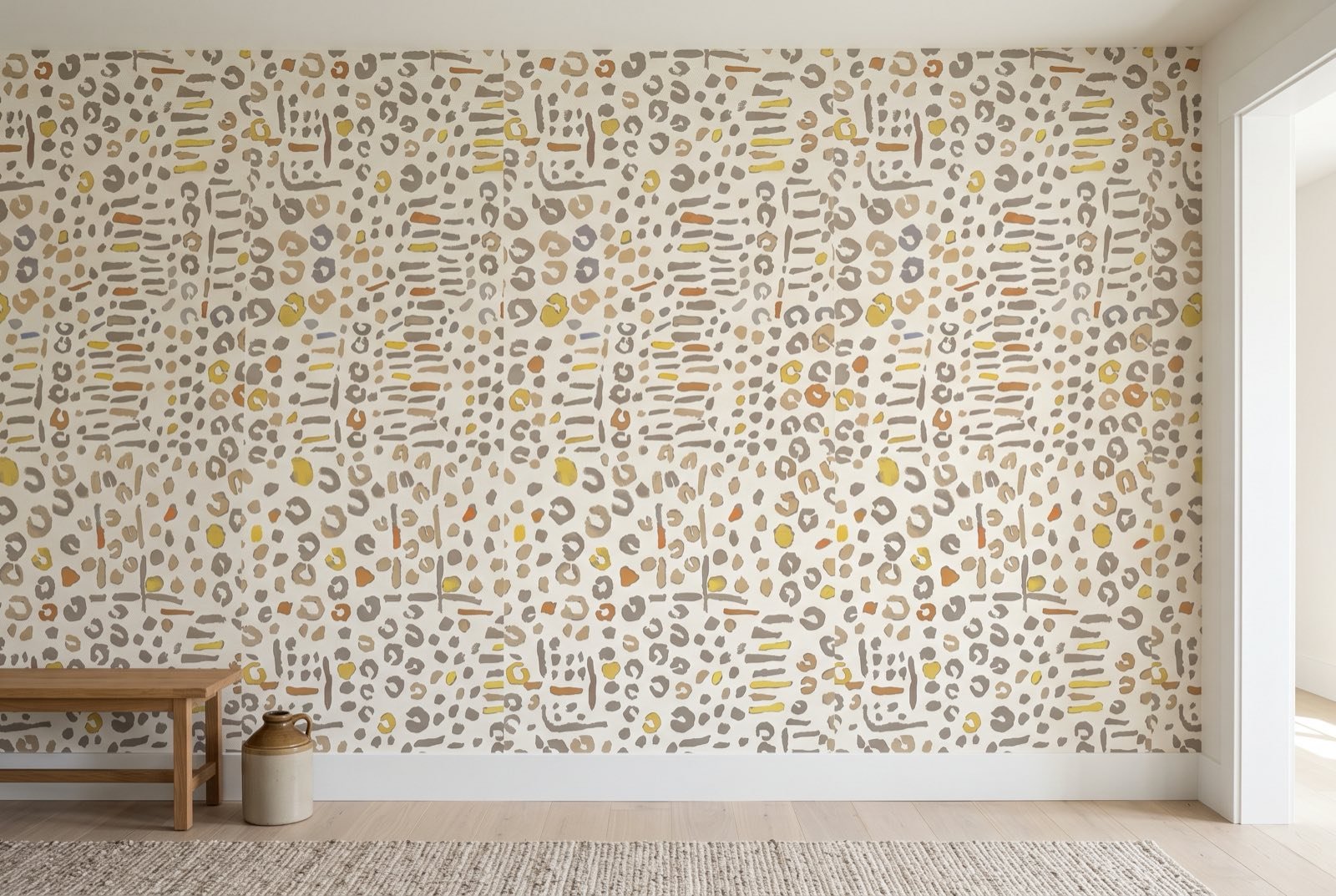
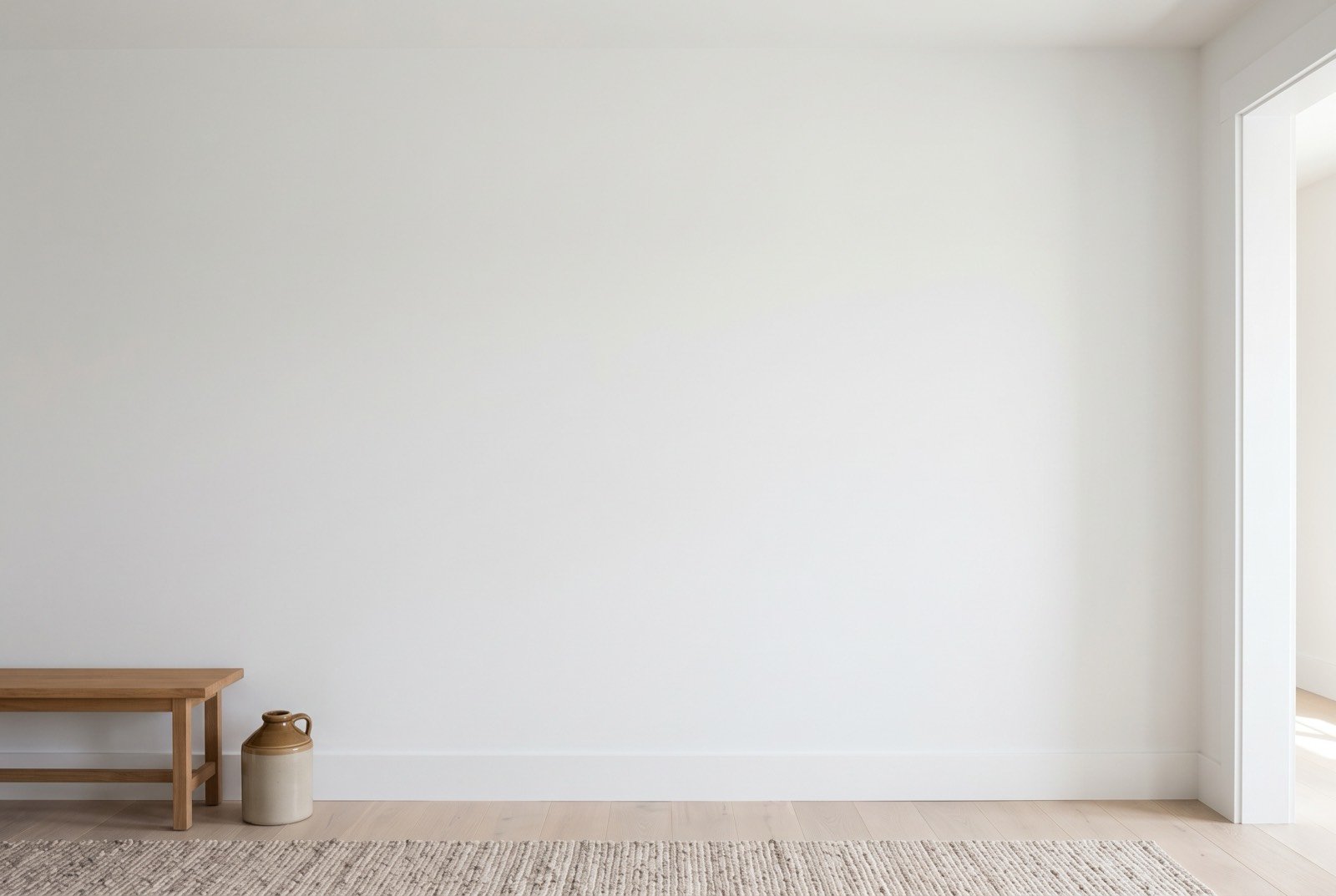
Savane in Dune, shown in an entry hall
Installed to their specification
Pierre Frey publishes an illustrated hanging guide for each construction and a technical sheet on every product page. These lines come from its product pages, its conditions of sale, and the four guides we have read: trimmed non-woven, pre-trimmed non-woven, untrimmed paper backing, and the pre-trimmed non-woven panoramic.
The line that decides most on a Pierre Frey job is the third drop. The house's guides state that no claim will be accepted after three drops have been hung, and its conditions of sale say the same of every wallcovering. So the inspection comes first: the batch number and the reference on every roll, the whole roll checked for defects, and the wall read again once the third drop is up. The wall itself arrives primed and sealed, and the crew confirms it before the first roll is opened.
The second is the method, which changes with the construction. A paper-backed print is pasted on the back and folded; a non-woven goes onto a pasted wall, with the paste kept light at the seam. Every drop is marked on the back towards the ceiling and numbered, and the guides recommend starting from the centre of the wall. The quantity on our proposal comes from the measurement, the repeat, and the sale unit, line by line, with the metric figure and the imperial figure side by side.
The Mancini standard
Whichever house is on the roll, the work follows one sequence. It is the reason the wall reads as the designer drew it.
A member of our team walks the space and measures every wall. Fractions of an inch round up, heights round up to the next half-foot, and each wall gains three inches per side.
The roll count comes from the measurement, the repeat, and the roll's yield. The written proposal shows the arithmetic, in metric and imperial.
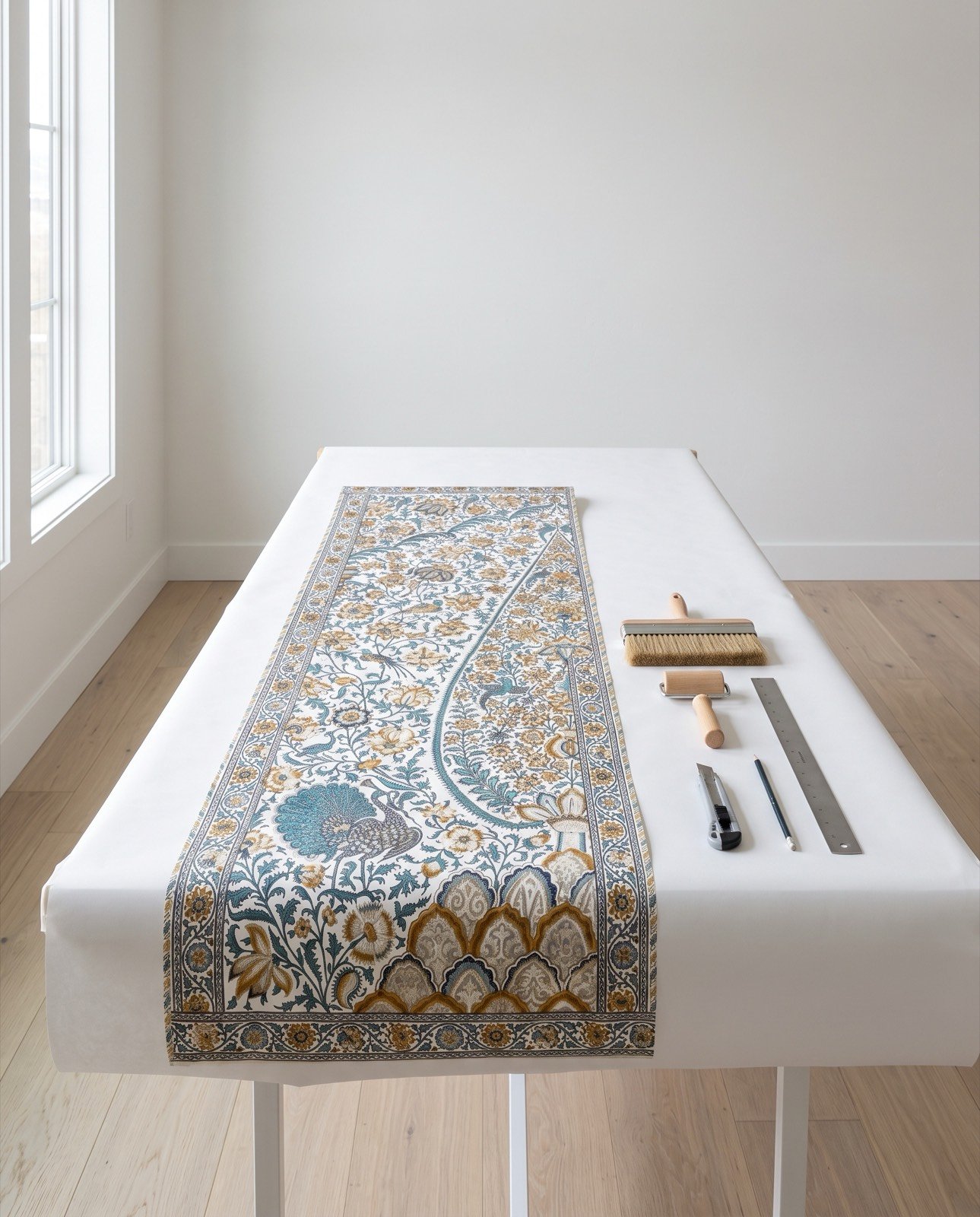
The hanging guide, the technical sheet, and the batch number are read before the first cut. One room, one batch.
Four crews and twelve trained installers. The match is set at the table, every seam is made as the house's guide for that construction directs, and the rolls rest in the room before anything is cut.
For designers who specify it
A signature toile for a dining room, a panoramic for a sitting room, an embroidered sisal behind a bed: the specification belongs to the designer or the homeowner, and the installation follows the house's guides.
Pierre Frey sells only to the professional customers it selects, so the order is the designer's. Our part is the same on every project: a measurement in person, a written proposal with the quantity shown, and a crew that reads the hanging guide before the first cut. We name a designer here only with their written consent.
Our work
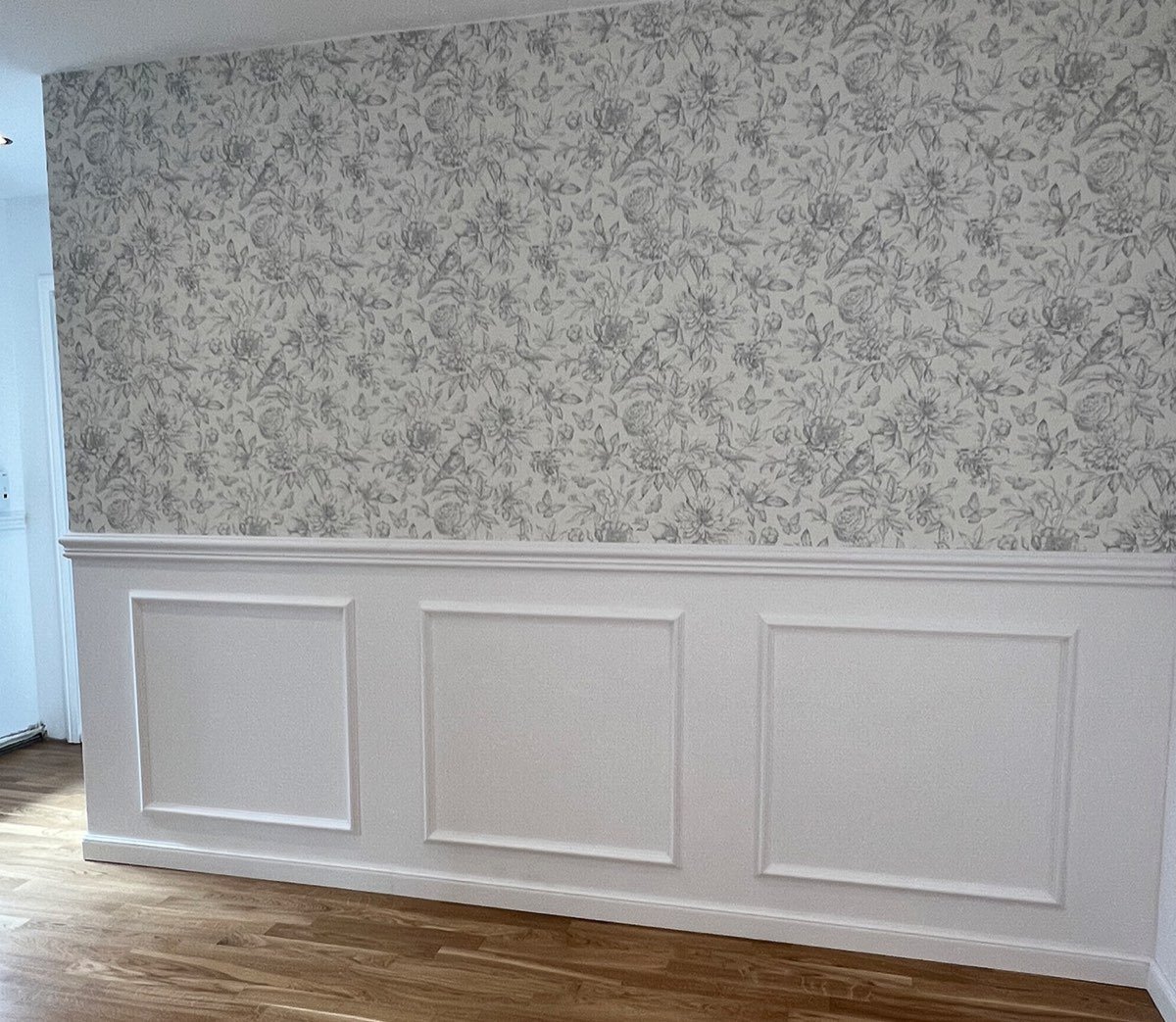
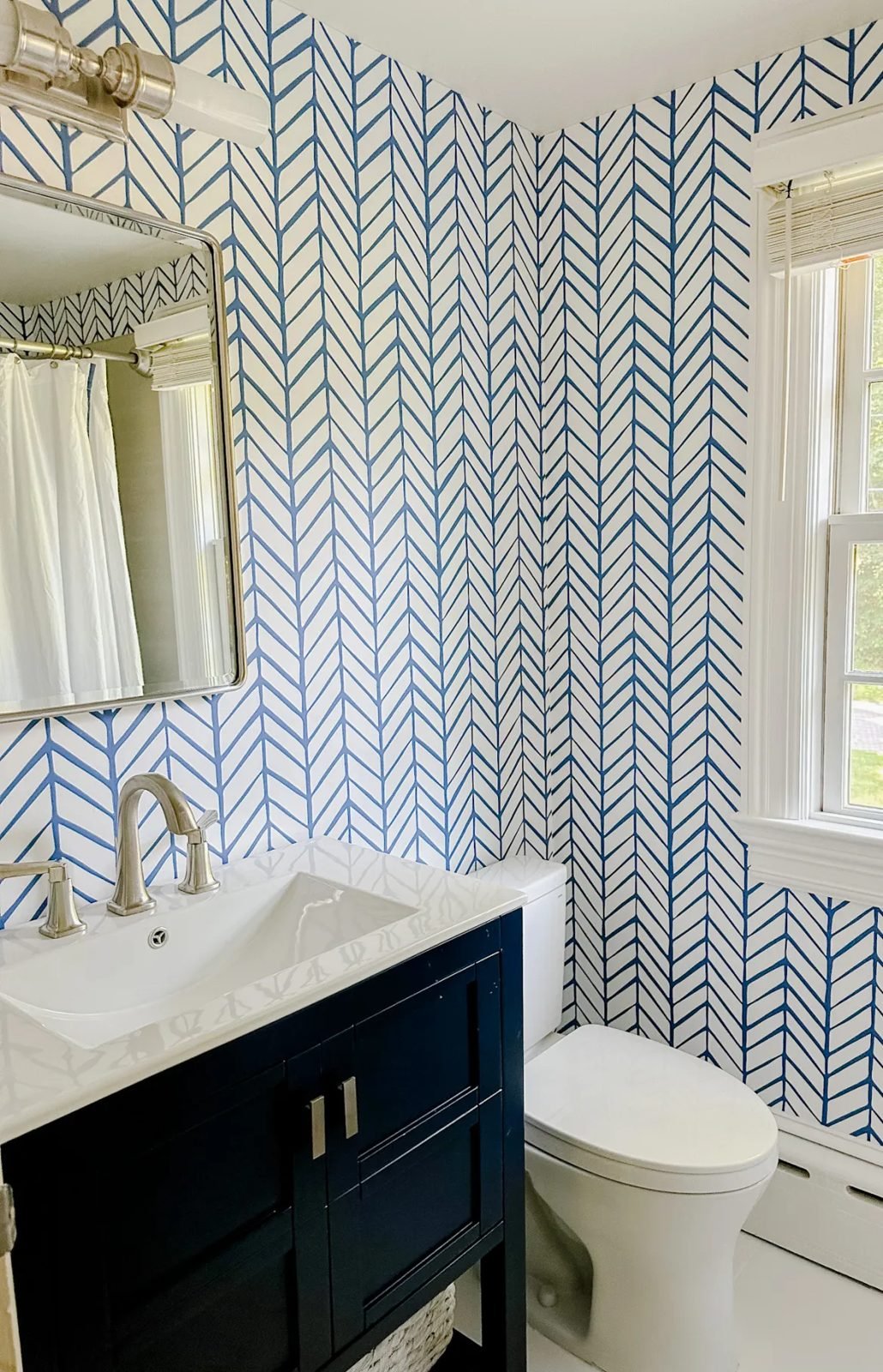
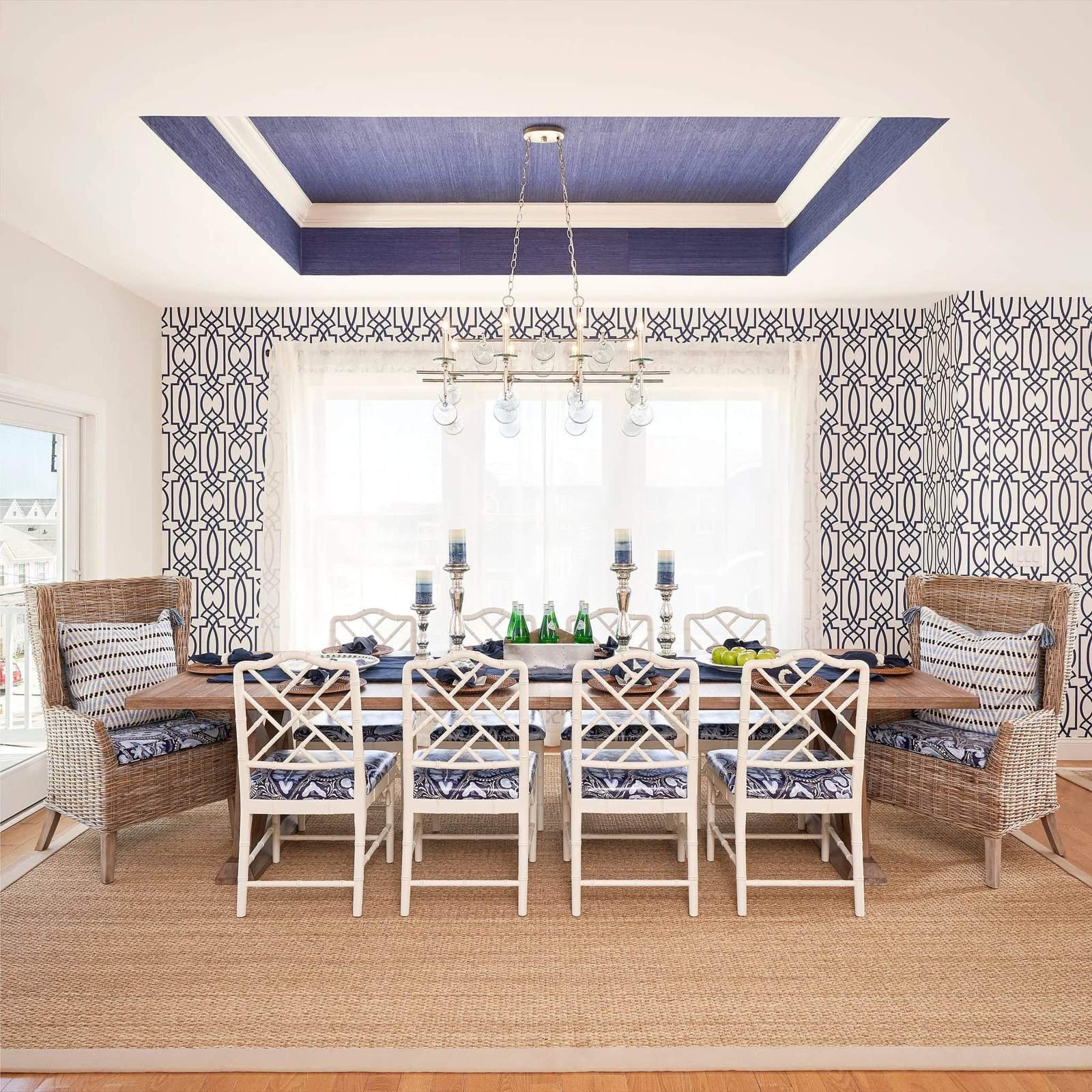
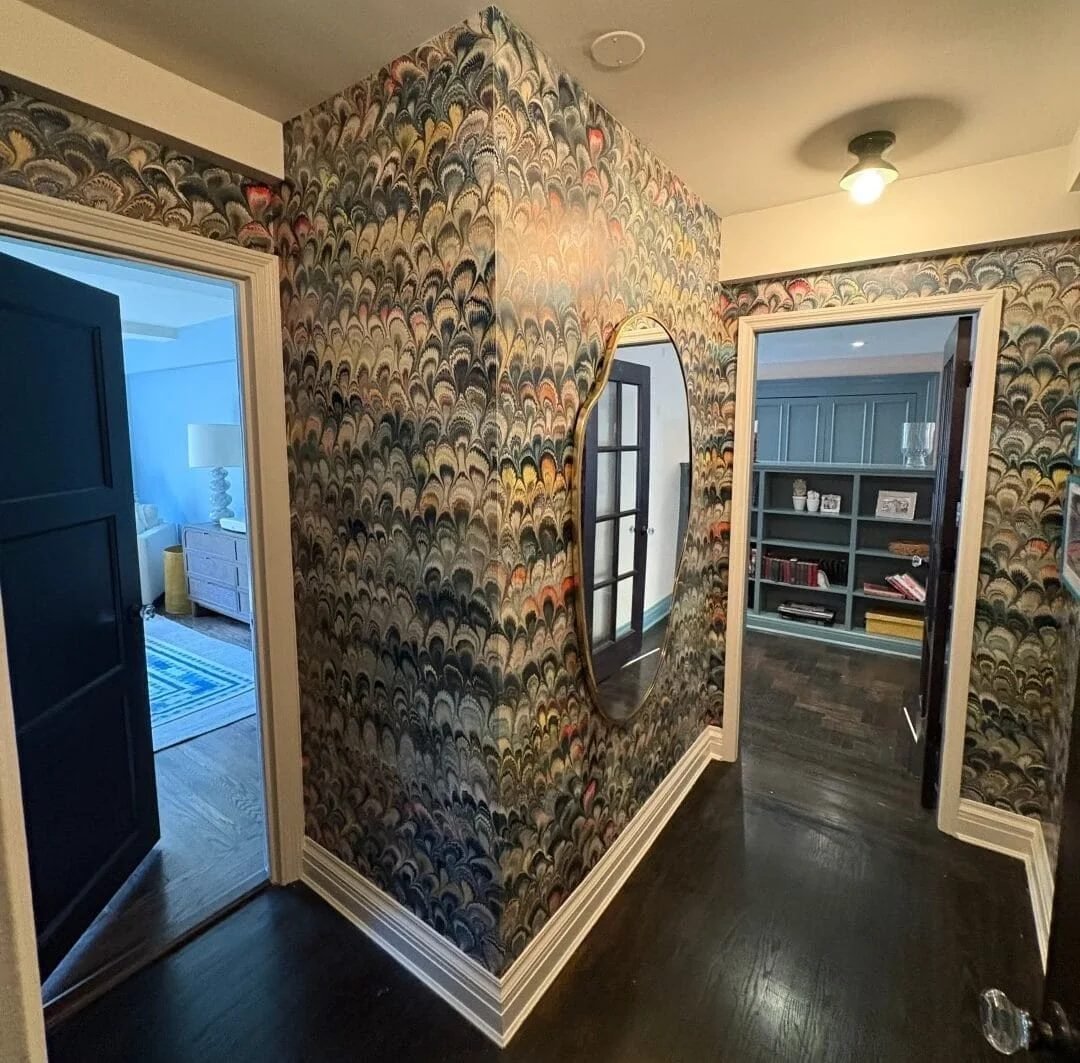
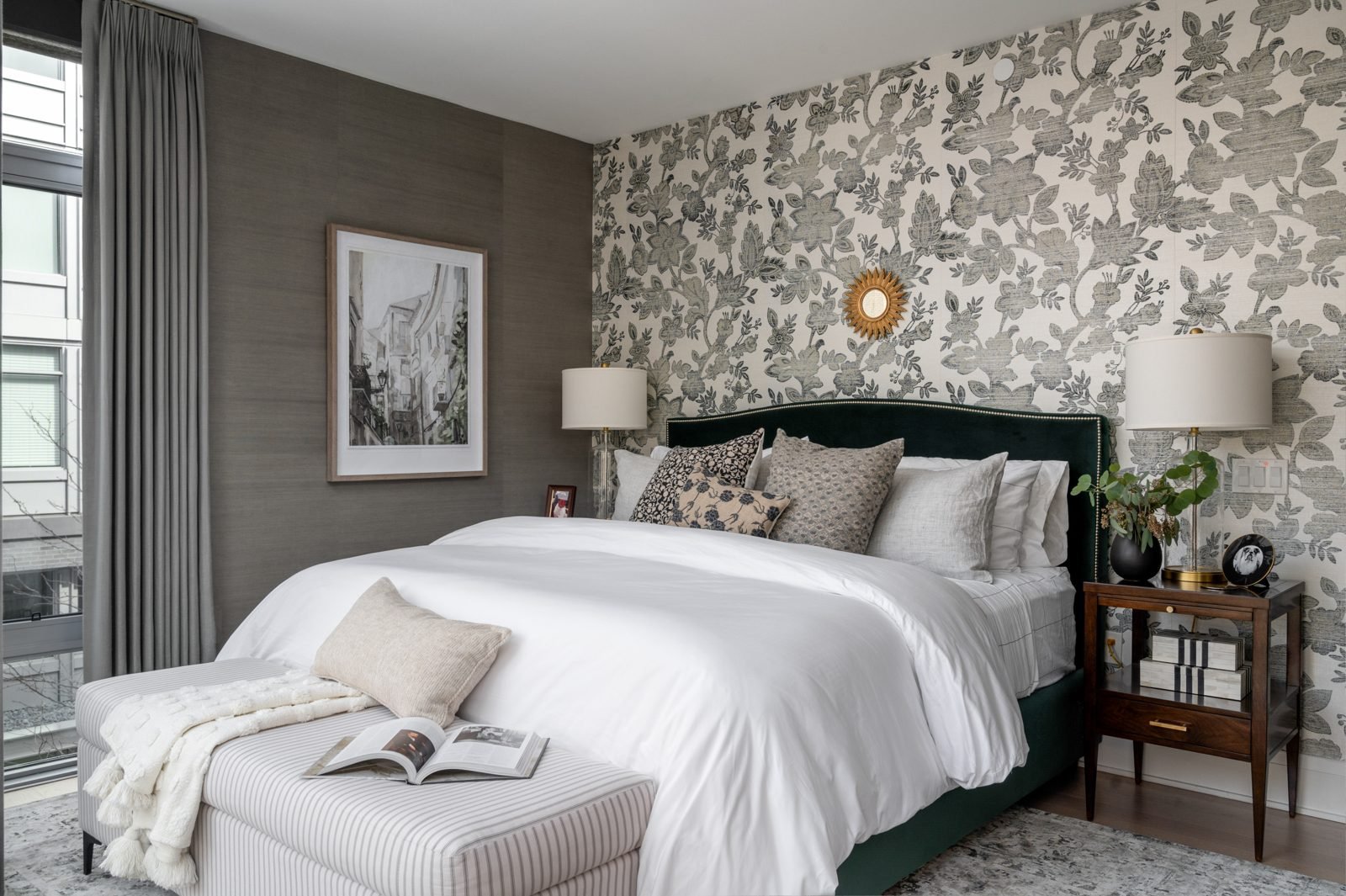
A signature toile in a dining room, a panoramic in a sitting room, an embroidered sisal behind a bed: whichever Pierre Frey reference is on the order, it is hung to the guide the house publishes for its construction.
Materials we install from Pierre Frey
The construction on the technical sheet tells us which set of rules to bring. Each of these pages goes deeper on the material itself.
Toile de Nantes and the hand screen printed papers drawn from the archive. Pasted on the back, with a soaking time of two minutes at most.
Material pageL'Arbre aux Oiseaux and the panoramics, each packed as one roll that holds the whole scene. The drops are numbered before the first is hung.
Material pageTramore and the paper-backed fabrics. The house marks a panel effect: the joints between the drops stay visible.
Material pageThe straws and the embroidered sisal, Le Verger Enchanté among them. The house notes that a natural yarn varies from batch to batch.
Material pageSavane and the embossed vinyls, on a non-woven backing. Pasted to the wall, and marked washable on the technical sheet.
Material pageThe wall the house's guides assume: hard, smooth, clean, dry, and normally absorbent.
Material pageDesign house and manufacturer names referenced on this page are the property of their respective owners. They identify materials we install and completed project history. Mancini Wallpapers holds no partnership, certification, or endorsement from any house named, and installs every product to the instructions its manufacturer publishes.


