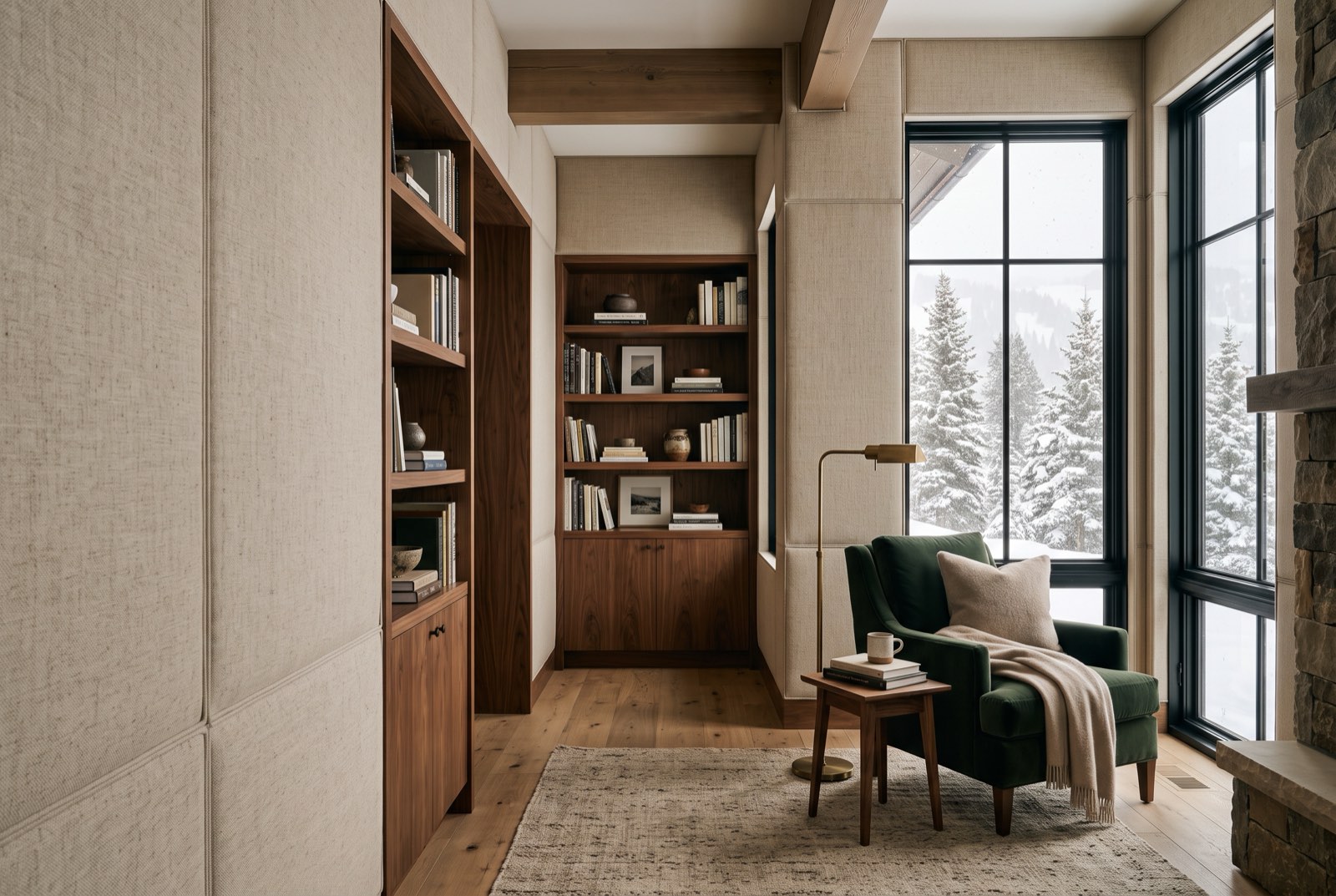
Upholstered oatmeal linen wall panels between walnut shelves in a library, Park City, Utah
Park CityUtahTextile

Material · Woven fabric and textile

Fabric and Textile Wallcovering Installation in Park City and Across Utah

Linen, wool, cotton, and woven textile wallcoverings, backed or upholstered, installed to the specification each house publishes. Railroaded where the width allows. Seams double-cut with fresh blades. Installation-only, headquartered in Park City.

What textile is

Depth and quiet that paper cannot give a room

Textile wallcoverings are woven fabric, linen, wool, cotton, or a blend, laminated to a paper or acrylic backing, or stretched over padding on a perimeter track as an upholstered wall. Fabric brings depth, softness, and sound absorption that paper cannot.

It also stretches, frays on a dull blade, and shows paste through an open weave. A textile installed as if it were paper telegraphs every shortcut: a seam that gaps as the fabric relaxes, a pattern that drifts across the room, a stain where adhesive reached the face.

Textile is specified across Park City and the Heber Valley for libraries, studies, media rooms, and primary suites, and in hospitality work along the Deer Valley corridor.
LinenWoolCottonBoucléVelvetSilk blendHemp clothPerformance weaves
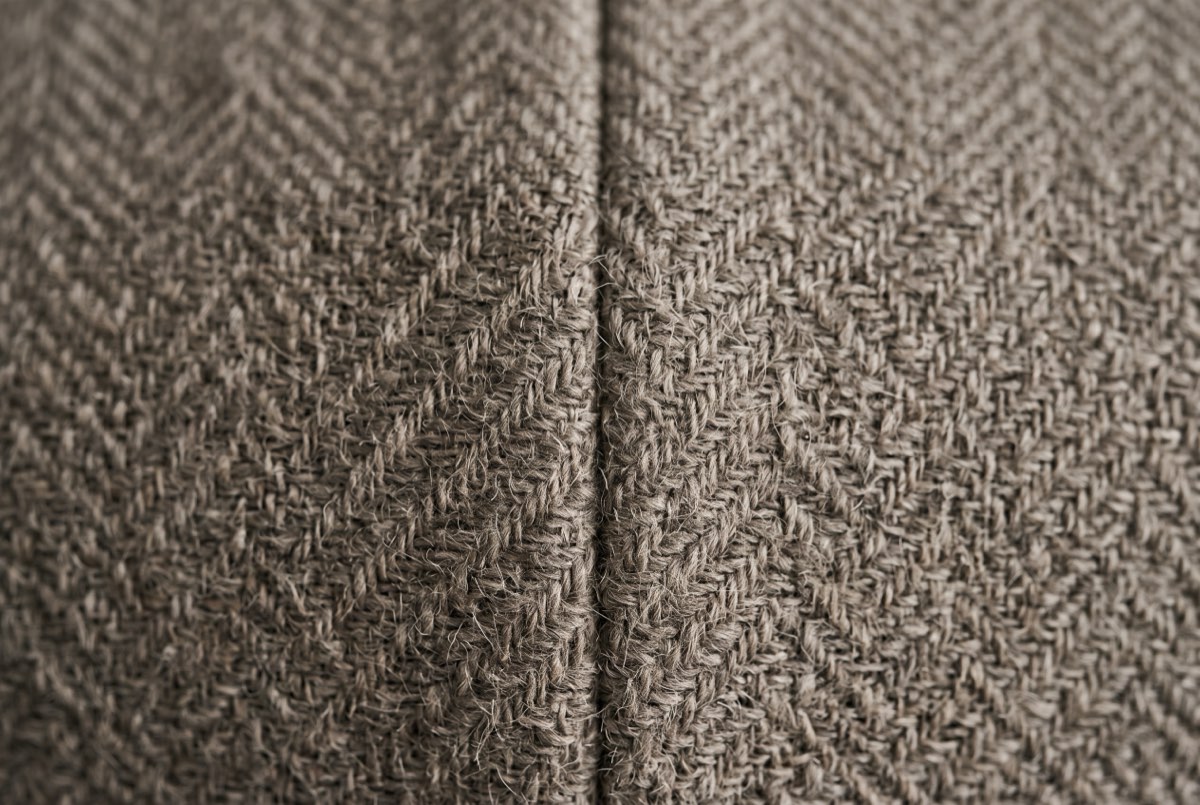
Woven wool textile wallcovering weave in raking light with a butted seam, Park City, Utah

Two systems

A wallcovering with a woven face, or a wall that is upholstered

Fabric arrives at the wall one of two ways. A backed textile is a wallcovering: the weave is laminated to paper or acrylic, it is pasted at the wall, and its seams are cut and closed like any other wallcovering with a woven face. It gives depth and warmth, and a little quiet.

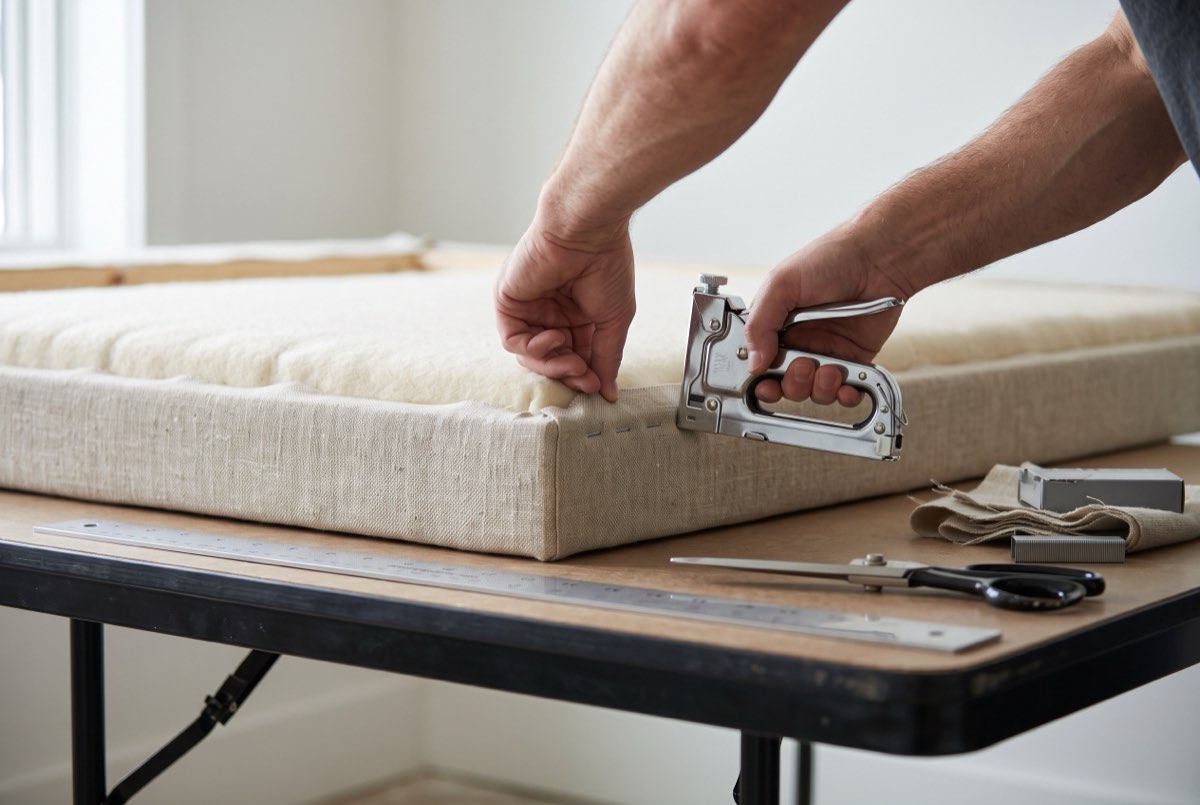
An upholstered wall is joinery. A track is fixed around the perimeter of each panel, acoustic padding fills it, and the fabric is stretched to tension and tucked into the track. Nothing is glued. It gives the room depth and real sound absorption, and it comes off in one piece when the fabric is changed.

  • Backed textiles: typically 54 inches wide, sold by the yard; upholstered walls use decorator fabric of any width
  • Acrylic backing resists the paste bleeding through an open weave; paper backing is lighter and used on tighter weaves
  • Upholstered panels are divided by shadow gaps, welts, or a fabric-wrapped batten, planned on the elevation before the track goes up
Two textile wall systems in cross-section: paper-backed fabric pasted to the wall, and fabric upholstered over padding on a track A · Backed textile Woven face · paper or acrylic backingPaste on the wall · never on the fabric B · Upholstered wall Fabric stretched over acoustic paddingHeld in a perimeter track · nothing glued A backed textile is a wallcovering: it is pasted, seamed, and read like paper with a woven face. An upholstered wall is joinery: a track on the perimeter, padding inside it, fabric stretched to tension and tucked. Both are specified for depth and quiet. Only one absorbs sound. The room decides which.
A · Backed textile Woven face · paper or acrylic backingPaste on the wall · never on the fabric B · Upholstered wall Fabric stretched over acoustic paddingHeld in a perimeter track · nothing glued A is a wallcovering: pasted and seamed.B is joinery: tracked, padded, tensioned.Both give depth. Only one absorbs sound.The room decides which.
Cross-sections of a backed textile pasted to the wall and a fabric upholstered over padding on a track

Fabric guide

Eight fabrics, eight behaviours

The word textile covers very different materials. Each one asks something different of the wall and the crew.

FabricTexture and readStretch and stabilitySeam visibilityBest roomsAt the wall
LinenDry, slubbed, matte. Reads tailored.Stable when backed; relaxes when upholstered.Low when railroadedLibraries, studies, dining rooms, bedroomsRailroaded where the slub runs true. Double-cut seams. Paste on the wall only.
WoolSoft, hairy, deep colour. Reads warm.Stable; heavy on the wall.LowStudies, media rooms, hotel loungesNap direction kept consistent. Seams double-cut. Acclimated on site.
CottonCrisp, even, takes print well.Shrinks with moisture; backed only.Moderate on printsBedrooms, dressing rooms, children's roomsPattern registered across the room. Backed cotton pasted at the wall, never wetted.
BoucléLooped, dimensional, high texture.Stable when backed; loops catch on a dull blade.LowHallways, feature walls, bedroomsFresh blade every cut. Loops bridged at the seam, not pressed.
VelvetDense pile, deep sheen. Reads formal.Pile shades by direction; crushes under pressure.LowPowder rooms, bars, dressing roomsPile direction consistent. Never rolled. Upholstered where possible.
Silk blendSilk sheen with a linen or cotton hand.More stable than pure silk.LowDining rooms, primary suitesTreated as silk: Level 5 wall, paste on the wall, gloves.
Hemp and jute clothCoarse, open, organic.Open weave shows paste.ModerateMountain-modern interiors, entriesAcrylic backing required. Paste held back from the edge.
Performance weavesPolyester or solution-dyed blends; cleanable.Very stable; UV-rated lines available.LowFamily rooms, corridors, hospitalityInstalled as a backed textile; the only fabric for high-contact walls.

Linen

Texture and read
Dry, slubbed, matte. Reads tailored.
Stretch and stability
Stable when backed; relaxes when upholstered.
Seam visibility
Low when railroaded
Best rooms
Libraries, studies, dining rooms, bedrooms
At the wall
Railroaded where the slub runs true. Double-cut seams. Paste on the wall only.

Wool

Texture and read
Soft, hairy, deep colour. Reads warm.
Stretch and stability
Stable; heavy on the wall.
Seam visibility
Low
Best rooms
Studies, media rooms, hotel lounges
At the wall
Nap direction kept consistent. Seams double-cut. Acclimated on site.

Cotton

Texture and read
Crisp, even, takes print well.
Stretch and stability
Shrinks with moisture; backed only.
Seam visibility
Moderate on prints
Best rooms
Bedrooms, dressing rooms, children's rooms
At the wall
Pattern registered across the room. Backed cotton pasted at the wall, never wetted.

Bouclé

Texture and read
Looped, dimensional, high texture.
Stretch and stability
Stable when backed; loops catch on a dull blade.
Seam visibility
Low
Best rooms
Hallways, feature walls, bedrooms
At the wall
Fresh blade every cut. Loops bridged at the seam, not pressed.

Velvet

Texture and read
Dense pile, deep sheen. Reads formal.
Stretch and stability
Pile shades by direction; crushes under pressure.
Seam visibility
Low
Best rooms
Powder rooms, bars, dressing rooms
At the wall
Pile direction consistent. Never rolled. Upholstered where possible.

Silk blend

Texture and read
Silk sheen with a linen or cotton hand.
Stretch and stability
More stable than pure silk.
Seam visibility
Low
Best rooms
Dining rooms, primary suites
At the wall
Treated as silk: Level 5 wall, paste on the wall, gloves.

Hemp and jute cloth

Texture and read
Coarse, open, organic.
Stretch and stability
Open weave shows paste.
Seam visibility
Moderate
Best rooms
Mountain-modern interiors, entries
At the wall
Acrylic backing required. Paste held back from the edge.

Performance weaves

Texture and read
Polyester or solution-dyed blends; cleanable.
Stretch and stability
Very stable; UV-rated lines available.
Seam visibility
Low
Best rooms
Family rooms, corridors, hospitality
At the wall
Installed as a backed textile; the only fabric for high-contact walls.

Where textile performs

The right rooms, and the wrong ones

Where it belongs

  • Libraries, studies, and home offices
  • Media and theatre rooms, upholstered
  • Primary suites and headboard walls
  • Dining rooms above a wainscot
  • Corridors and lounges in hospitality work
  • Conference rooms where sound carries

Where it does not

  • Baths with a shower or steam
  • Kitchens, behind a range or a sink
  • Walls in direct, sustained sun
  • Unsealed or textured substrates
  • High-contact family walls, unless a performance weave
  • Anywhere the wall has not been made flat first

What textile demands at the wall

Five disciplines before a fabric wall reads as one

The material is correct more often than the installation. These are the steps that close the gap.

01

Railroading

Where the width allows and the weave permits, the fabric is turned sideways and run horizontally, so a wall below nine feet has no vertical seam at all.

02

Paste to the wall only

Adhesive goes on the wall, never on the fabric, and is held back from the edge so nothing reaches the face through an open weave.

03

Double-cut seams

Where seams must fall, both edges are made in one pass through both layers with a fresh blade, so they meet without a gap or an overlap.

04

Tracked, padded, tensioned

Upholstered walls are built on a perimeter track over acoustic padding and stretched to an even tension in both directions before the edge is tucked.

05

Registration planned

On printed and patterned textiles, the pattern is planned across the whole room on the elevation, so the repeat lands where the eye expects it.

Railroading

One wall, two ways: four seams or none

Fabric is woven wide, typically fifty-four inches, and a wall in most rooms is under nine feet tall. Turn the roll ninety degrees and the width of the fabric becomes the height of the wall. That is railroading, and on a plain woven it removes every vertical seam from the room.

Whether a fabric may be railroaded is decided at the measurement, not at the wall. The weave direction, the slub, the nap, the pattern, and the house's instruction all have a say. Plain linens and wools usually can. Most prints and any directional weave cannot, and those are hung in drops with the seams planned.

  • Railroaded runs are cut to length on a clean table and carried up as one piece
  • Where a wall exceeds the fabric's width, the horizontal seam is placed at a chair rail or a picture rail
  • Direction is recorded on the drawing so a future repair runs the same way
The same wall installed two ways: fabric hung in vertical drops with seams, and fabric railroaded horizontally with none Hung in drops · 4 seams 54-inch fabric, 20-foot wall: five vertical widths Railroaded · 0 seams The same fabric turned sideways, one continuous run below nine feet Railroading turns the roll ninety degrees so the width of the fabric becomes the height of the wall. Below the fabric's width, the wall has no vertical seam at all. Decided at the measurement: the weave direction, the pattern, and the house's instruction say whether a fabric may be railroaded. Many plain wovens can. Most prints cannot.
Hung in drops · 4 seams 54-inch fabric, 20-foot wall: five widths Railroaded · 0 seams The same fabric turned sideways: one run Below the fabric's width, no vertical seam.Plain wovens usually can. Most prints cannot.Decided at the measurement.
The same twenty-foot wall installed in vertical drops and railroaded in one continuous run

Textile and sound

Why the padding matters more than the fabric

A painted wall reflects almost everything it hears. A backed linen softens the room a little. An upholstered wall changes it: with half an inch of padding it absorbs the greater part of mid-frequency sound, and with an inch of acoustic batting it absorbs most of it. The fabric is the finish; the padding does the work.

That is why media rooms, home theatres, and offices in Park City are specified with upholstered walls rather than a backed textile. The depth of the padding, the density, and the fabric's openness are chosen together, and the room is quieter the day the last panel is tucked.

  • Padding depth and density selected for the room's use, not the fabric's look
  • Open weaves let sound reach the padding; dense weaves reflect more of it back
  • Ceilings are upholstered on the same track system where the design calls for it
Chart comparing the sound absorption of a painted wall, a backed textile, and two upholstered wall systems 1.00.750.500.250 Painted drywall≈ 0.05 Backed linen≈ 0.15 Upholstered, ½ in pad≈ 0.60 Upholstered, 1 in batting≈ 0.85 Noise reduction coefficient, the share of sound a surface absorbs rather than reflects, at mid frequencies. Indicative ranges from published test data for each system type; a specified product carries its own tested value. Padding does the work; the fabric is the finish.
Painted drywallBacked linenUpholstered, ½ in padUpholstered, 1 in batting ≈ 0.05 ≈ 0.15 ≈ 0.60 ≈ 0.85 00.51.0 Noise reduction coefficient: the shareof sound absorbed rather than reflected. Indicative ranges per system type; a specifiedproduct carries its own tested value.Padding does the work; the fabric is the finish.
Sound absorption of a painted wall, a backed textile, and two upholstered systems

The double cut

Two edges made with one blade, in one pass

A textile's edge is cut by the mill, and no mill edge is true enough to butt against another. So where a seam must fall, the second width is laid two inches over the first, a straightedge is set on the line, and a fresh blade makes one cut through both layers. Both offcuts come out. The two edges were made by the same blade in the same pass, and they meet exactly.

The blade is changed at every seam, because a dull edge drags the weave and frays it. The paste beneath the overlap is protected so the cut never scores the wall or reaches the adhesive. None of this is visible in the finished room, and all of it is why the seam stays closed as the fabric relaxes.

  • Seams placed off the sightline from the door and away from the centre line
  • Pattern on a printed textile is matched before the cut, then double-cut through the match
  • Fresh blade every seam; the used blades are counted off the site
Three steps of a double-cut seam: two widths overlapped, one cut through both layers, the two offcuts removed to leave a perfect butt joint 1 · Overlap2 · One cut through both3 · Offcuts out, seam closed Second width laid two inches over the first Straightedge, fresh blade, one pass through both layers Both offcuts lifted out; the edges meet exactly Textile edges are cut by the mill, and no two are true. A double cut makes both edges of the seam with the same blade in the same pass, so they meet without a gap and without an overlap. Fresh blade every seam: a dull blade drags the weave and frays the edge. The paste beneath is protected so the cut never marks the wall.
1 · Overlap Second width laid two inches over the first 2 · One cut through both Straightedge, fresh blade, one pass 3 · Offcuts out, seam closed Both edges made by the same blade: they meet exactly Fresh blade every seam. The paste beneathis protected so the cut never marks the wall.
The three steps of a double-cut seam on a backed textile

Living with textile

Care, lifespan, and what to expect at year ten

A fabric on the wall, treated as one.

Cleaning

Vacuum with the upholstery tool on low suction, in the direction of the weave. No water, no sprays. A dry mark is lifted with a soft brush; a wet spill is blotted, never rubbed. Performance weaves take the cleaning method the mill publishes.

Sun

Natural fibres soften under direct, sustained sun, wool and dark linens first. Sun exposure is read at the measurement. Where light is unavoidable, a UV-rated performance weave carries the look.

Contact

Backed linen and wool belong where hands and furniture do not meet the wall. In family rooms and corridors with traffic, a performance weave is the right specification; upholstered walls take chair backs better than backed textiles do.

Humidity

In a room with normal humidity and no steam, fabric is stable. Upholstered walls on a track are the most forgiving of seasonal swings, because nothing is glued.

Lifespan

A backed textile on a sealed wall serves a decade or more. An upholstered wall serves as long as the fabric does, and the fabric can be changed on the same track without touching the wall.

Repairs

Because direction, seam positions, and pattern start are recorded on the drawing, a damaged width can be matched and reset. Keep the surplus we leave with you, rolled and dry.

Why Mancini

The standard textile demands

01

Precision Craft

Railroaded where it can be. Double-cut where it must be. Tensioned by hand.

Fabric shows the hand that set it: a seam that stays closed, a pattern that lands, a panel that reads as one plane. The standard is measured in what you do not see.

02

Specification Discipline

Installed to the instructions each house publishes, width by width.

Every mill writes an installation specification for its textile: the backing, the paste, the seam method, whether it may be railroaded. We read it before the order and follow it at the wall. No shortcuts, no substitutions.

03

Responsive Capacity

Four active crews. Twelve trained installers. Scheduling measured in weeks.

Multi-crew capacity means a textile project moves on the designer's timeline. Most projects are on the calendar within weeks, not months.

Textile, installed
Across Park City, the Wasatch Back, and the Salt Lake Valley

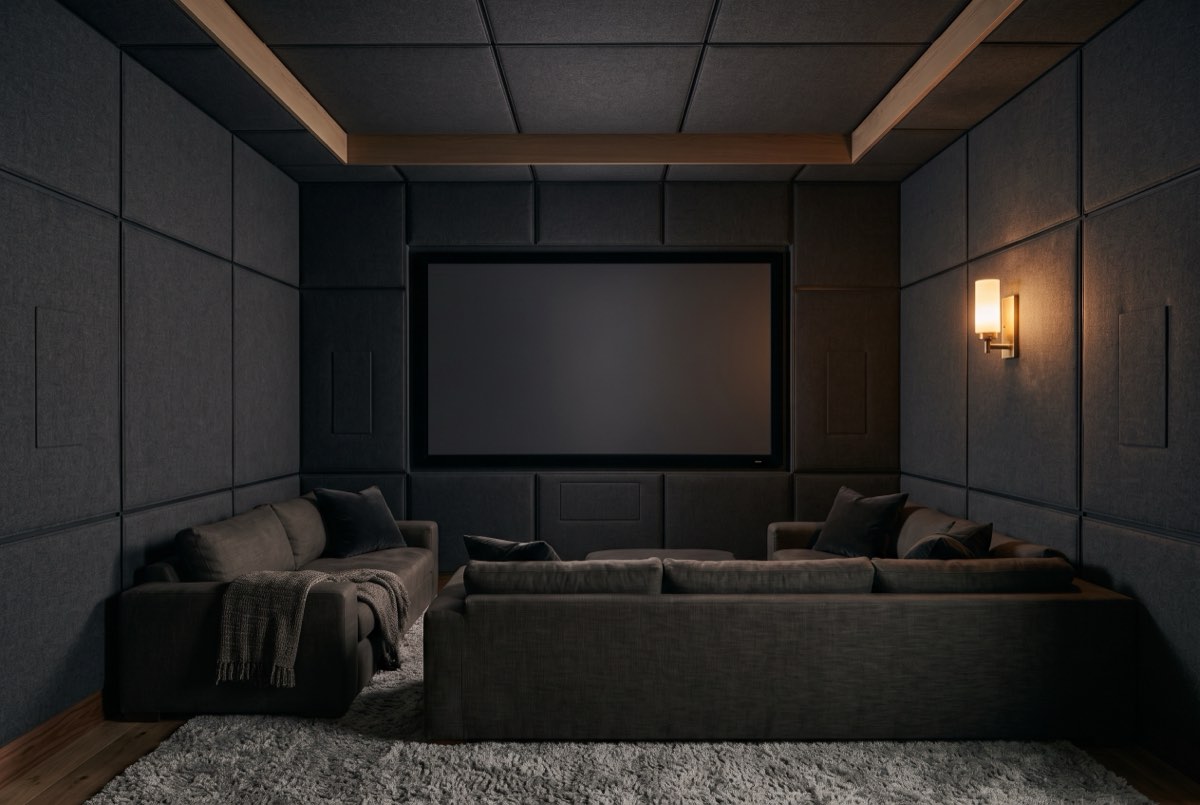
Charcoal wool upholstered acoustic walls and ceiling in a media room, Park City, Utah
Upholstered media room
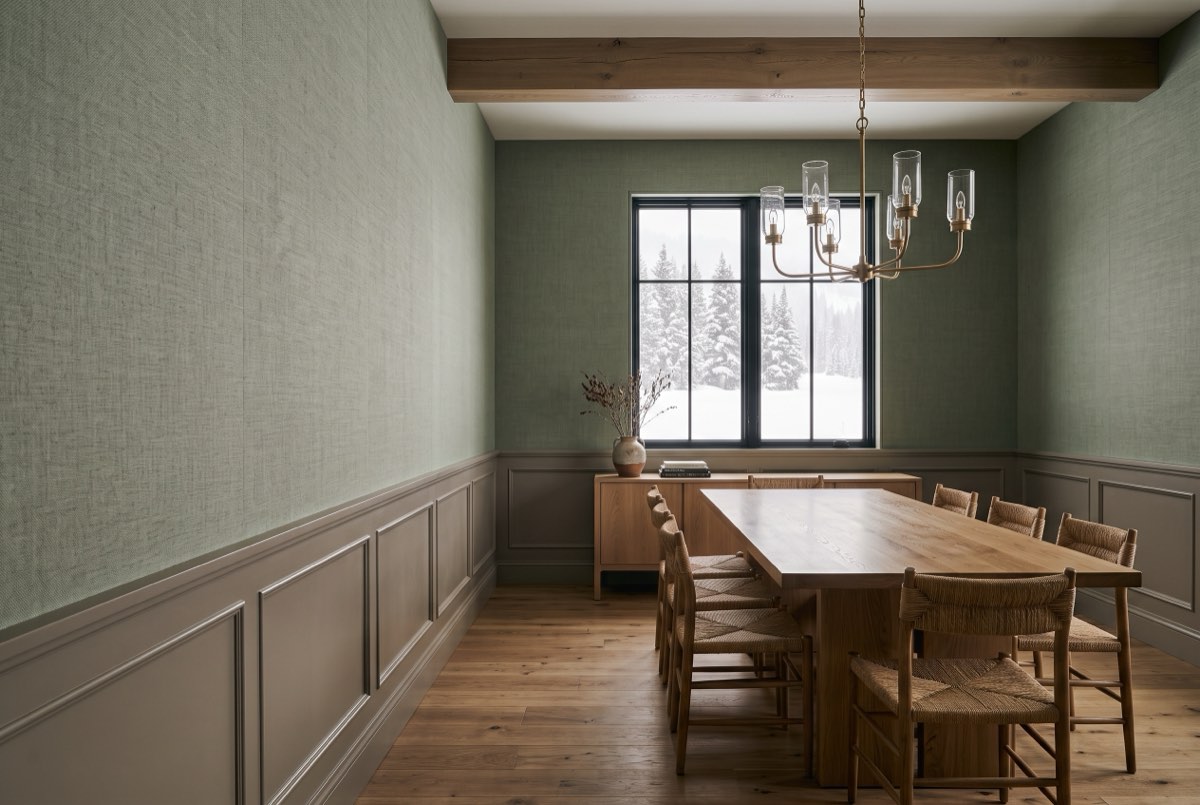
Sage linen textile wallcovering above a painted wainscot in a dining room, Heber Valley, Utah
Sage linen, dining room
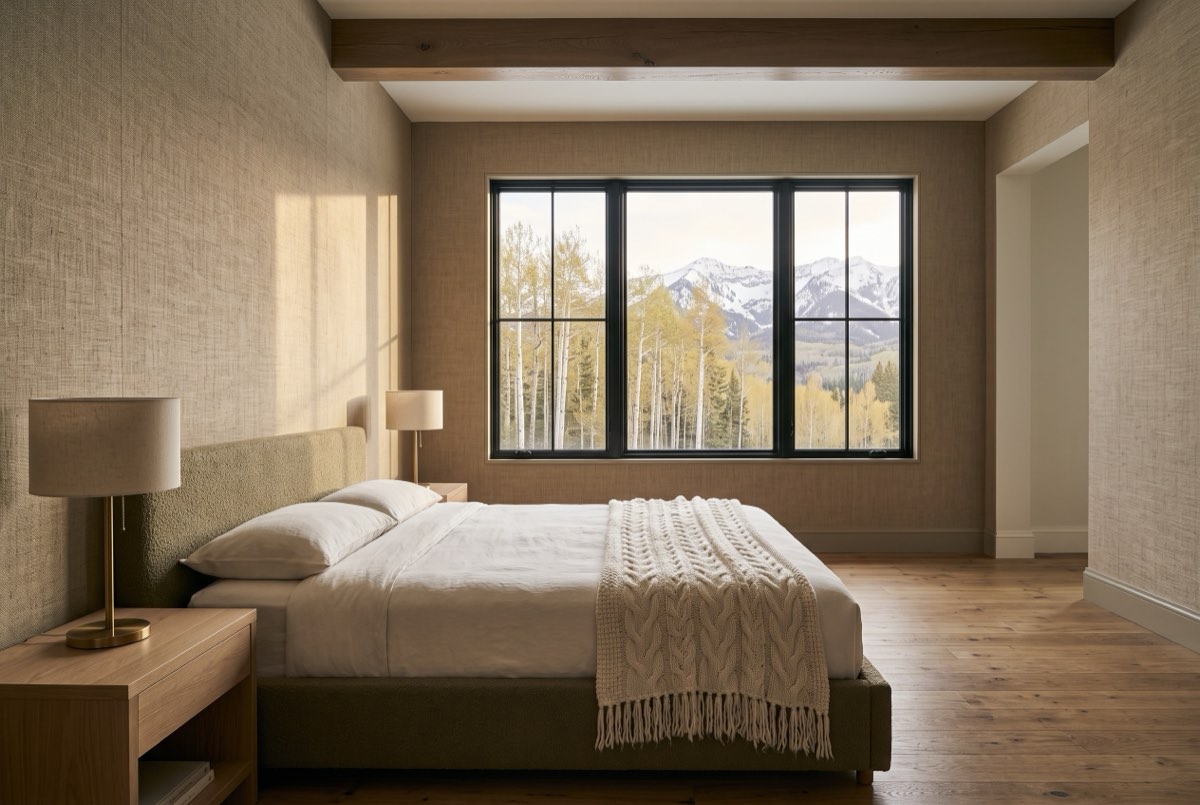
Belgian linen wallcovering across a primary bedroom headboard wall, Park City, Utah
Belgian linen, headboard wall
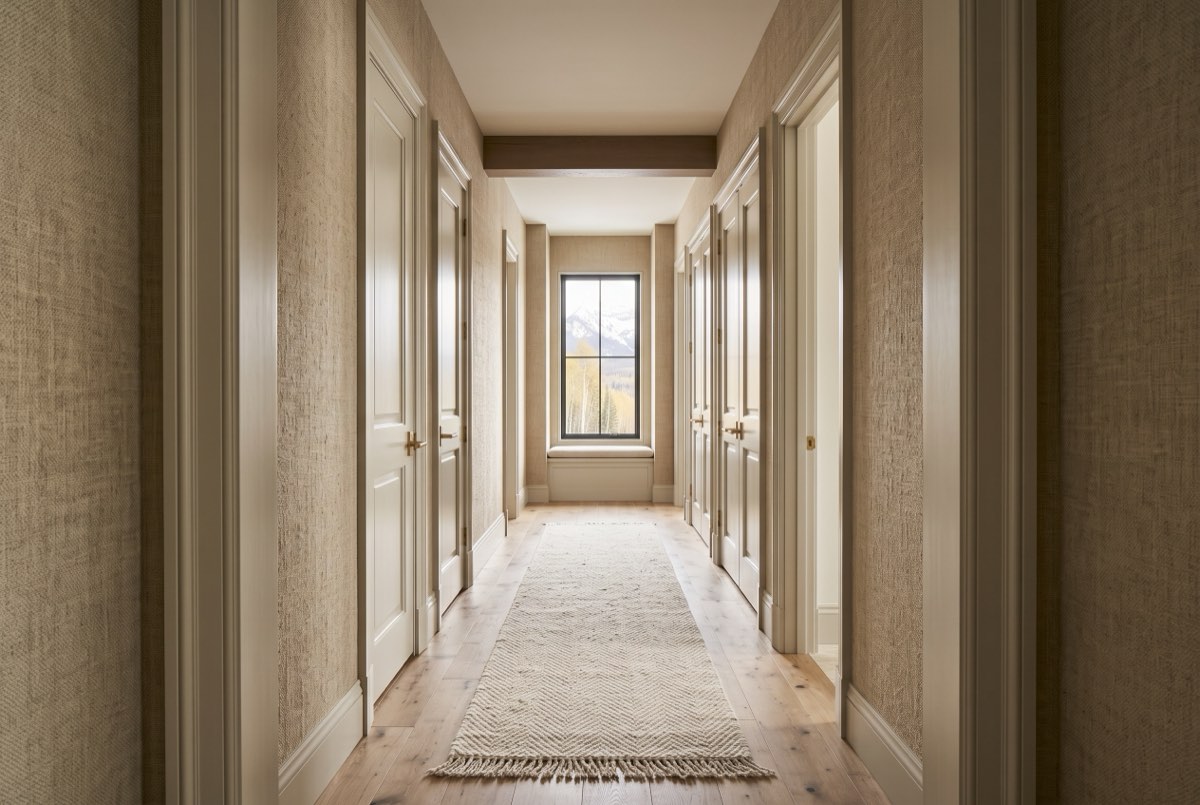
Oatmeal bouclé textile wallcovering along a hallway with paneled doors, Deer Valley, Utah
Bouclé, hallway
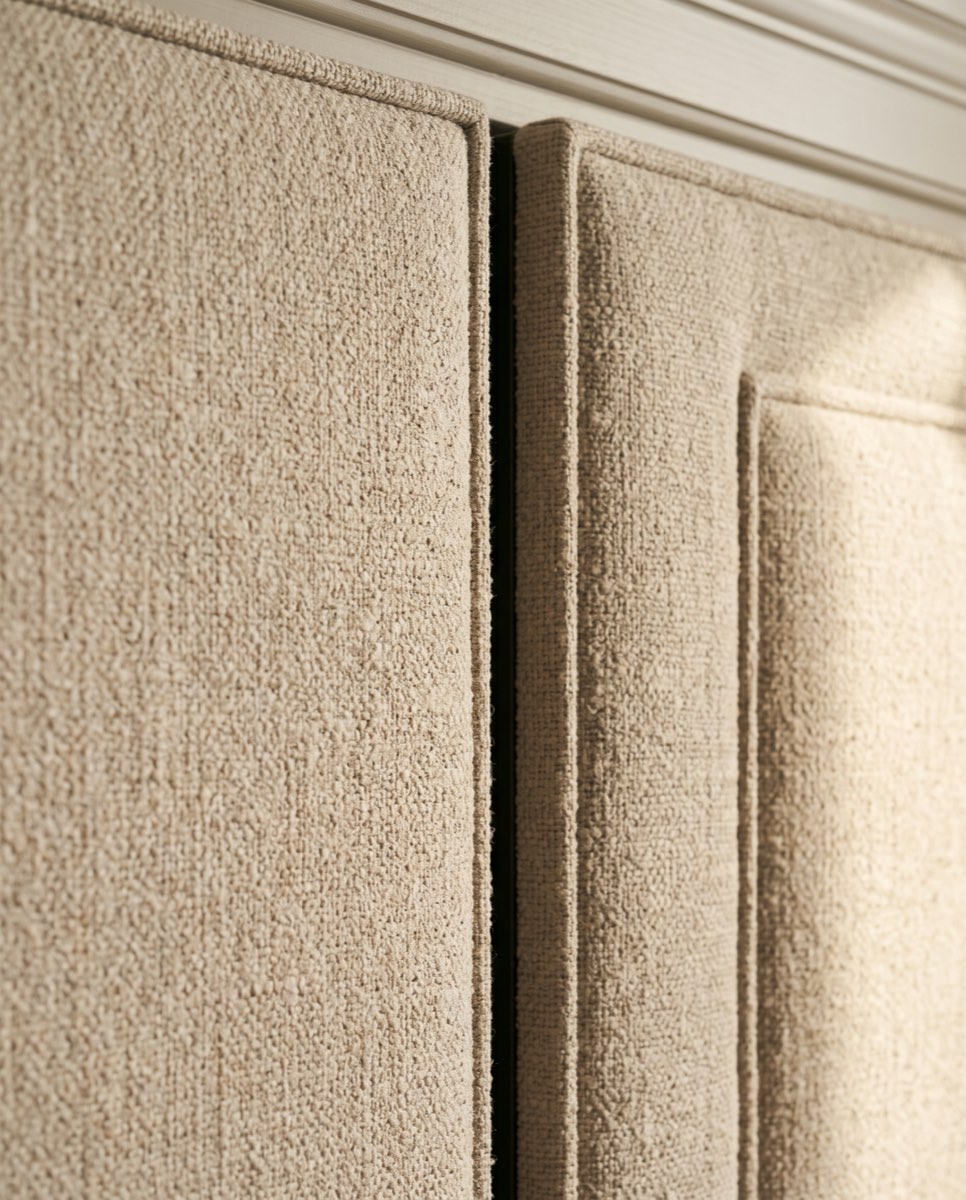
Upholstered linen wall panel corner with a self-welt and shadow gap, Park City, Utah
Self-welt and shadow gap
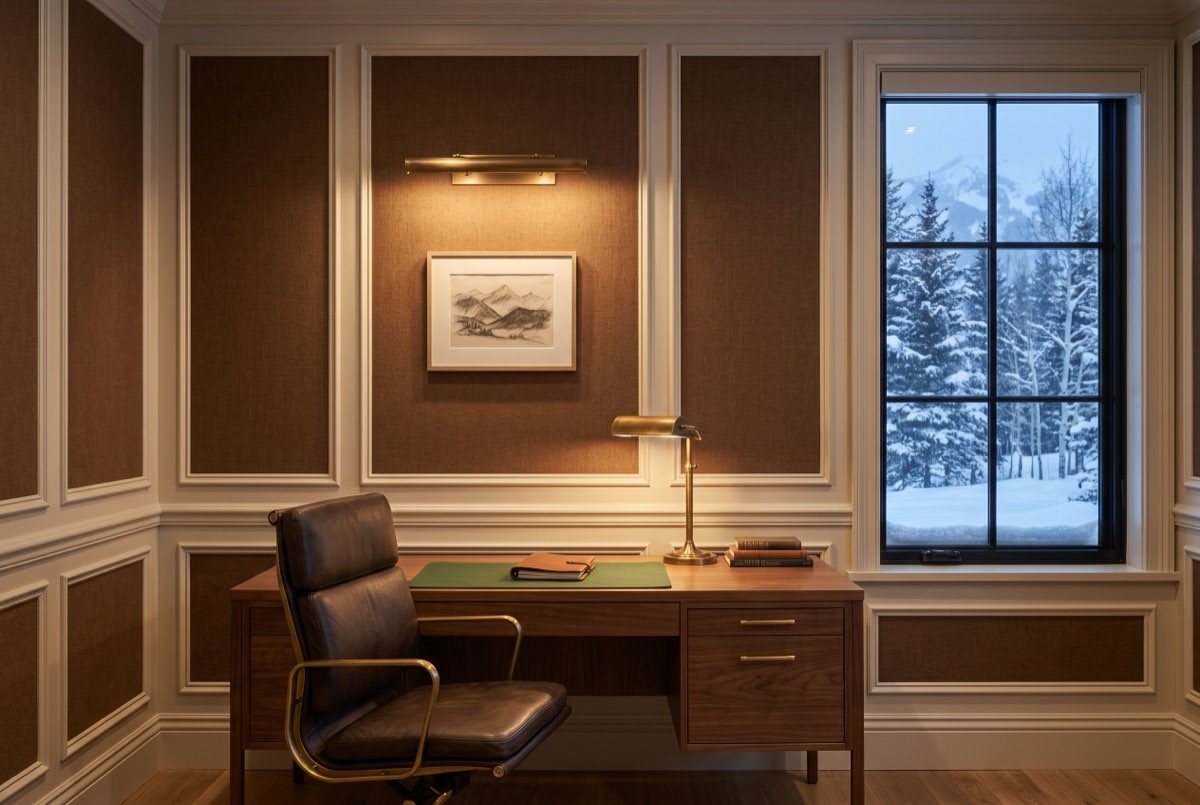
Tobacco wool textile wallcovering inside millwork panels in a home office, Park City, Utah
Wool inside millwork
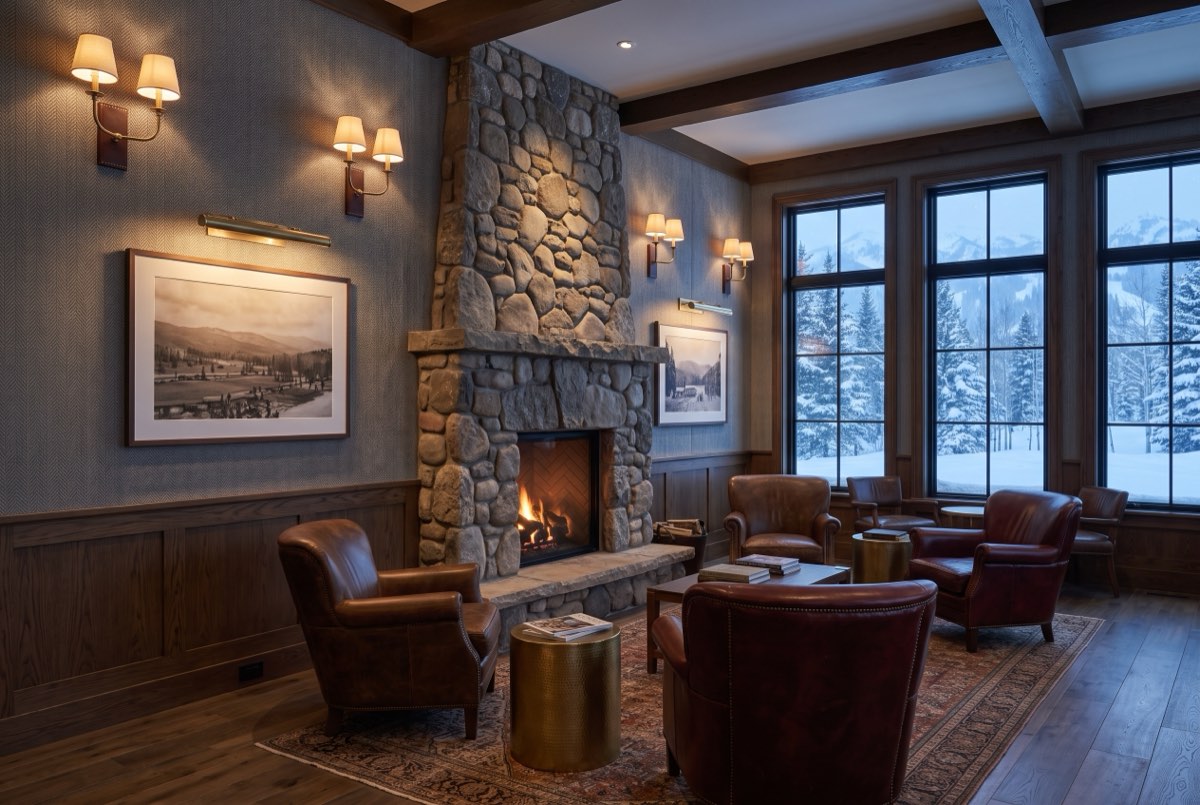
Grey herringbone wool textile wallcovering in a hotel lounge with stone fireplace, Deer Valley, Utah
Herringbone wool, hotel lounge
Hands stretching linen over a padded wall panel and fixing the edge with a stapler, Park City, Utah
Stretching and fixing a panel
Woven wool textile wallcovering weave in raking light with a butted seam, Park City, Utah
Wool weave, butted seam

Textile is installed by the same crews that carry Mancini's grasscloth and silk work across the Wasatch Back: four crews, twelve trained installers, fully insured and bonded, with 70+ five-star reviews.

The houses

Textile we know at the wall

Each house builds its textile differently and publishes its own instructions. These are the ones we install most, and what each asks for.

Holland & Sherry

Wool, linen, and cashmere textile wallcoverings on paper or acrylic backing. Instructions are published per quality, including which may be railroaded.

Installation notes

Pierre Frey

Paris since 1935. Woven linens, wools, and printed textiles on backing, installed to the house's textile instructions: paste on the wall, seams double-cut.

Installation notes

Kravet and Lee Jofa

Trade-only textile houses whose decorator fabrics are backed for the wall or upholstered over track. Backing and paste follow the house's specification per fabric.

Installation notes

Schumacher

New York since 1889. Linens, wools, and textural weaves on paper backing; the house's own guidance sets the paste and the seam method.

Installation notes

Élitis

French contemporary textiles, often wide-width, printed and woven. Wide goods change the seam count and the paste.

Installation notes

Maharam

Contract textiles and wallcoverings, including wool and performance weaves specified for offices and hospitality. Tested values published per product.

Installation notes

Designtex

Contract textiles and acoustic wallcoverings. Backing, adhesive, and fire ratings published per product and followed to the letter.

Installation notes

Your house not listed?

Send the sample and the room. If it is fabric, we have installed something built the same way, and we read the manufacturer's instructions before the order.

Send the sample

Design house and manufacturer names referenced on this page are the property of their respective owners. They identify materials we install and completed project history. Mancini Wallpapers holds no partnership, certification, or endorsement from any house named, and installs every product to the instructions its manufacturer publishes.

Client reviews

Homeowners and designers, in their own words

5.0 · 70+ Google reviews

Where we install textile

Headquartered in Park City. Serving the Wasatch luxury corridor.

Four crews, twelve trained installers, most projects on the calendar within weeks.

Park CityDeer ValleyEmpire PassThe ColonyPromontoryGlenwildJeremy RanchHeber CityMidwayRed LedgesVictory RanchTuhayeAlpineHighlandTraverse MountainSalt Lake CityHolladayCottonwood HeightsDraperSandy

Questions

Fifteen textile questions, answered

The questions homeowners and designers ask before, during, and after a fabric wallcovering installation.

Mancini Wallpapers, headquartered in Park City. Backed textiles and upholstered walls are installed by the same crews that carry our grasscloth and silk work across Summit, Wasatch, Salt Lake, and Utah counties, to the instructions each house publishes.

Yes. Upholstered textile walls are among the best acoustic treatments a room can carry. They are built on a perimeter track over acoustic padding, stretched to tension, and tucked, and the room is quieter the day the last panel goes in.

A backed textile is a wallcovering: fabric laminated to paper or acrylic, pasted at the wall, seams cut and closed. An upholstered wall is joinery: a track around each panel, padding inside, fabric stretched over it. Nothing is glued. The first gives depth; the second gives depth and real sound absorption.

Turning the roll ninety degrees so the width of the fabric runs as the height of the wall. On a plain woven in a room under nine feet, it removes every vertical seam. Whether a fabric may be railroaded is decided by the weave, the pattern, and the house's instruction, at the measurement.

On a railroaded plain fabric there are none. Where seams must fall, they are double-cut: one pass through both layers with a fresh blade, so the edges meet exactly. Seams are placed off the centre line and away from the sightline from the door.

Vacuum with the upholstery tool on low suction, moving with the weave. No water, no sprays. A dry mark lifts with a soft brush; a wet spill is blotted, never rubbed. Performance weaves take the method the mill publishes, which usually allows more.

Under direct, sustained sun, natural fibres soften, wool and dark linens first. Sun is read wall by wall at the measurement. Where light is unavoidable, a UV-rated performance weave carries the look.

In a powder room without a shower, a performance weave with ventilation, yes. In any bath with a shower, a laundry room, or behind a range or sink, no. Those rooms are declined at the measurement.

Backed textiles are acclimated on site before they are cut, and the substrate is sealed so the paste stays where it belongs. Upholstered walls on a track are the most forgiving system at elevation, because nothing is glued and the fabric can move with the season.

The wall is sealed with a primer matched to the paste and the backing. On most projects the substrate arrives primed by the painter; where our scope includes preparation, we skim, sand, and prime to the manufacturer's specification. A liner is used only where the house calls for it.

Not as they are. Texture telegraphs through a backed textile as waves across the weave. The wall is skim-coated flat, sanded, and sealed first. An upholstered wall over padding is the one textile system that tolerates an imperfect substrate, and it is often specified for that reason.

It depends on the wall heights, the width of the fabric, whether it can be railroaded, and the pattern repeat. James measures every wall, plans the direction, and derives the yardage from the cut lengths. The proposal shows the arithmetic. You choose the fabric; we confirm the quantity.

Yes. That is the system's advantage: the fabric is tucked into a track, not glued, so it comes off in one piece and a new fabric goes on the same track and padding without touching the wall.

No. Mancini is installation-only. Material comes through your designer's trade account, a showroom, or your own order, and we install what arrives. Designers keep their procurement chain and their markup; we are the execution at the end of it.

With a complimentary on-site measurement. James walks the space, reads the light and the wall heights, plans the direction of the fabric, and measures it himself. A written proposal follows, with the yardage derived and shown. Send the property address and a photo of the room to begin.

Begin your textile project

Schedule a measurement

Send the property address and a photo of the room. James will come back with a time to walk the space and measure it himself. A written proposal follows.

hello@manciniwallpapers.com · Mon–Fri 8 AM – 7 PM MT · Saturday by appointment

70+
Five-Star Reviews
12
Trained Installers
4
Active Crews
100%
Insured & Bonded
Park City
Headquarters