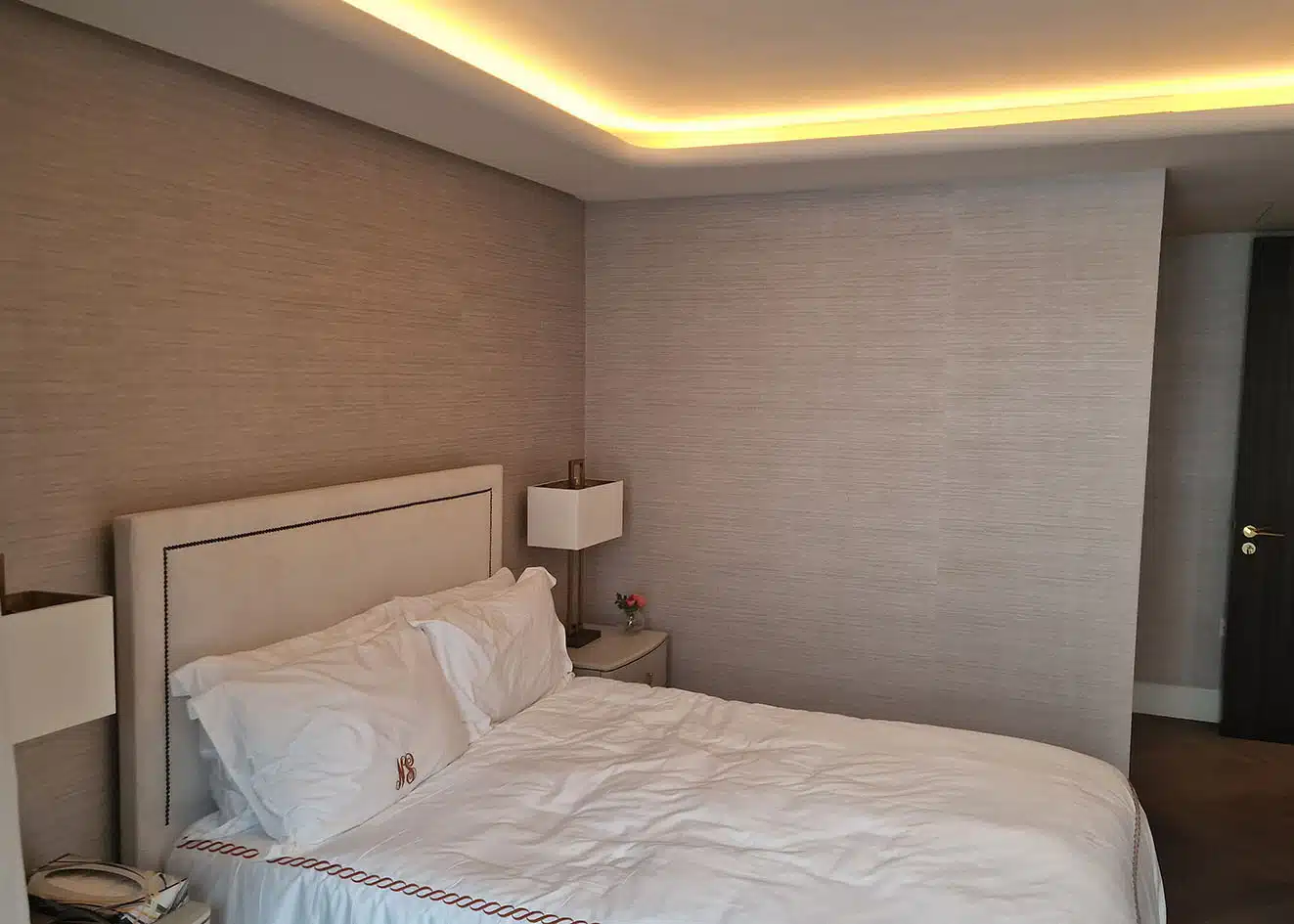
Grasscloth wallcovering across a primary bedroom with cove lighting, luxury home, Utah
Park CityUtahGrasscloth

Material · Grasscloth and natural fibre

Grasscloth Installation in Park City and Across Utah

Natural fibre wallcoverings installed to the specification the material was made for. Every roll mapped before a cut. Seams placed where the eye does not look. Installation-only, headquartered in Park City.

What grasscloth is

The material most often installed badly

Grasscloth is a woven natural fibre, most often sisal, jute, arrowroot, or seagrass, hand-loomed across cotton weft threads and laminated to a paper backing. No two rolls are identical. Colour shifts between dye lots and the weave shifts within a single roll.

That variation is the material's character. It is also the reason grasscloth is the wallcovering most often installed badly. Treated like printed paper, the seams telegraph, the panels read as patchwork, and the fibres pucker under the wrong adhesive. Treated as grasscloth, the wall reads as one continuous surface for the life of the room.

Grasscloth is the largest share of Mancini's residential work across Summit, Wasatch, Salt Lake, and Utah counties.
SisalJuteArrowrootSeagrassRaffiaPaper weaveLinenHemp
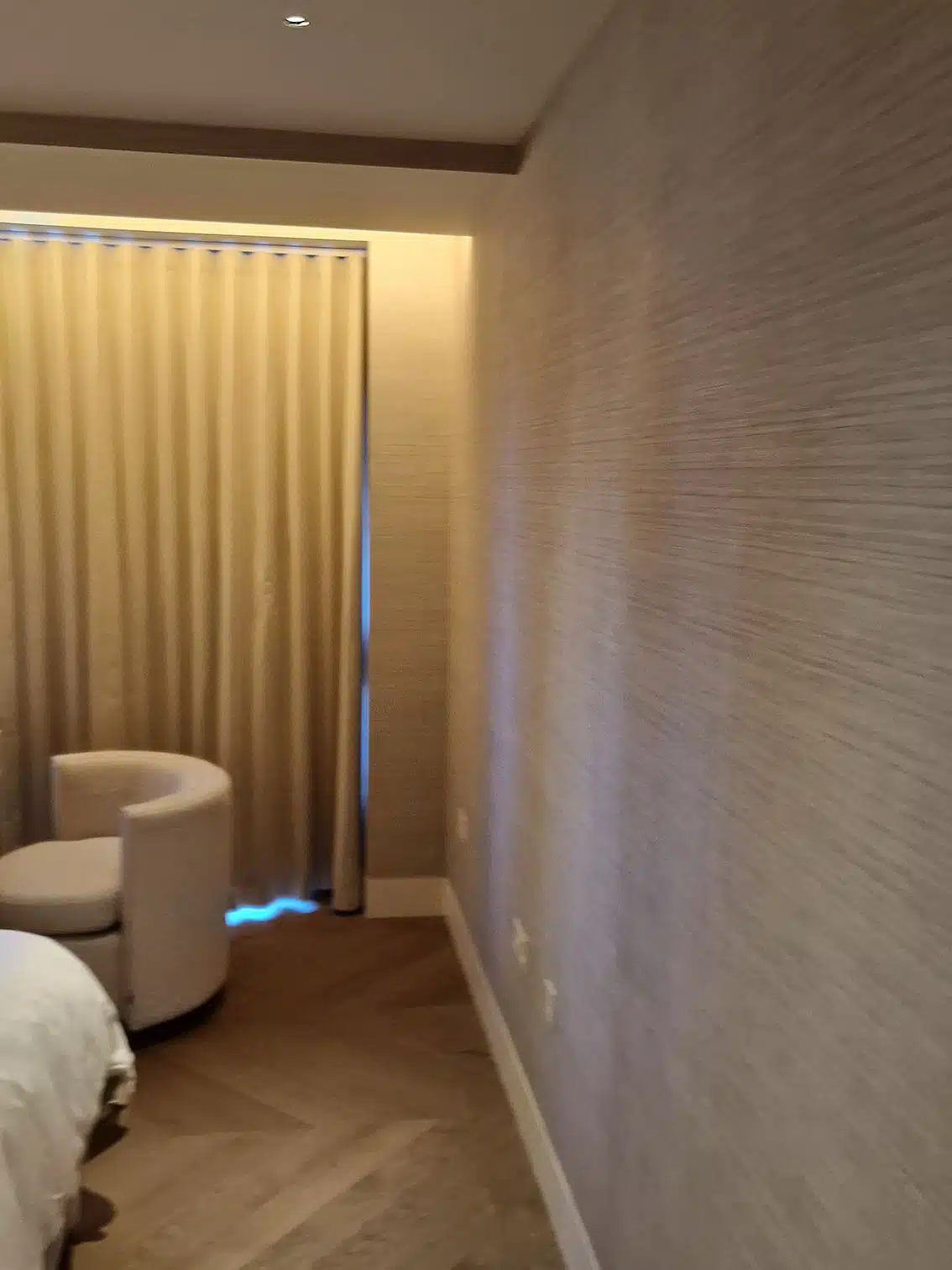
Grasscloth texture detail in a luxury bedroom with herringbone floor, installed by Mancini Wallpapers

Anatomy of a roll

Three layers, one of which takes the paste

A grasscloth roll is a sandwich. The face is the strand: sisal, jute, arrowroot, or seagrass, dried and dyed. The weft is a fine cotton thread the strands are loomed across, which is why the surface reads as a weave rather than a mat. The backing is paper, and the paper is the only layer that should ever meet the paste.

Every failure we are asked to repair traces to one of those three layers being treated as if it were another. Paste on the face stains the strand. An unsealed wall lets the paper wick moisture, and the strands drink it. A seam rolled flat crushes the weave at the join and reads as a stripe.

  • Standard roll: 36 inches wide, 24 feet long, sold as a double roll or by the yard depending on the house
  • Face weight varies by fibre: seagrass is the heaviest and most rigid, paper weave the lightest
  • Backing: paper on most collections; some houses laminate to a non-woven backing, which changes the paste
Cross-section of a grasscloth roll: woven fibre face, weft threads, paper backing, and a butted seam Woven fibre faceWeft threadsPaper backingSealed substrate Butted seam · never overlapped Sisal, jute, arrowroot or seagrass strands are hand-loomed across cotton weft threads, then laminated to paper. The paper takes the paste. The face never does. Where the paper is unsealed, the strands drink and pucker. 1 roll ≈ 36 in × 24 ft· no two rolls identical · colour shifts by dye lot · weave shifts within the roll
1 · Woven fibre face (top band)2 · Weft threads (thin lines)3 · Paper backing · the only layer that takes paste4 · Sealed substrateDashed line · butted seam, never overlapped 1 roll ≈ 36 in × 24 ft No two rolls identical.Colour shifts by dye lot.Weave shifts within the roll.Paste on the face stains the strand.
Cross-section of a grasscloth roll and a butted seam

Fibre guide

Eight fibres, eight behaviours

The word grasscloth covers very different materials. Each one asks something different of the wall and the crew.

FibreTexture and readColour behaviourSeam visibilityBest roomsAt the wall
SisalFine, even, slightly glossy strand. Reads formal.Dyes evenly; moderate lot variation.ModerateDining rooms, primary suites, studiesSequenced by lot. Seams off the sightline.
JuteCoarser, softer strand with visible knots. Reads relaxed.Wider lot variation; warms with age.HighBedrooms, dens, hallwaysEvery roll unrolled and mapped before a cut.
ArrowrootVery fine, tight weave. Reads almost like linen.Consistent; takes pale colours well.LowPowder rooms, dressing rooms, ceilingsSealed substrate essential; fine strand telegraphs any wave.
SeagrassThick, rounded strand with natural sheen. Heaviest of the group.Strong natural variation; greens and golds shift.HighEntries, stair halls, librariesRigid: rests on site before cutting. Fresh blade every cut.
RaffiaFlat, wide ribbon-like strand. Reads coastal.Even; tends pale.ModerateBedrooms, sunrooms with indirect lightFrays fastest on a dull edge. Edges finished, never hidden.
Paper weaveTwisted paper strands. Lightest and most uniform.Most consistent; some are UV-rated.LowRooms with more light; ceilingsForgiving of humidity swings; still sealed and sequenced.
LinenWoven textile face on paper. Reads tailored.Very consistent.LowStudies, dining rooms, corridorsHandled as a textile: double-cut seams, paste to the wall.
HempIrregular, nubby strand. Reads organic.Wide variation between rolls.HighFeature walls, mountain-modern interiorsMapped by lot; seams choreographed to the room's light.

Sisal

Texture and read
Fine, even, slightly glossy strand. Reads formal.
Colour behaviour
Dyes evenly; moderate lot variation.
Seam visibility
Moderate
Best rooms
Dining rooms, primary suites, studies
At the wall
Sequenced by lot. Seams off the sightline.

Jute

Texture and read
Coarser, softer strand with visible knots. Reads relaxed.
Colour behaviour
Wider lot variation; warms with age.
Seam visibility
High
Best rooms
Bedrooms, dens, hallways
At the wall
Every roll unrolled and mapped before a cut.

Arrowroot

Texture and read
Very fine, tight weave. Reads almost like linen.
Colour behaviour
Consistent; takes pale colours well.
Seam visibility
Low
Best rooms
Powder rooms, dressing rooms, ceilings
At the wall
Sealed substrate essential; fine strand telegraphs any wave.

Seagrass

Texture and read
Thick, rounded strand with natural sheen. Heaviest of the group.
Colour behaviour
Strong natural variation; greens and golds shift.
Seam visibility
High
Best rooms
Entries, stair halls, libraries
At the wall
Rigid: rests on site before cutting. Fresh blade every cut.

Raffia

Texture and read
Flat, wide ribbon-like strand. Reads coastal.
Colour behaviour
Even; tends pale.
Seam visibility
Moderate
Best rooms
Bedrooms, sunrooms with indirect light
At the wall
Frays fastest on a dull edge. Edges finished, never hidden.

Paper weave

Texture and read
Twisted paper strands. Lightest and most uniform.
Colour behaviour
Most consistent; some are UV-rated.
Seam visibility
Low
Best rooms
Rooms with more light; ceilings
At the wall
Forgiving of humidity swings; still sealed and sequenced.

Linen

Texture and read
Woven textile face on paper. Reads tailored.
Colour behaviour
Very consistent.
Seam visibility
Low
Best rooms
Studies, dining rooms, corridors
At the wall
Handled as a textile: double-cut seams, paste to the wall.

Hemp

Texture and read
Irregular, nubby strand. Reads organic.
Colour behaviour
Wide variation between rolls.
Seam visibility
High
Best rooms
Feature walls, mountain-modern interiors
At the wall
Mapped by lot; seams choreographed to the room's light.

Where grasscloth performs

The right rooms, and the wrong ones

Where it belongs

  • Primary bedrooms and dressing rooms
  • Dining rooms and libraries
  • Entries, hallways, and stair halls
  • Studies and home offices
  • Powder rooms without a shower
  • Ceilings, in rooms with indirect light

Where it does not

  • Steam showers and full baths
  • Behind a range or a sink splash
  • Walls in direct, sustained sun
  • Unsealed or unprimed substrates
  • Rooms without humidity control at elevation
  • Anywhere the wall has not been made flat first

What grasscloth demands at the wall

Five disciplines before the wall reads as one

The material is correct more often than the installation. These are the steps that close the gap.

01

Dye-lot mapping

Every roll is unrolled, inspected, and sequenced before a cut is made, so shading reads as one surface across the room.

02

Seam choreography

Grasscloth seams are visible by nature. They are placed off the centre line and away from the sightline from the door.

03

Sealed substrate

Natural fibre draws moisture from the wall. The substrate is primed to seal it, so the fibres stay flat and the paste stays where it belongs.

04

Dry-climate acclimation

Utah interiors run dry, particularly in winter at elevation. Material rests on site so it settles to the room before it meets the wall.

05

Clean edges

Fresh blades on every cut. Edges at trim and outlets are finished, not hidden, because grasscloth frays on a dull edge.

The dye-lot map

Where each roll goes is decided before the first cut

Grasscloth is dyed in lots, and no two lots match. The order is placed so the whole room comes from as few lots as possible, and the rolls that arrive are unrolled side by side and read in daylight before anything is cut.

Then the wall is drawn. Drops are numbered. Lots are grouped so a shade change lands on a return or past the centre line, never at the first seam the eye meets from the door. The seam that would fall dead centre behind the bed or the sideboard is moved by shifting the start point, not by trimming a strip narrow.

  • Roll order is recorded on the drawing so a repair years later can match the sequence
  • Reverse-hanging alternate drops is done only where the house specifies it
  • Ceilings are mapped separately: their light is different and their seams are read from below
Elevation of a wall showing eight grasscloth drops sequenced by dye lot, the centre line, and the sightline from the door Door A1A2A3A4B1B2B3B4 Centre line · no seam lands here Sightline from the door → the first seams the eye meets are placed past the field of view Lot A on the entry wall, lot B beyond the centre line: the shade change lands where the eye is not looking. Every roll unrolled and mapped before the first cut.
Door A1A2A3A4B1B2B3B4 Arrow · sightline from the doorDashed line · centre line, no seam hereA / B · two dye lots, grouped Lot A on the entry wall, lot B beyond thecentre line: the shade change lands wherethe eye is not looking.Every roll unrolled and mapped beforethe first cut.
A wall elevation as the crew plans it: drops numbered, lots grouped, seams away from the door

Grasscloth at elevation

What changes between the valley and 7,000 feet

A roll that left a warehouse at coastal humidity arrives in a Park City house running fifteen percent in January. If it goes on the wall that afternoon, it dries on the wall, and the seams open a hair as the strands contract.

So the material rests on site, in the room it is going into, until it has settled to the room. The substrate is sealed so the wall cannot pull the last of the moisture through the paper. The paste is matched to the backing and to the season. None of this is visible in the finished room. All of it is why the seams are still closed in August.

  • Acclimation on site before cutting, in the room, not the garage
  • Humidification checked in new construction where the HVAC is not yet balanced
  • Sun exposure across the day noted at the measurement; natural fibre fades under direct light
Chart comparing typical winter and summer indoor humidity in mountain homes against the stable range for natural fibre Stable range for natural fibre · 35–55% RH 80%60%40%20%0 Park City home, January≈ 15–20% Park City home, July≈ 30–40% Roll as shipped≈ 45–55% Typical ranges for heated mountain interiors; every home is read on the day. Material that goes up wet into a dry room shrinks at the seam as it dries.
Stable range · 35–55% RH 80%60%40%20% 15–20% 30–40% 45–55% Park City homeJanuaryPark City homeJulyRoll asshipped Typical ranges for heated mountaininteriors; every home is read on the day.Material that goes up wet into a dry roomshrinks at the seam as it dries.
Relative humidity inside Wasatch Back homes, winter and summer, against the range natural fibre is stable in

How much a room takes

The quantity is derived from the measurement, and shown

Grasscloth is ordered by the double roll or by the yard, and the wrong quantity is expensive in both directions: too little means a second dye lot on the last drop, too much is money on the floor. So the number is derived, not estimated.

James measures every wall himself. Fractions of an inch round up. Heights round up to the next half-foot. Each wall gains three inches per side. Walls are grouped by height so a tall entry never sets the cut length for an ordinary bedroom. The drops per roll come from the cut length; the rolls come from the drops; the proposal shows the arithmetic line by line.

  • Quantities only: the product is always the designer's or the client's selection
  • Extra material is carried for pattern geometry and dye lots, never as a margin for the crew
  • Surplus rolls stay with the client at the end of the install
How a wall's grasscloth quantity is derived: measured wall, cut length, drops per roll, rolls required 12 ft 0 in wide → measured 12 ft 6 in (+3 in each side) 8 ft 10 in → rounds up to 9 ft 0 in 1234 4 drops at 36 in · 5th partial drop from the offcut drop 1drop 2 One roll · 36 in × 24 ftCut length 9 ft 0 in + 6 in trim= 2 full drops per roll Wall needs 5 drops→ 3 rolls from one dye lot Walls are grouped by height, so atall entry never dictates the cutlength for a 9 ft bedroom. Fractions of an inch round up. Heights round up to the next half-foot. Width gains 3 in per side. Quantities are confirmed from James's measurement, never from a drawing.
1234 12 ft 0 in → measured 12 ft 6 in 8 ft 10 in → 9 ft 0 in drop 1drop 2 One roll · 36 in × 24 ftCut length 9 ft 0 in + 6 in trim= 2 full drops per rollWall needs 5 drops (4 + one partial)→ 3 rolls from one dye lot Fractions of an inch round up.Heights round up to the next half-foot.Width gains 3 in per side.Walls are grouped by height, so a tall entrynever sets the cut length for a 9 ft bedroom.Confirmed from James's measurement.
A twelve-foot wall, one roll, and how the numbers meet

Living with grasscloth

Care, lifespan, and what to expect at year ten

A natural surface, treated as one.

Cleaning

Dust with a soft brush or the upholstery tool of a vacuum, in the direction of the weave. No water, no cleaners. A dry spill is lifted with a soft eraser; a wet one is blotted, never rubbed, then left alone.

Sun

Natural fibre fades under direct, sustained sun, and darker dyes fade first. Rooms with west light are assessed at the measurement. Paper weaves and some sisal lines are UV-rated and are the right choice where light is unavoidable.

Pets and children

Cats read grasscloth as a scratching surface. Where cats live, the material goes above a chair rail or on walls they do not pass. Where hands and bags brush the wall daily, a vinyl grasscloth carries the look with a cleanable face.

Humidity

Kept in a room with normal humidity and no steam, the fibre is stable. Steam showers, laundry rooms, and unvented baths are declined at the measurement, not discovered later.

Lifespan

Installed to specification on a sealed wall, grasscloth commonly serves a decade or more and often outlasts the décor around it. The seams do not open; the colour softens evenly rather than in patches.

Repairs

Because the roll order is recorded on the drawing, a damaged drop years later can be matched to its lot and its neighbours. Keep the surplus rolls we leave with you in a dry, dark place for exactly this.

Why Mancini

The standard grasscloth demands

01

Precision Craft

Seam work and sequencing you only notice when you look closely.

Every roll mapped. Every seam placed. Every substrate sealed before the first strip goes up. The standard is measured in what you do not see.

02

Specification Discipline

Installed to the instructions each house publishes, roll by roll.

Every manufacturer writes an installation specification for its grasscloth. We read it before the order and follow it at the wall: the primer, the paste, the seam method, the rest time. No shortcuts, no substitutions.

03

Responsive Capacity

Four active crews. Twelve trained installers. Scheduling measured in weeks.

Multi-crew capacity means a grasscloth project moves on your timeline. Most projects are on the calendar within weeks, not months.

Grasscloth, installed
Across Park City, the Wasatch Back, and the Salt Lake Valley

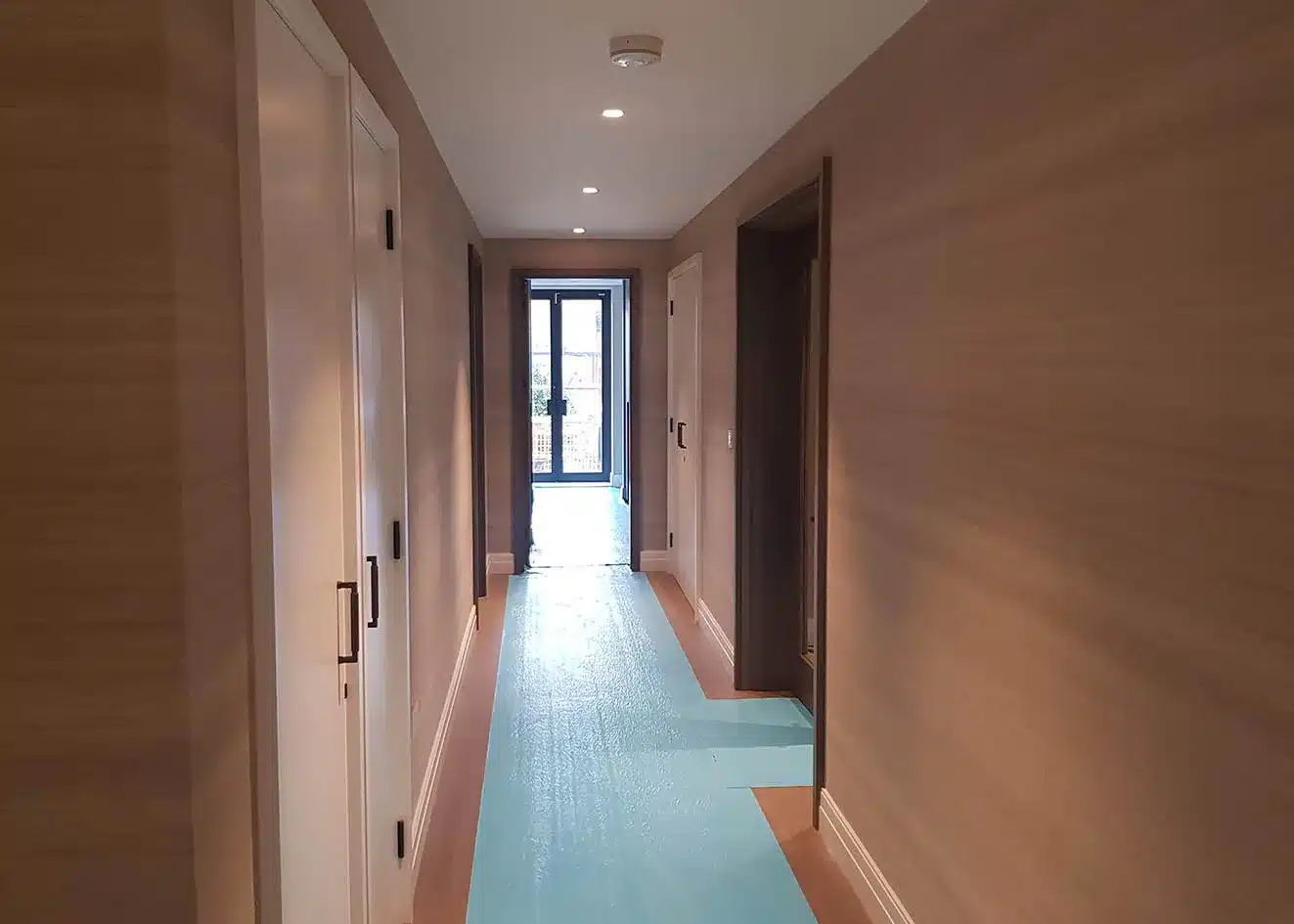
Grasscloth hallway with paneled doors, luxury home wallcovering installation, Utah
Hallway, luxury residence
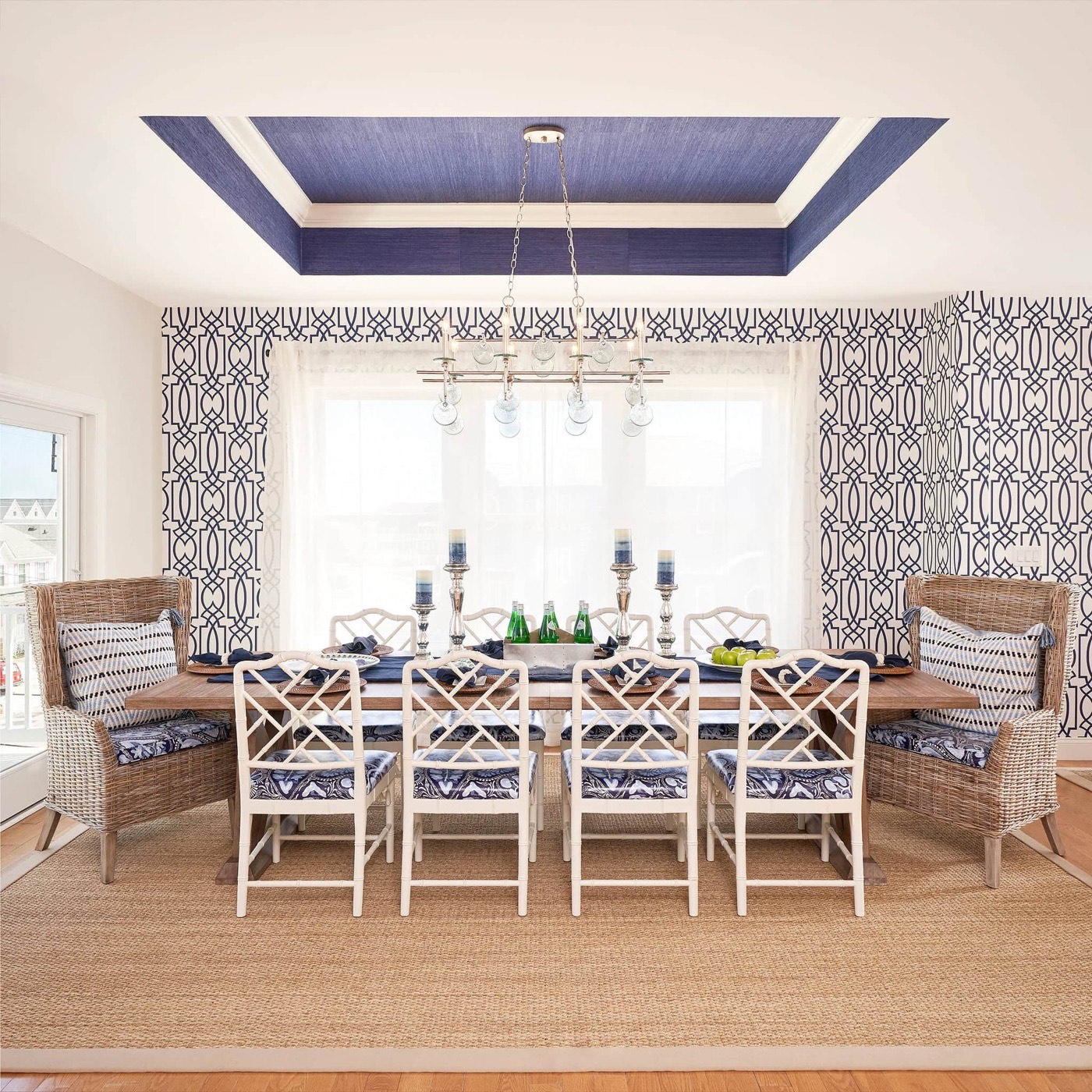
Dining room with navy trellis wallpaper and a blue grasscloth ceiling, installed by Mancini Wallpapers, Utah
Dining room, grasscloth ceiling
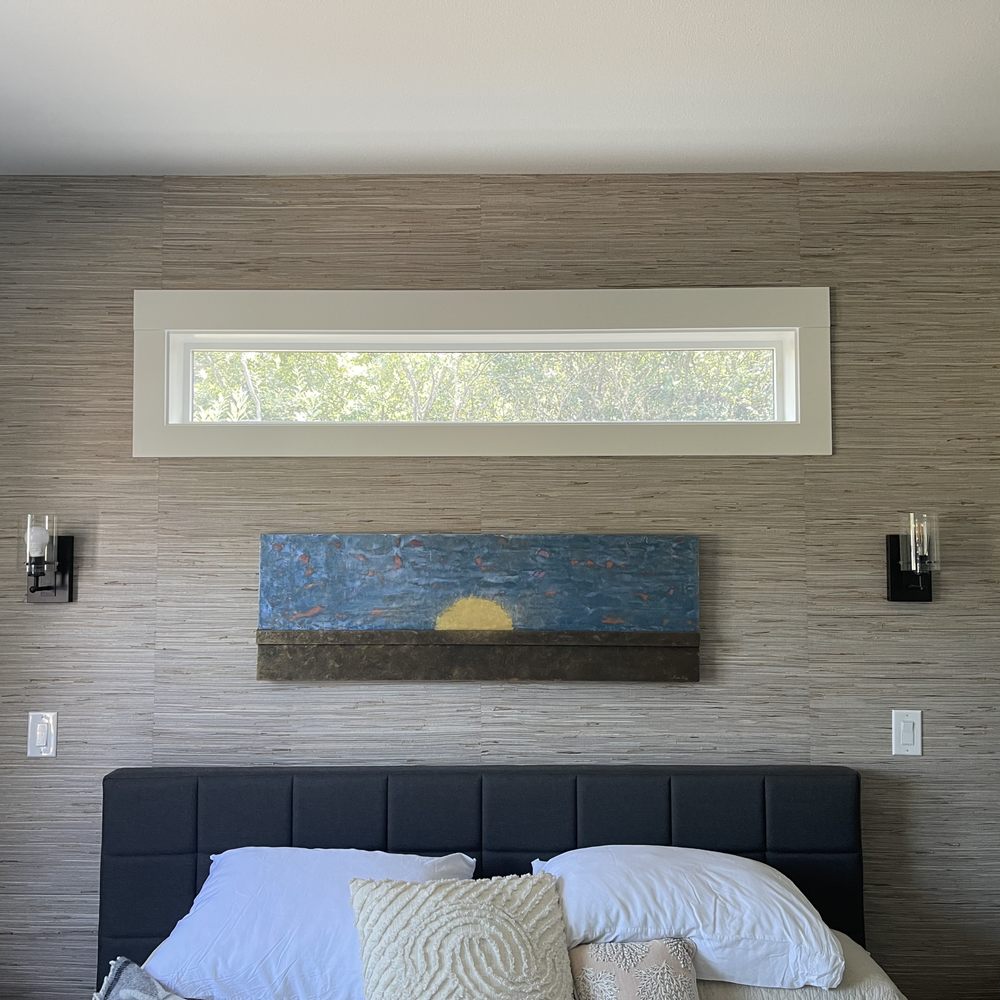
Grasscloth headboard wall with transom window, bedroom installation, Utah
Headboard wall, transom window
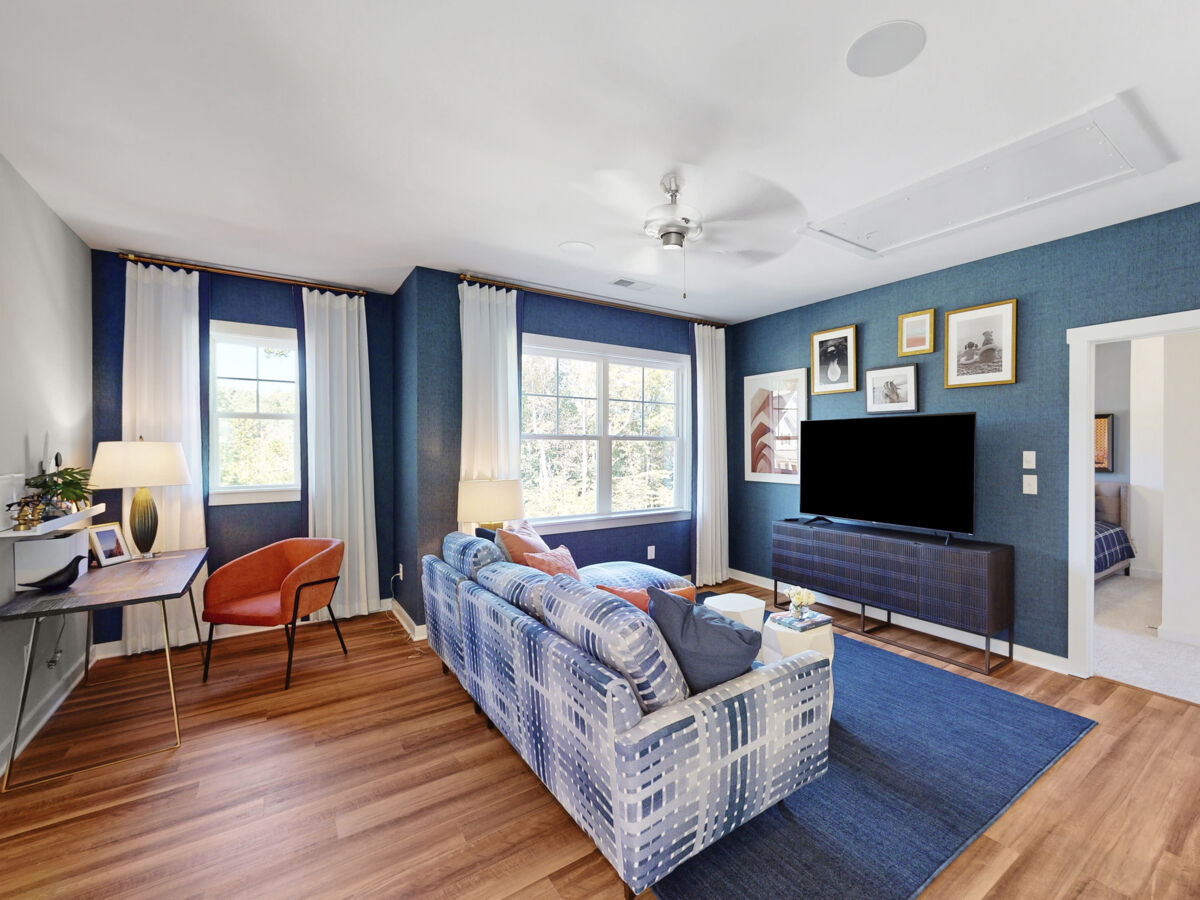
Blue grasscloth full-room wallcovering installation in a living room, Utah
Living room, full room
Grasscloth hallway, alternate view, luxury residential installation, Utah
Hallway, alternate view
Grasscloth texture detail in a luxury bedroom with herringbone floor, installed by Mancini Wallpapers
Texture, herringbone floor
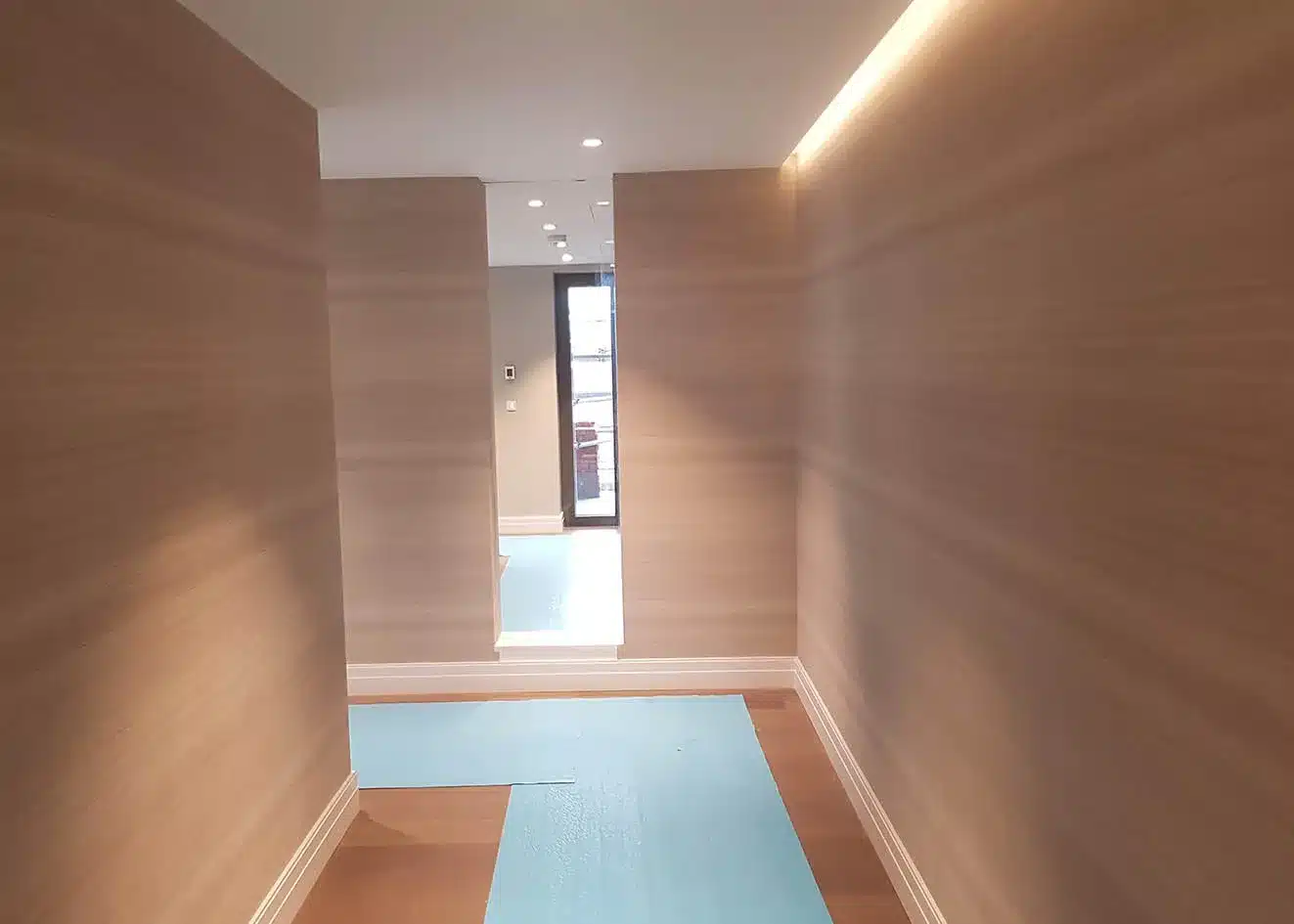
Grasscloth hallway in a new-construction luxury residence, Utah
New-construction hallway
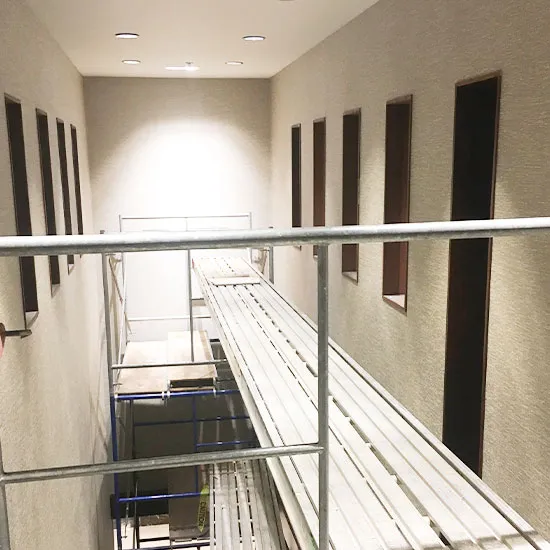
Commercial grasscloth wallcovering in a high-ceiling lobby, Salt Lake
Commercial lobby
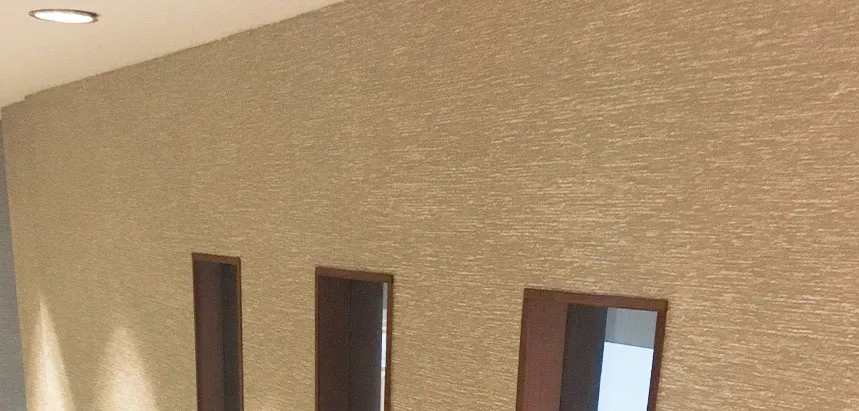
Textured grasscloth wallcovering detail, close-up
Textured grasscloth, close

A Park City design studio we work with regularly has specified us on four consecutive projects, including a nine-space whole-home installation on the Deer Valley–Heber corridor, completed in two weeks with no callback.

The houses

Grasscloth we know at the wall

Each house builds its grasscloth differently and publishes its own instructions. These are the ones we install most, and what each asks for.

Phillip Jeffries

Natural-fibre and textured wallcoverings since 1976. Seam and paste instructions are published per collection, and they differ: some lines are butted, others double-cut.

Installation notes

Schumacher

New York since 1889. Grasscloths and textiles that vary visibly by lot; the house's own guidance calls for rolls to be inspected and sequenced before cutting.

Installation notes

Thibaut

America's oldest wallpaper house. Grasscloth sits alongside printed paper and textured vinyl in the same collections, each with its own primer note.

Installation notes

York Wallcoverings

The largest US maker, sold by the double roll. Its grasscloth lines are paper-backed; quantities are confirmed from the measurement so the last strip is never a different lot.

Installation notes

Élitis

French contemporary textile and grasscloth, often wide-width with printed or metallic surfaces. Wide goods change the seam count and the paste.

Installation notes

Arte

Belgian texture innovation. Natural fibre sold by lot, with collection-specific instructions that are read before the order is placed.

Installation notes

Omexco

Belgian natural fibre, mica, and textile, often combined on a single roll. The paste follows the backing, never the face.

Installation notes

Your house not listed?

Send the sample and the room. If it is grasscloth, we have installed something built the same way, and we read the manufacturer's instructions before the order.

Send the sample

Design house and manufacturer names referenced on this page are the property of their respective owners. They identify materials we install and completed project history. Mancini Wallpapers holds no partnership, certification, or endorsement from any house named, and installs every product to the instructions its manufacturer publishes.

Client reviews

Homeowners and designers, in their own words

5.0 · 70+ Google reviews

Where we install grasscloth

Headquartered in Park City. Serving the Wasatch luxury corridor.

Four crews, twelve trained installers, most projects on the calendar within weeks.

Park CityDeer ValleyEmpire PassThe ColonyPromontoryGlenwildJeremy RanchHeber CityMidwayRed LedgesVictory RanchTuhayeAlpineHighlandTraverse MountainSalt Lake CityHolladayCottonwood HeightsDraperSandy

Questions

Fifteen grasscloth questions, answered

The questions homeowners and designers ask before, during, and after a grasscloth installation.

Mancini Wallpapers, headquartered in Park City. Grasscloth is the largest share of our residential work across Summit, Wasatch, Salt Lake, and Utah counties, and every roll is sequenced by dye lot before a cut is made.

Yes, and they are meant to. Authentic grasscloth always shows its seams; the strands do not continue across a join. What a good installation controls is where the seams fall: off the centre line, away from the sightline from the door, and with the rolls sequenced so shading reads as one surface.

In the right room it serves a decade or more. It is not a scrubbable surface, so it belongs where hands, bags, and water do not meet the wall. Installed on a sealed substrate and sequenced by lot, the seams stay closed and the colour softens evenly rather than in patches.

Dust it. A soft brush or a vacuum's upholstery tool, moving with the weave, is all it wants. No water, no sprays, no cleaners. A dry mark lifts with a soft eraser. A wet spill is blotted, never rubbed, and then left to dry on its own.

Under direct, sustained sun, yes, and darker dyes fade first. We note the light across the day at the measurement. For a wall that takes afternoon sun, a UV-rated paper weave or a lighter sisal is the right specification, and we will say so before the order.

In a powder room without a shower, yes, with ventilation. In a steam shower, a full bath, or behind a range or sink splash, no; the fibre absorbs moisture and stains. Where the look is wanted in a wet room, a vinyl grasscloth carries it with a cleanable face.

Cats treat grasscloth as a scratching post. Where cats live, the material goes above a chair rail or on walls they do not pass. Where small hands and school bags brush the wall daily, we recommend a vinyl grasscloth or a different wall for the natural fibre.

Yes. Wasatch Back interiors can run fifteen percent humidity in winter. Material that goes up wet dries on the wall and opens at the seams. So the rolls rest on site in the room first, the substrate is sealed, and the paste is matched to the backing and the season.

The wall must be sealed before grasscloth goes on it, so the paper backing cannot wick moisture and the paste stays where it belongs. On most projects the substrate arrives primed by the painter; where our scope includes preparation, we prime to the manufacturer's specification. A liner paper is used only where the house calls for it.

Not as they are. Texture telegraphs through the paper backing and reads as waves across the weave. The wall is skim-coated flat, sanded, and sealed first. That preparation is part of the scope and is written into the proposal when the walls need it.

It depends on the wall heights, the roll length of the house you have chosen, and how the drops fall. James measures every wall, rounds to the rules the material demands, groups walls by height, and derives the quantity from the cut length and the drops per roll. The proposal shows the arithmetic. You choose the product; we confirm the quantity.

A few paper weaves are sold as paintable. Most grasscloth is not: paint fills the weave and flattens the strand, which is the whole point of the material. Choose the colour at the order; the range across the houses is wide.

Carefully, and the wall beneath it repaired afterwards. The face is scored, the backing is softened with warm water or steam, and the paper is lifted in strips. Where a sealed substrate was used, the wall comes back clean. Where it was not, expect skim-coating before anything new goes up.

No. Mancini is installation-only. Material comes through your designer's trade account, a showroom, or your own order, and we install what arrives. Designers keep their procurement chain and their markup; we are the execution at the end of it.

With a complimentary on-site measurement. James walks the space, measures it himself, and a written proposal follows, with the quantities derived and shown. Send the property address and a photo of the room to begin.

Begin your grasscloth project

Schedule a measurement

Send the property address and a photo of the room. James will come back with a time to walk the space and measure it himself. A written proposal follows.

hello@manciniwallpapers.com · Mon–Fri 8 AM – 7 PM MT · Saturday by appointment

70+
Five-Star Reviews
12
Trained Installers
4
Active Crews
100%
Insured & Bonded
Park City
Headquarters