
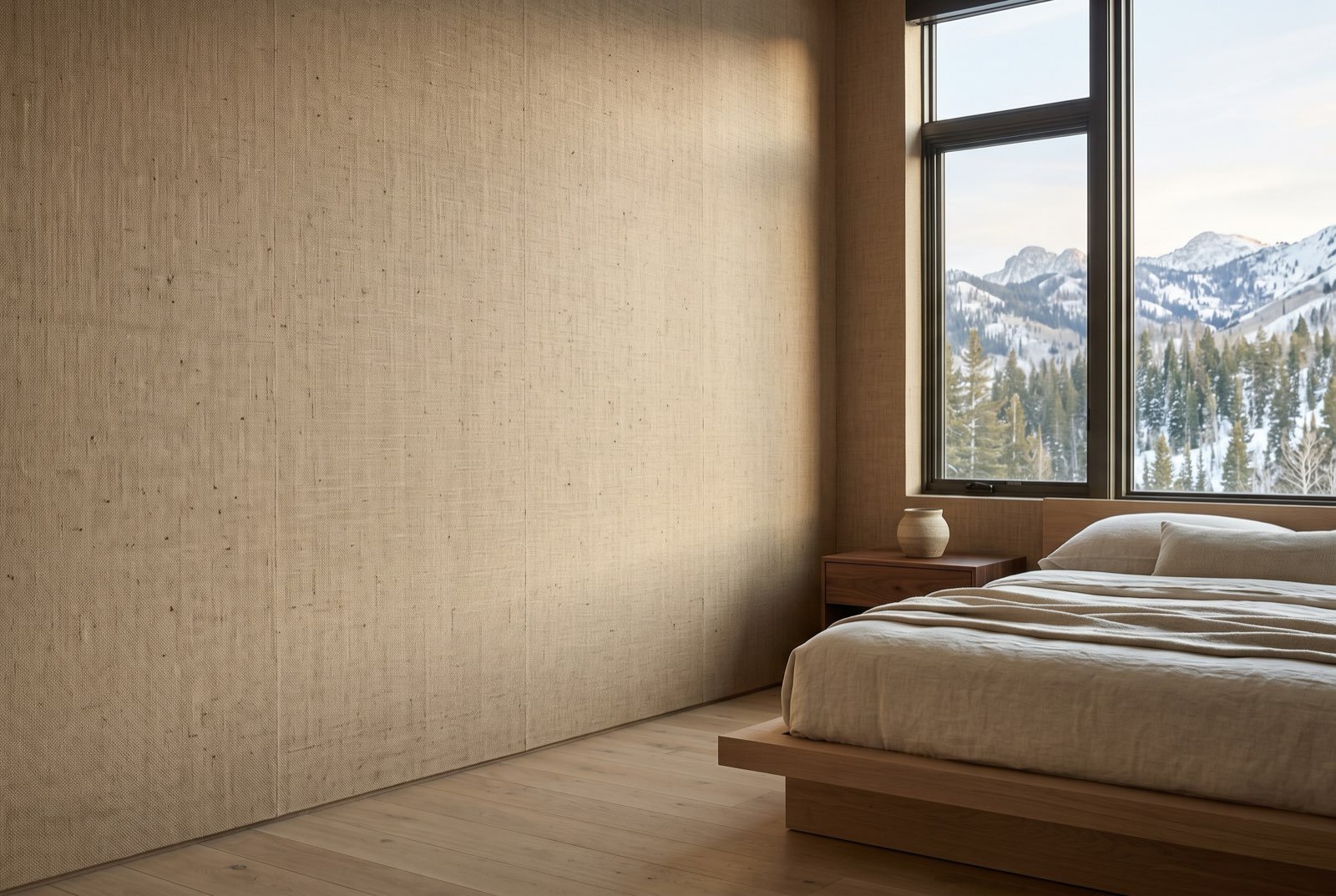
House · Installed in Park City and across Utah
Mancini Wallpapers is a wallcovering installation contractor headquartered in Park City, Utah. We install Phillip Jeffries grasscloth, Manila Hemp, Japanese paper weaves, vinyl textures, and digital murals across Park City, Deer Valley, the Heber Valley, and the Salt Lake Valley, to the hanging instructions the house publishes line by line. We hold no partnership or certification from Phillip Jeffries.
The house
Phillip Jeffries began in 1976 with ten grasscloths in Eric Bershad's garage in New Jersey. The house still belongs to the family: his sons Philip and Jeffrey Bershad took over from their parents around 2008 and lead it today as co-CEOs, from a headquarters in Fairfield, New Jersey, that stocks about a million yards of wallcovering and ships stocked goods within days.
Grasscloth is where it started and what it is still known for. The naturals are handcrafted by artisans and laminated to paper at the house's own mill in Japan; the Japanese paper weaves are woven by fifth-generation craftsmen from paper coloured before it is woven. Around that core the line has grown into Manila Hemp, raffia, linen, metallic leaf, textured vinyl, and digital murals, which the house said in 2021 it could print on more than thirty grounds.
The house sells exclusively to the trade, through showrooms in New York, London, Paris, and Singapore among others, and through representatives. Across Park City, the Heber Valley, and the Salt Lake Valley, we install it to the hanging instructions the house publishes.
Fifty years, one family
The line has never left the family. Eric Bershad founded the house in 1976; Philip Bershad came on board in 2000 and travelled to Japan with his father that year; the brothers took over from their parents around 2008. The grasscloth that started the house is still the heart of the catalogue, and the house still publishes a hanging sheet for it, line by line.
The scale changed. What was ten grasscloths is now more than two thousand designs in stock. The first boutique showroom opened in Boston in 2016, three openings in 2021 made nine, and in its fiftieth year the house keeps fourteen showrooms on three continents. For a project on the Wasatch Back, the figure that matters is the ship window: a stocked Manila Hemp order typically leaves the New Jersey warehouse within one to two days.
 1976
From a New Jersey garage to fourteen showrooms on three continents and a million yards in stock
A curiosity from the house
The name on the bolt is a family's. The house carries the names of the founder's two sons, Philip and Jeffrey Bershad, and the elder's comes first. Philip has made the point himself in an interview the house reprints: had he been the younger, the order of the names would be reversed.
By the house's own account the brothers joined the business as employees number nine and number eleven. The company remains family-owned and operated, the two of them lead it today, and it counts more than 400 people on its team.
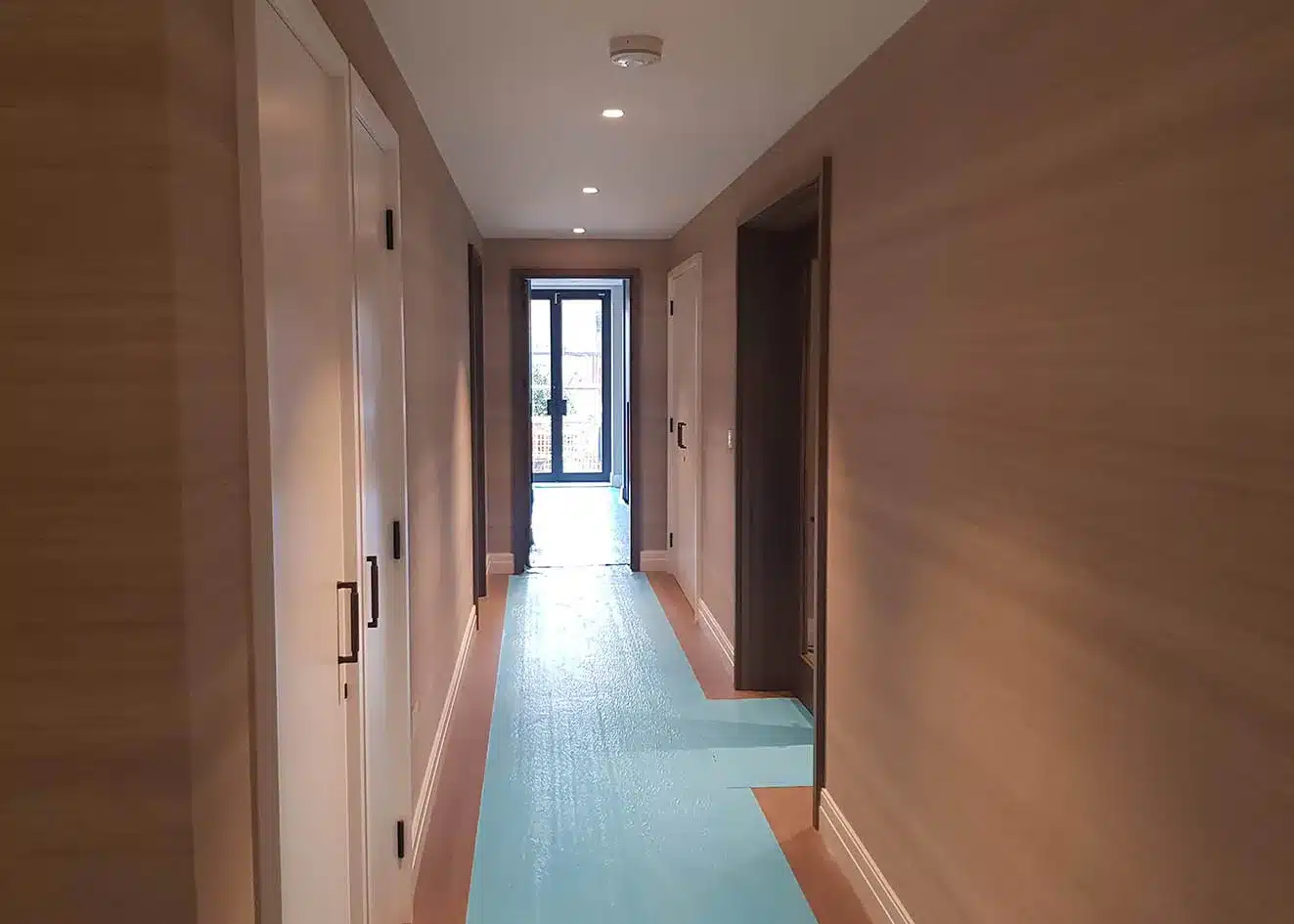
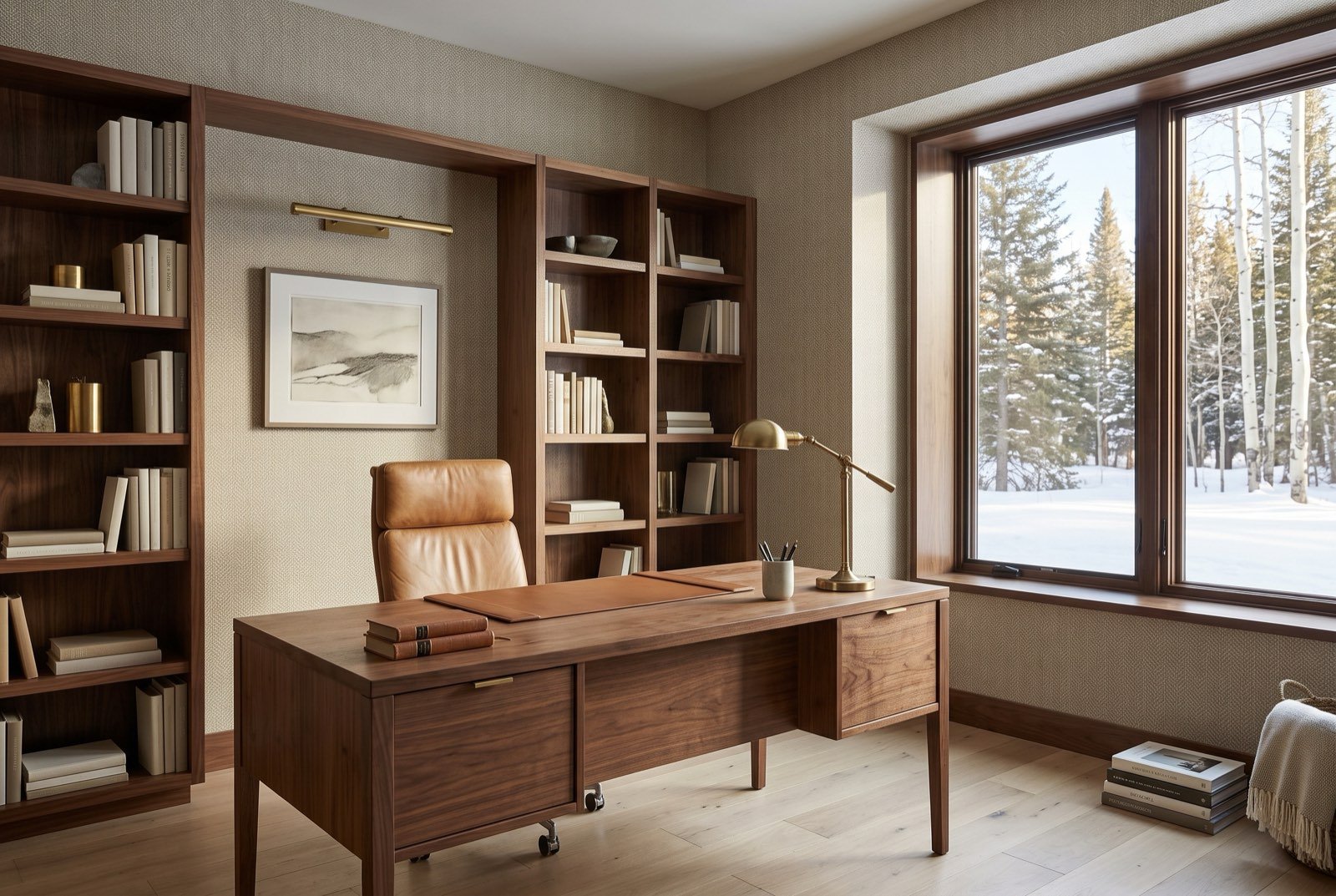
Grasscloth, hallway
Where it comes from
The house sources its raw materials from around the world, and artisans weave the natural faces by hand. The panels are inspected and laminated to paper at the house's mill in Japan. The house does not publish the town, so the map marks the country. From there the goods reach Fairfield, New Jersey, where the house keeps its headquarters and its warehouse. A stocked bolt then travels to Utah by parcel carrier, arriving through your designer's trade account or, on a commercial job, through the contractor. Vinyl and made-to-order lines may ship from the mill or the print floor instead.
The last leg is ours. The house requires the material to be stored at occupied-building temperature and humidity for at least three days before installation. We meet that by resting the bolts, flat, in the home itself, and the bolts are checked against the order before anything is cut.
The savoir-faire
The house describes the making of its naturals in stages. Artisans harvest and prepare the raw material, weave each panel by hand, and inspect it. The panels are then laminated to fine paper at the mill in Japan, inspected again, and packed. For its Harbor Hemp the house adds one more stage: the fibre is washed with colour before it is woven.
The house publishes no single step-by-step account of Manila Hemp, so the sequence our crew follows is assembled from its own descriptions of its naturals. What it explains is the wall. Each roll is unique, because the fibres vary in colour, size, and texture, and that is why the house asks the installer to shade the strips before they are hung.
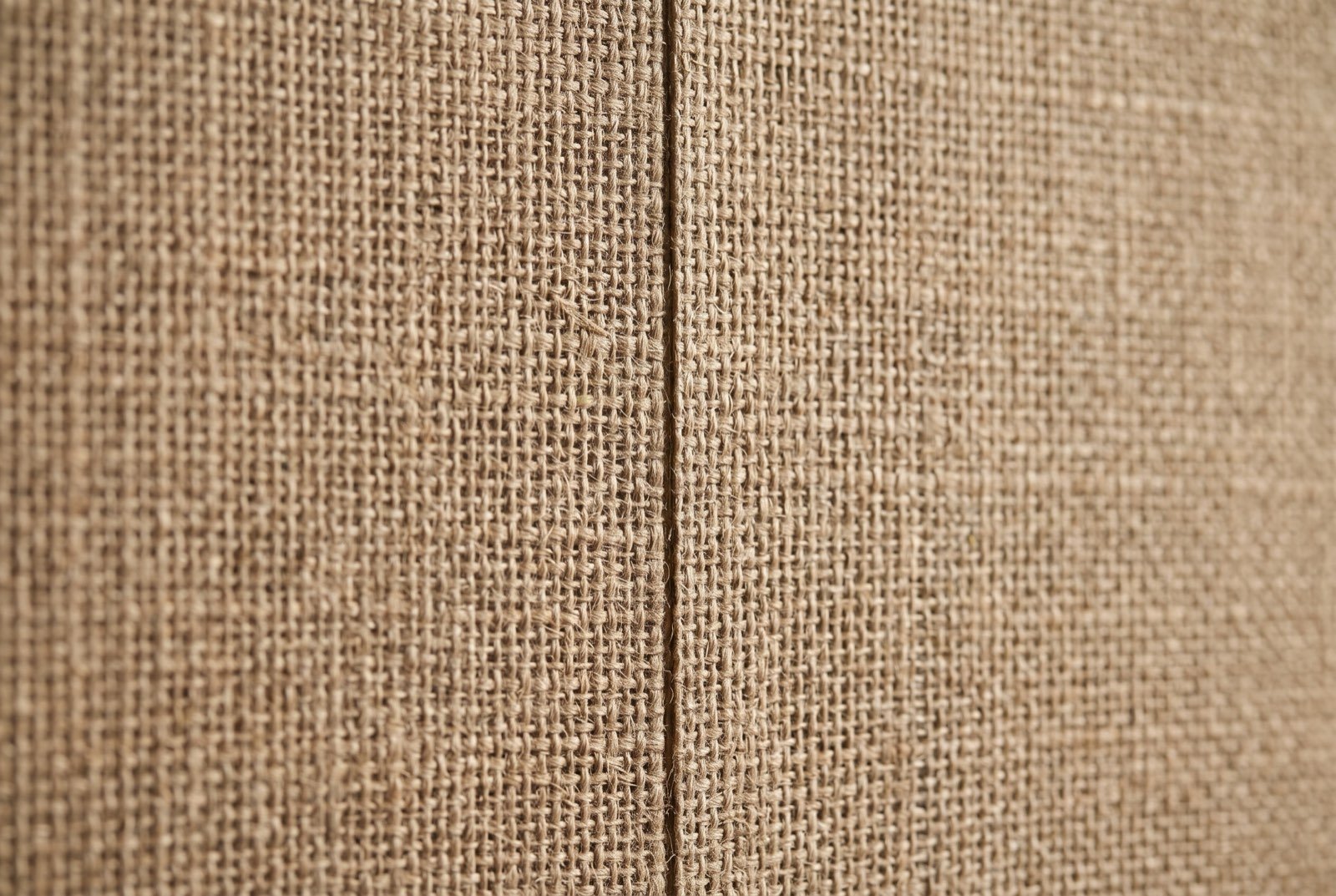
Whistler Weave in Northern Summit, shown in a study
What arrives on the job
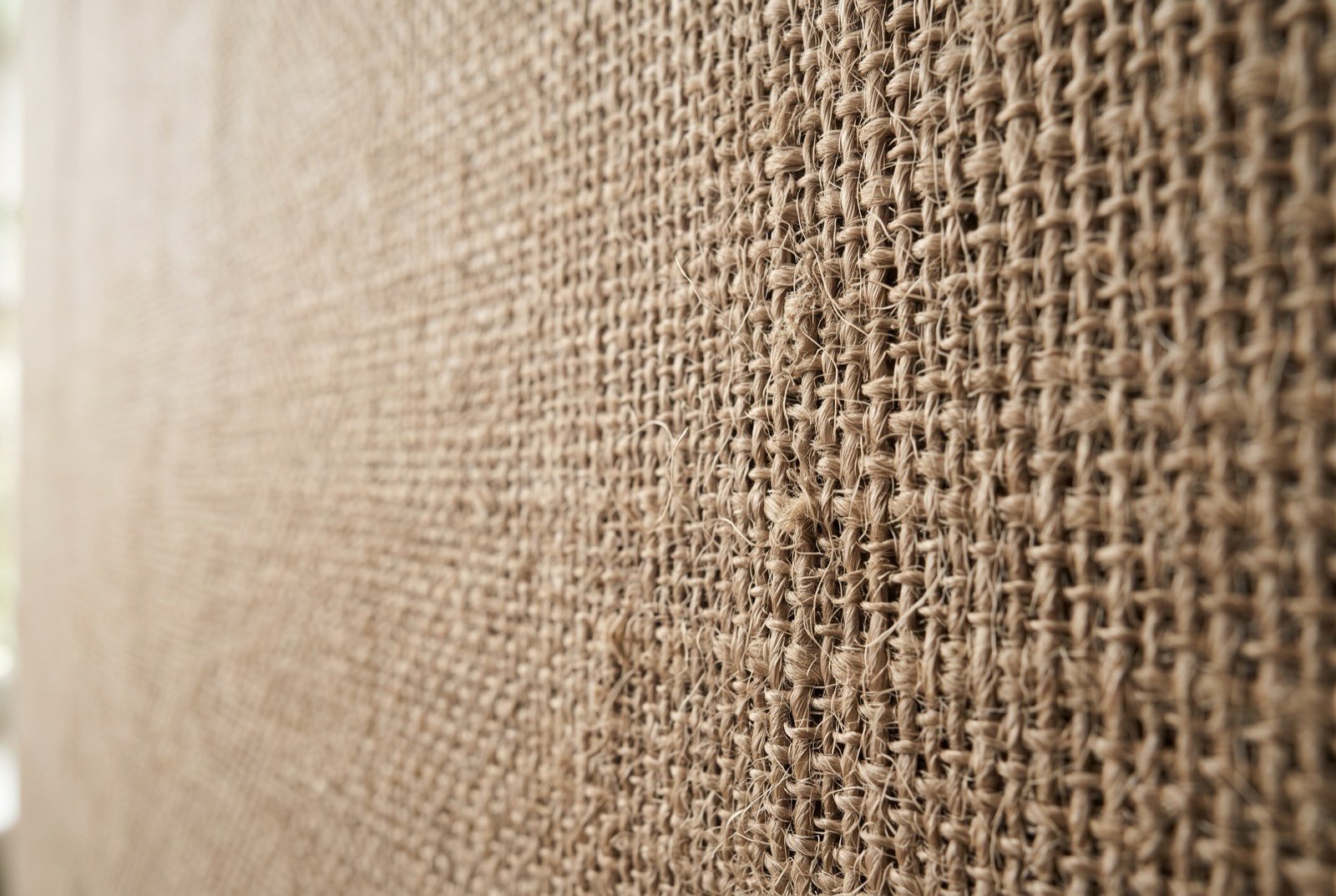
A Phillip Jeffries natural is two things laminated together: a face woven by hand, and a paper backing. Manila Hemp is the collection's name: a hand-woven natural face, which the house's specification sheet lists as sisal, laminated to paper at the house's mill in Japan. The paper is the only layer that should ever meet the paste. Paste or water on the face changes the colour of the fibre.
 01
Hand-woven natural
A hand-woven natural face, which the house's specification sheet lists as sisal, laminated to paper. Pre-trimmed at 36 inches, with no repeat. Level III on the house's seaming scale.
 02
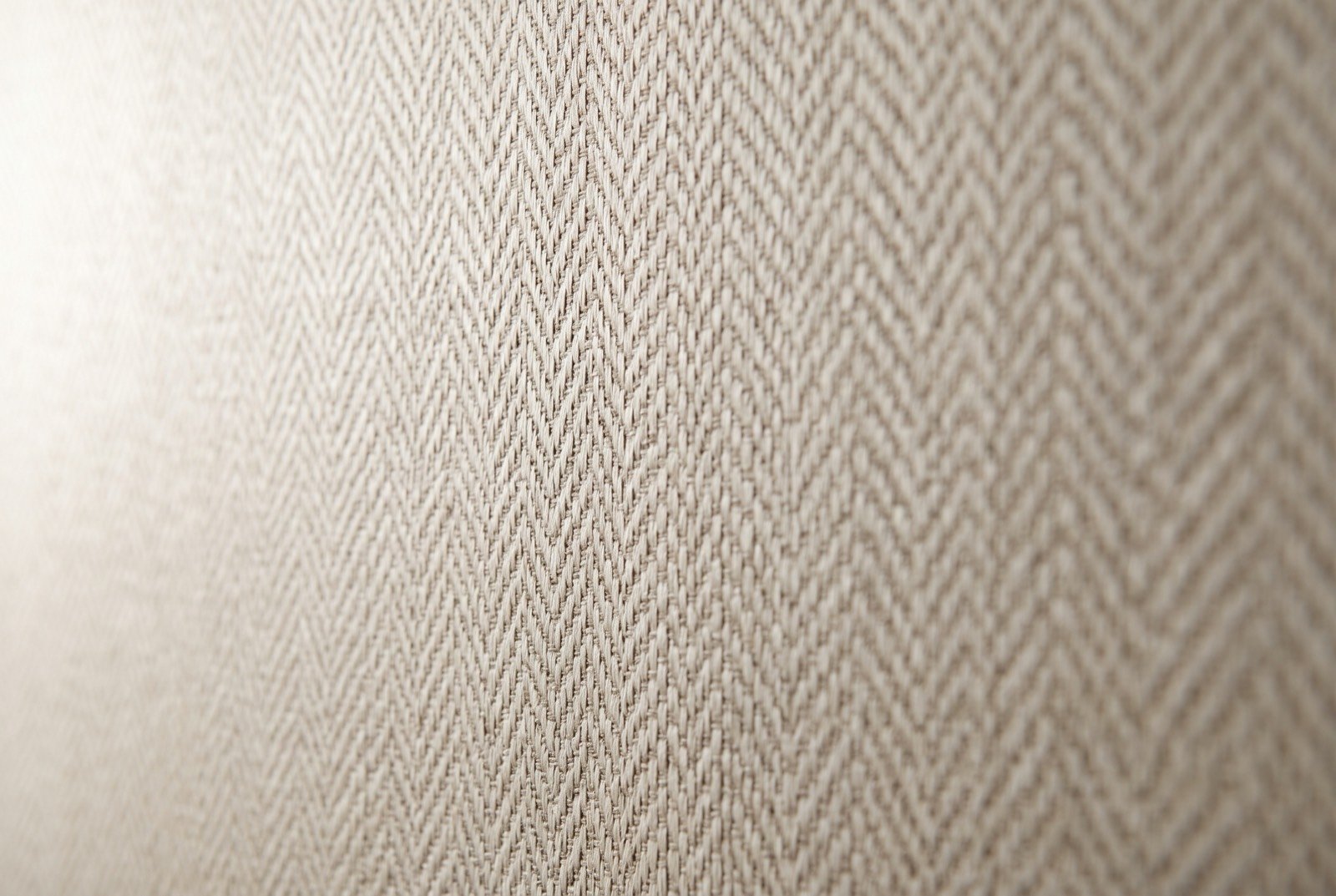
Japanese paper weave
Paper coloured before weaving. A paper weave with a small repeat, it carries its own sheet. Level I, Virtually Seamless, on the house's seaming scale.
 03
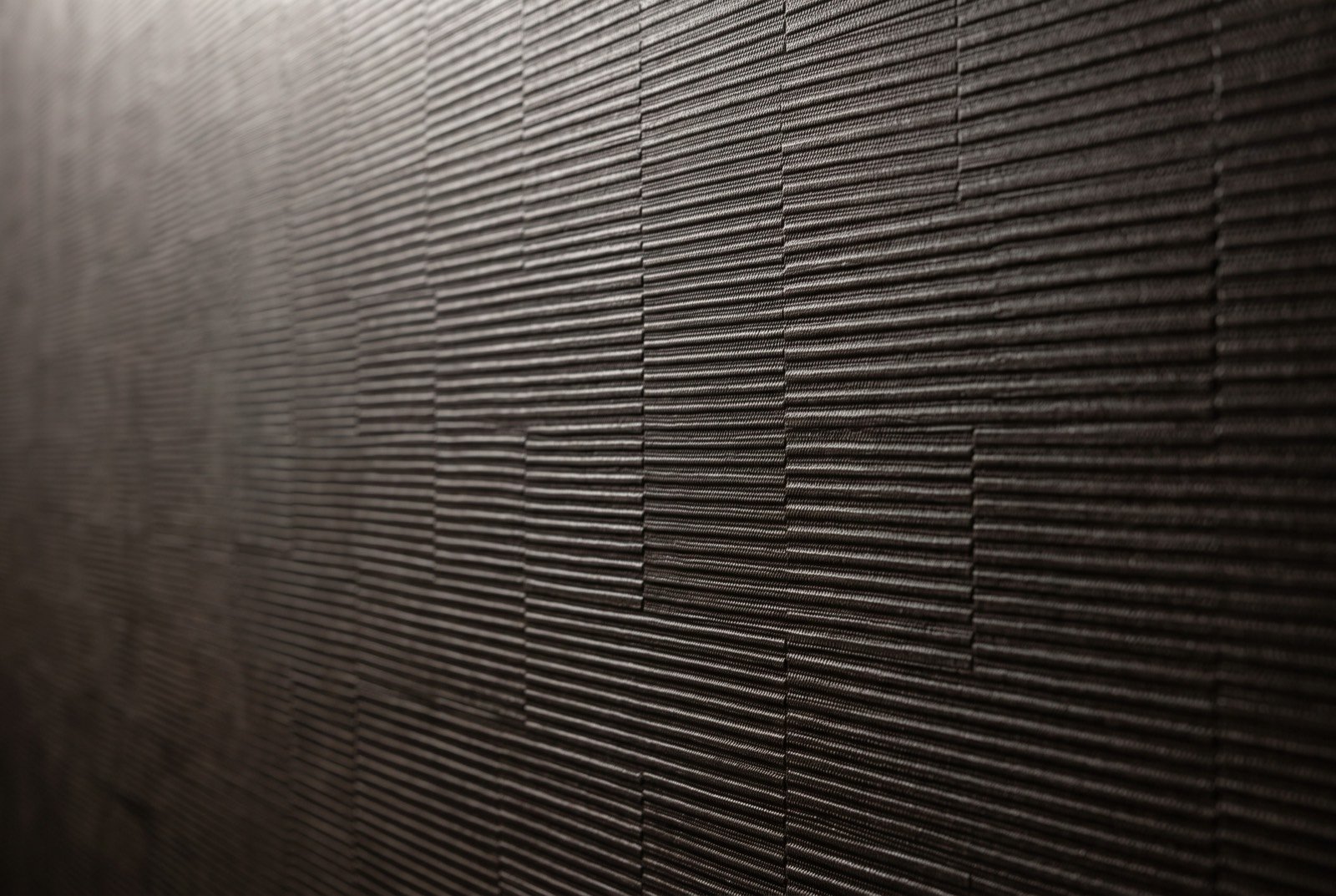
Type II vinyl
The vinyl lines are a different construction: Type II vinyl, embossed and inked to the look of the house's naturals. They arrive untrimmed and take a heavy-duty clear vinyl adhesive.
The weaving explains the shading. The house asks the installer to cut strips from two bolts and shade them light to dark before anything goes on the wall, reversing a strip where that evens the shading. It also asks for an inspection after three strips: look, and only then continue. Those three rules, paste to the paper, shade before the wall, inspect at three, are the craft translated into the installation.
What they are known for
Seven families from one catalogue. The name on the bolt decides the paste, the seam, and the cleaning.
| Line | Material | Backing | Rooms | At the wall |
|---|---|---|---|---|
| Manila Hemp | A signature collection and the house's most versatile grasscloth, in more than 60 colourways: a hand-woven natural face, which the house's specification sheet lists as sisal. | Paper | Primary suites, dining rooms, studies, corridors | Clear pre-mixed vinyl adhesive to the paper. Strips from two bolts shaded first. Plastic smoother, no seam roller. |
| Grass Roots | A stocked grasscloth in colour and shine; the specification sheet lists seagrass. | Paper | Bedrooms, dens, hallways, dining rooms | Same discipline as Manila Hemp: face kept free of paste and water, strips shaded, one strip at a time. |
| Japanese Paper Weaves | Paper coloured before weaving, from banana weaves to pinpoint textures; more than ninety textures in stock. Whistler Weave, a paper weave with a small repeat, carries its own sheet. | Paper | Rooms wanting a near-seamless woven read; ceilings | Reverse-hung as needed to minimise shading. Never any water on the face, even for cleaning. |
| Natural Illusions Vinyl | Type II vinyl, embossed and inked to the look of the house's naturals: hemp, sisal, linen, washi. | Osnaburg fabric; varies by line | Baths, mudrooms, kitchens, corridors, hospitality, healthcare | Heavy-duty clear vinyl adhesive. Untrimmed: table cut or double cut on the wall. Alternate strips reversed on unmatched textures only, never on a matched pattern. |
| Beyond, a digital mural | Horizontal brushstrokes digitally printed on natural grounds, Manila Hemp among them. Sold by the eleven-foot panel, four at the least. | Paper on the Manila Hemp ground | Great rooms, powder rooms, feature walls | Panels are numbered one to four and hung in sequence from the house's panel map. Untrimmed: each panel is table-trimmed on the printed trim line. The face is kept free of paste and water, smoothed with a plastic smoother, never a seam roller. |
| Metallic Leaf | Authentic gold, silver and copper leaf applied by hand to a paper backing. | Paper | Powder rooms, bars, dining rooms, ceilings | The Metallic Leaf sheet governs. The house advises lining paper beneath a metallic sheen. Our own standard adds a Level 5 wall, gloves throughout, and a seam plan set against the room's light. |
| Textiles and specialty faces | Silken Streams, a silk-like polyester textile with metallic accents; Soft Surrounds, the acoustic line; Burled Chevron, a poplar wood veneer. | Non-woven on Silken Streams; by line otherwise | Media rooms, offices, powder rooms, feature walls | Where the house publishes a sheet for the line, that sheet governs; the tear sheet and the specification sheet are read before the order. |
Reading the tear sheet
Phillip Jeffries publishes no key to its item numbers, and we do not read one into them. What the house's site shows is simple: one number identifies one colourway of one line. 5280 is Manila Hemp in Putty; 7203 is Beyond in Heaven on Manila Hemp, where the colour name carries the ground. Numbers within a line are not contiguous, so the number is read from the order, never inferred from its neighbour.
The tear sheet is where the installation begins. It states the availability, the width and whether the edge is pre-trimmed, the bolt size, the repeat, and the seaming level on the house's three-level scale: Level I, Virtually Seamless; Level II, Subtle Seaming; Level III, Panels Beautifully, where each panel can be seen individually. Manila Hemp is Level III by the house's own rating, which is why the seams are placed before the first cut.
If you are new to the house
Homeowners and designers who want a natural texture rather than a printed pattern: a wall that reads as one warm surface with the light moving across it. It is the house to reach for when the room needs depth without a motif.
In a designer's studio and in the house's trade showrooms. Samples come through your designer, or as a guest request on the house's site. A full bolt reads differently from a swatch, and we say so at the measurement.
Exclusively to the trade. Your designer orders on their account, or a representative places it; stocked lines ship from New Jersey within a day or two. Manila Hemp and Grass Roots come by the eight-yard bolt, 36 inches wide, pre-trimmed, no repeat. Paper weaves come by the twelve-yard bolt. The tear sheet for the pattern is the authority. Mancini does not sell or source it; our work begins when the bolts arrive.
The material comes through your designer. Send the pattern name and the room, and the quantity follows from the measurement.
The wall, before and after
Drag the line. The house's sheet assumes a wall that is structurally sound, sealed, and primed with a pigmented wallcovering primer.
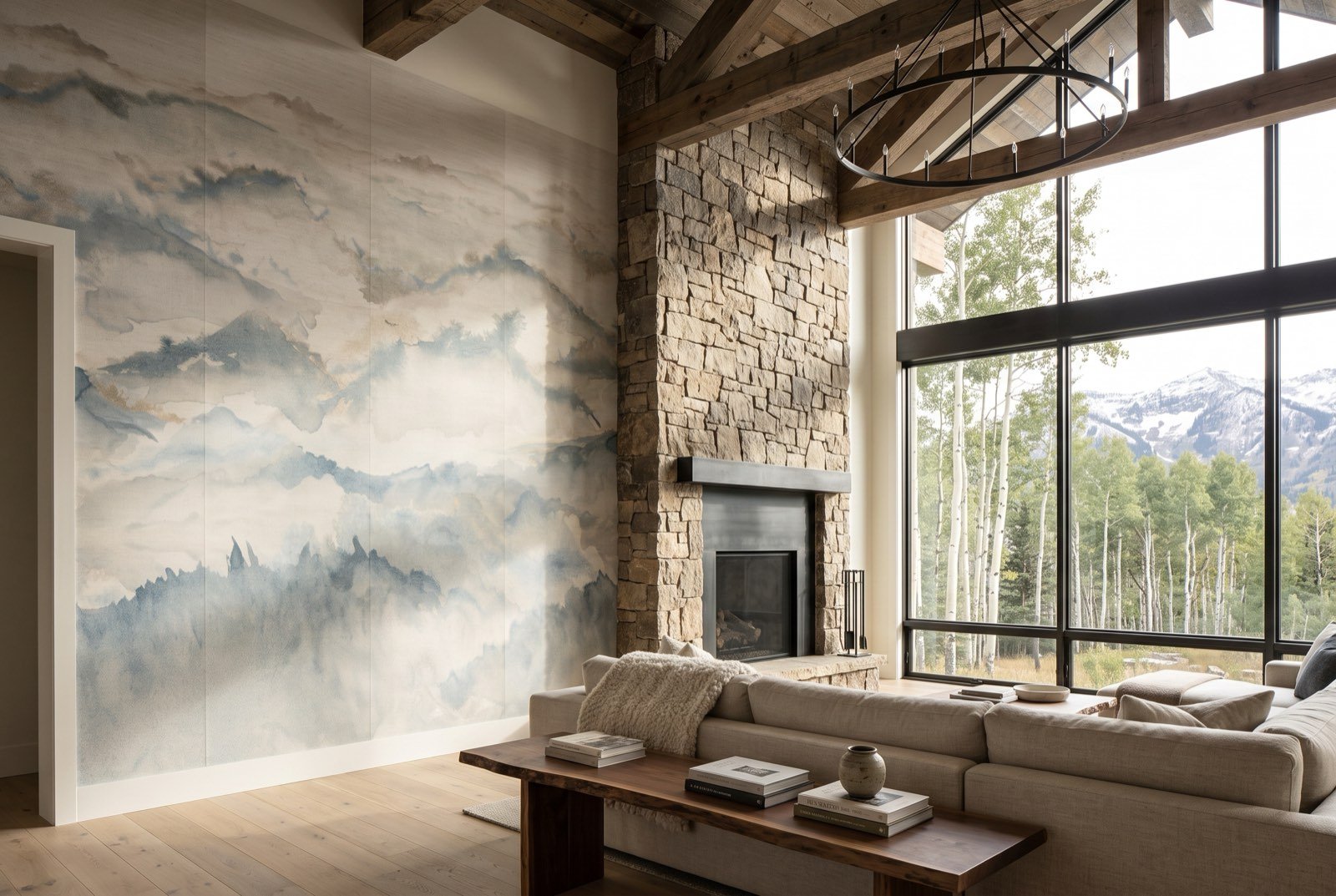
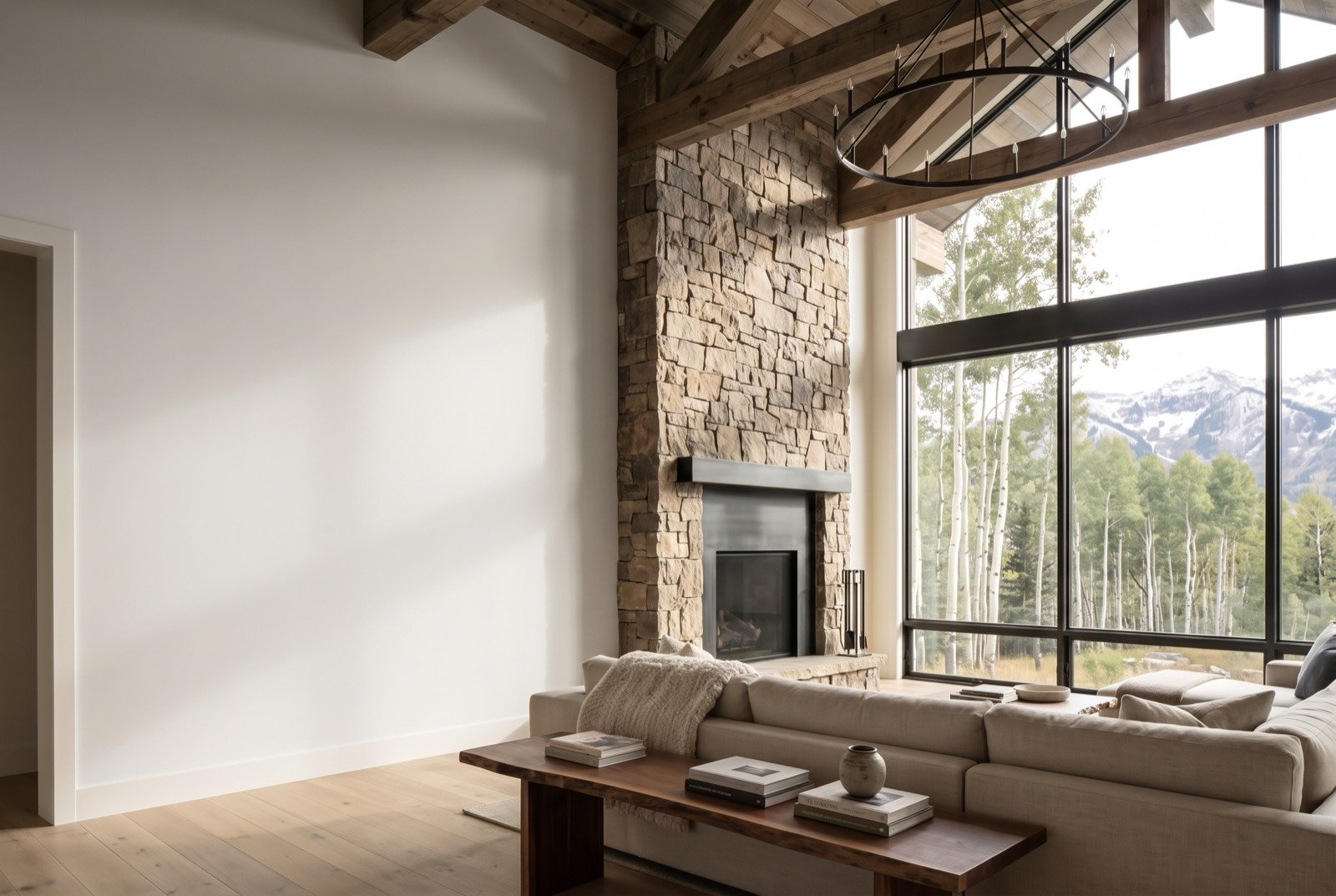
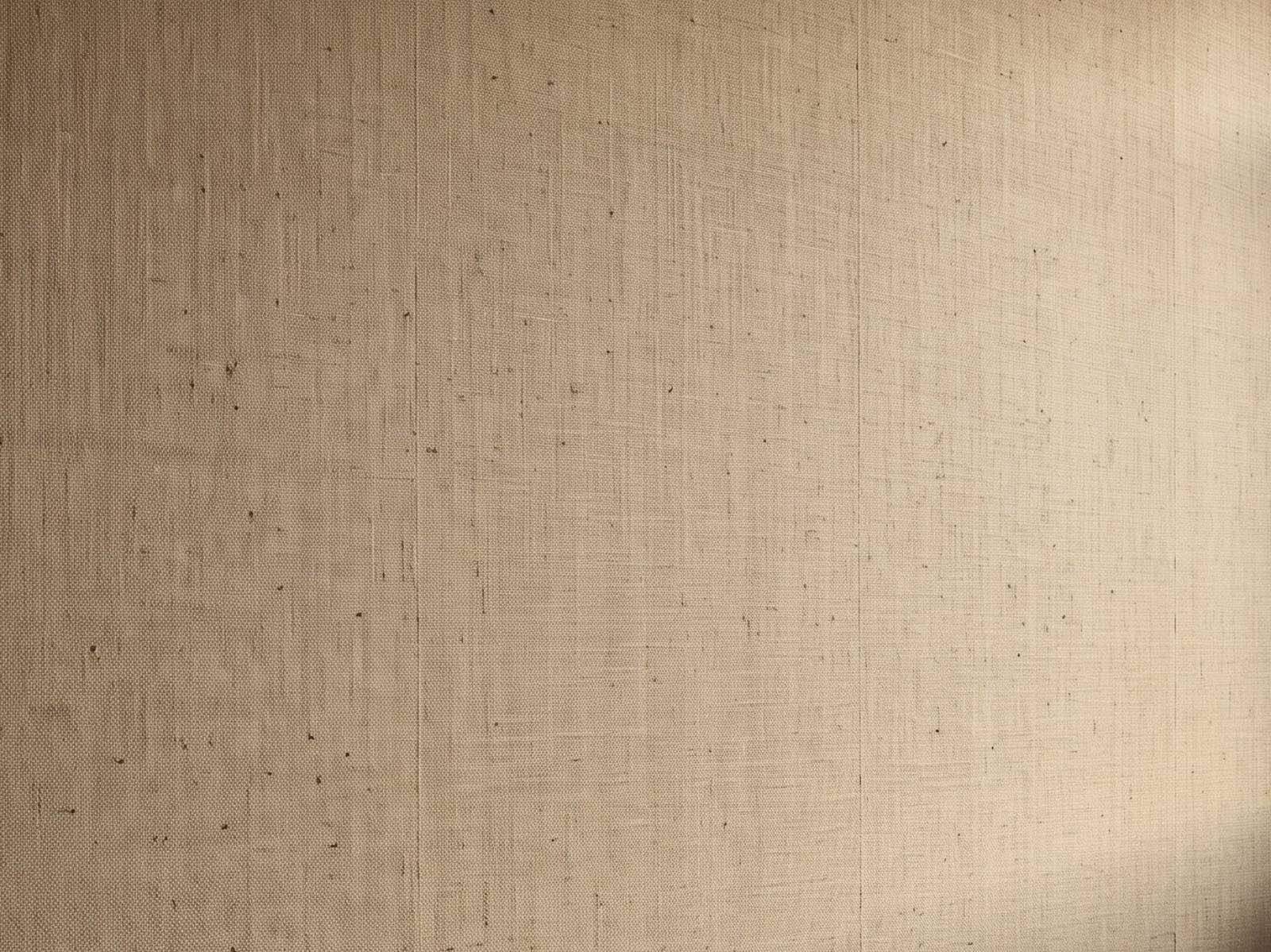
Beyond in Heaven on Manila Hemp, shown in a great room
Installed to their specification
Phillip Jeffries publishes its hanging sheets line by line. These are the rules that matter most in a Utah house.
Two rules on the sheet decide more than any other. The first is the three-strip inspection: the material is inspected after three strips are installed, and the installation continues only if it reads right; the house allows no claim for more than three strips on the wall. The second is the building condition: the house asks for temperature and humidity the same as those of an occupied building for three days before, throughout, and three days after the installation, and for the material to be stored in those conditions for at least three days beforehand. In a mountain house in January that is not a formality: the heating, the humidity, and the storage are confirmed before a bolt is opened.
Everything else follows from the construction: paste to the paper, face kept free of paste and water, strips from two bolts shaded before the wall, one strip pasted, trimmed, and hung at a time, blades changed often. The quantity comes from our measurement, the product from your designer.
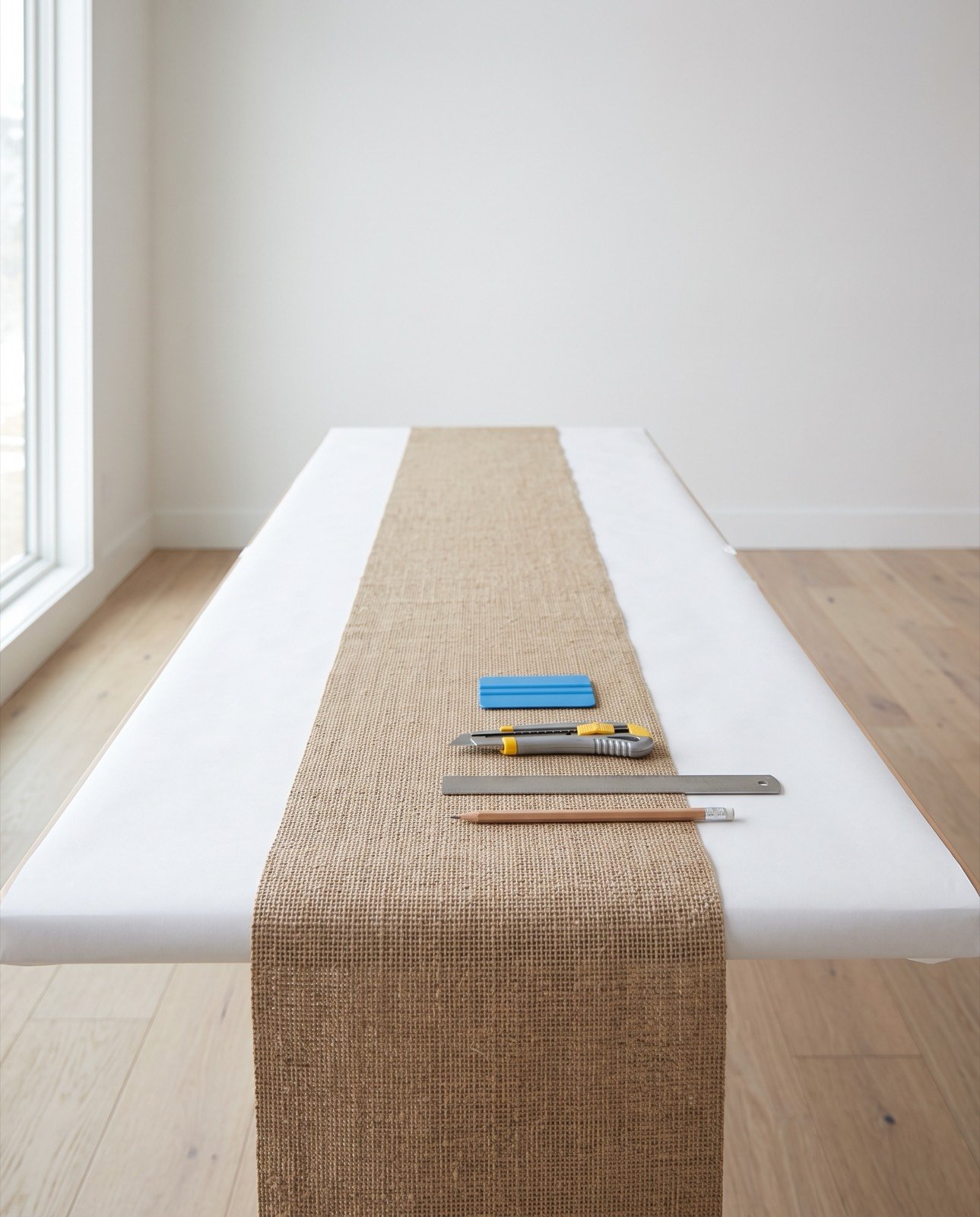
The Mancini standard
Whichever house is on the roll, the work follows one sequence. It is the reason the wall reads as the designer drew it.
A member of our team walks the space and measures every wall. Fractions of an inch round up, heights round up to the next half-foot, and each wall gains three inches per side.
The bolt count comes from the measurement, the repeat, and the bolt's yield. The written proposal shows the arithmetic.
The tear sheet, the specification sheet, and the hanging sheet are read before the first cut. One room, one dye lot.
Four crews and twelve trained installers. The match is set at the table, every seam is butted, and the rolls rest in the room before anything is cut.
The designers who specify it here
Phillip Jeffries sells to the trade only, so every one of its walls begins with a designer, a design retailer, or a contractor's order.
Phillip Jeffries reaches a Utah wall through a design studio, through a contractor on commercial work, or through a homeowner working with a designer or a design retailer. We name a designer here only with their written consent.
The house, on the wall
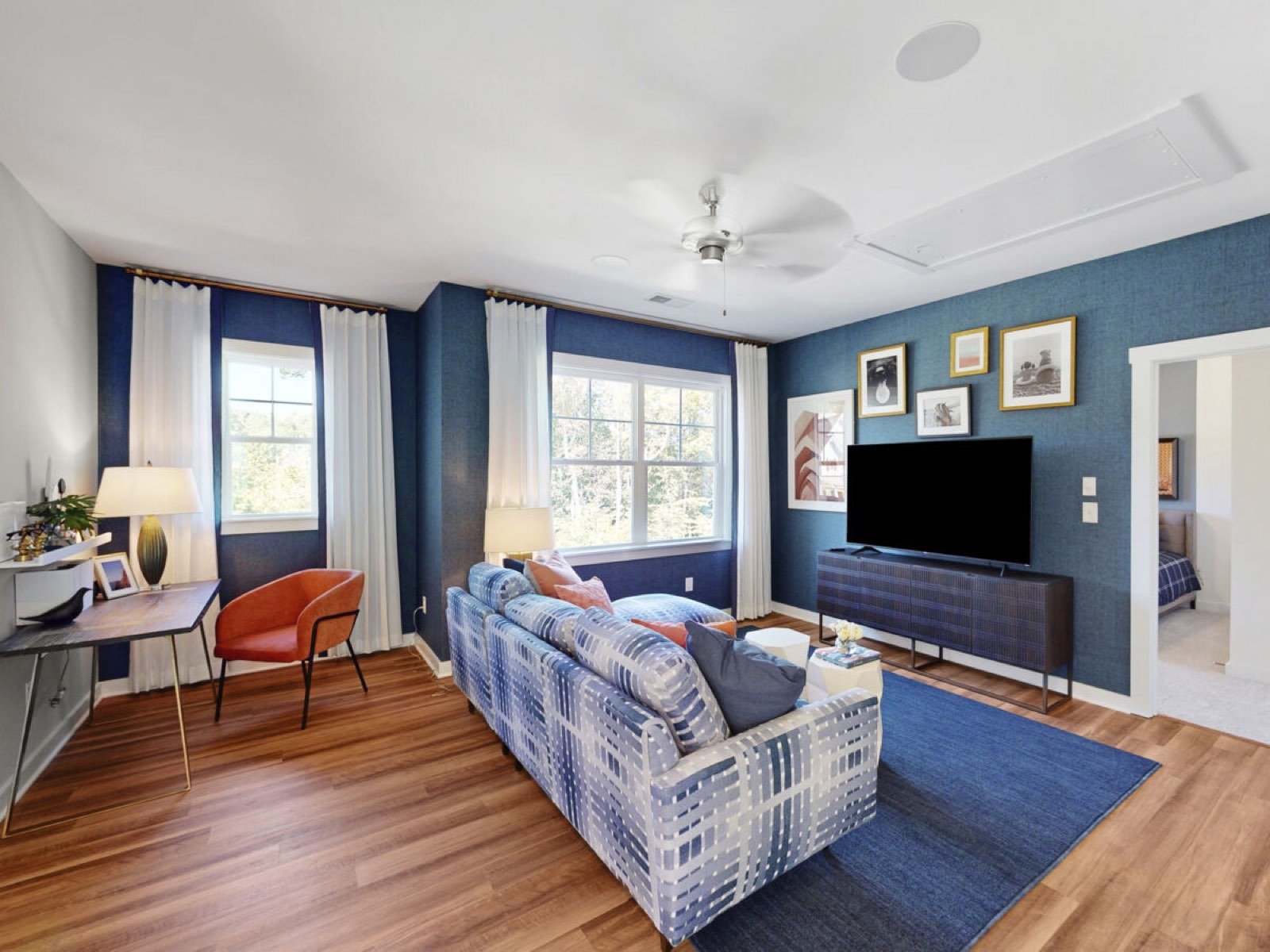
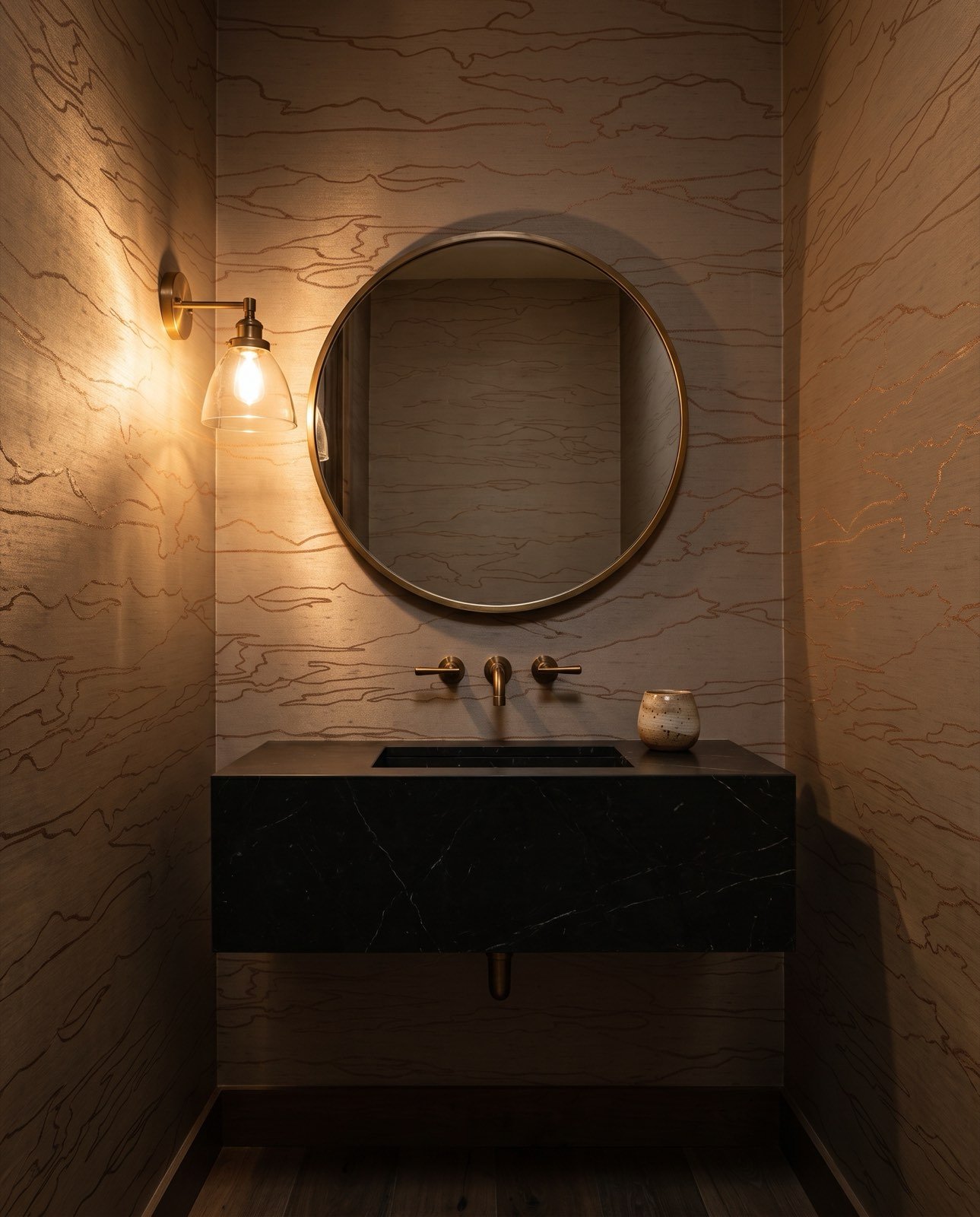
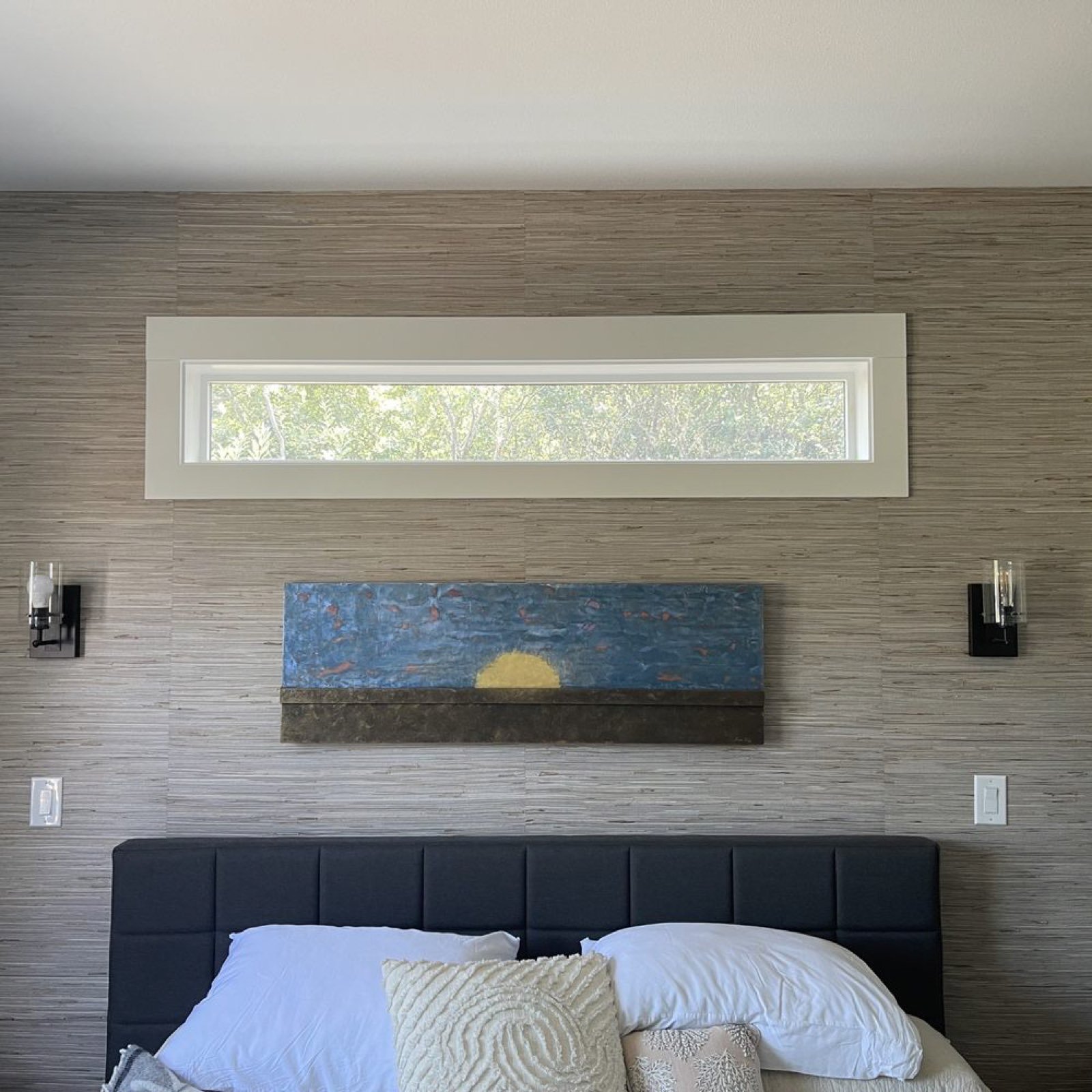
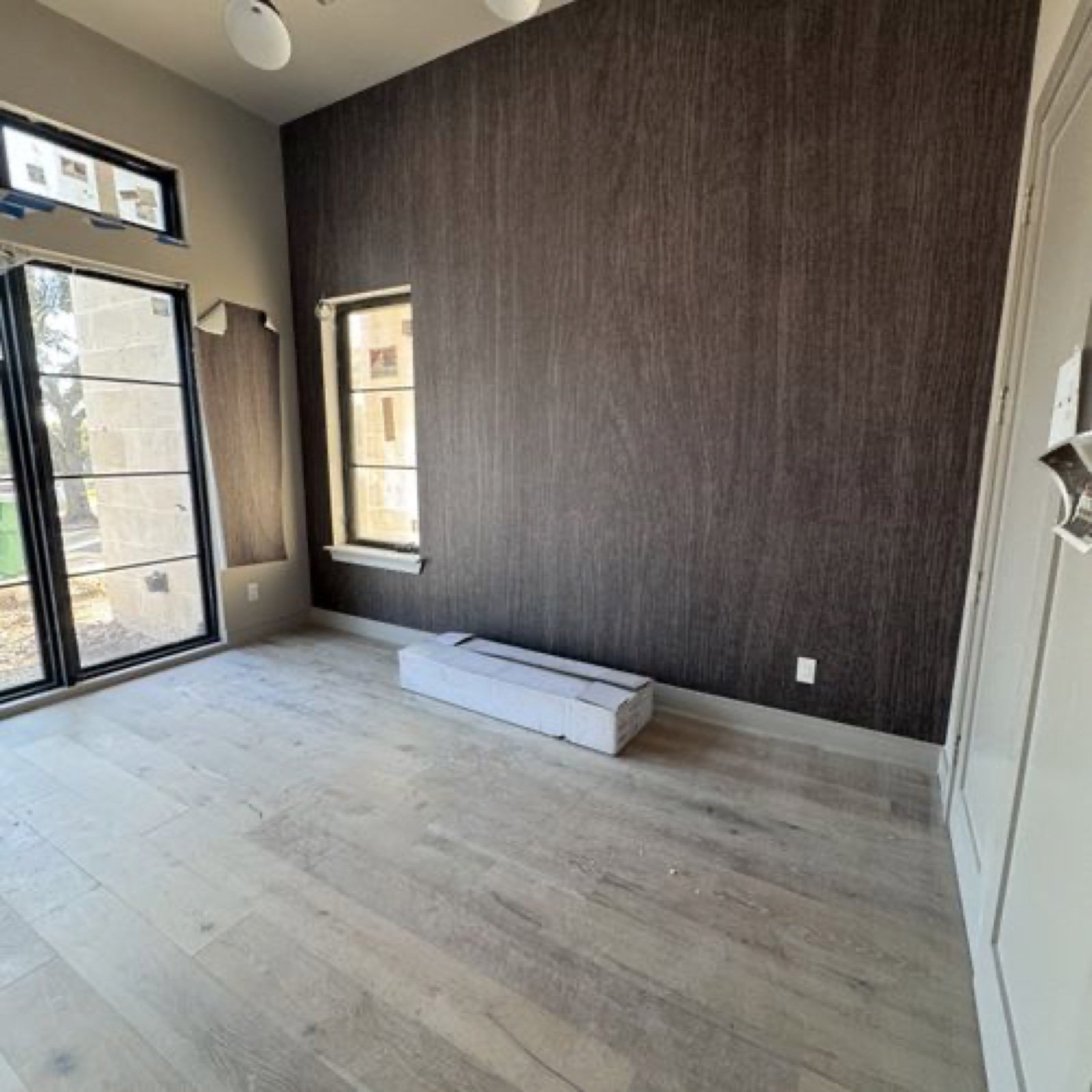
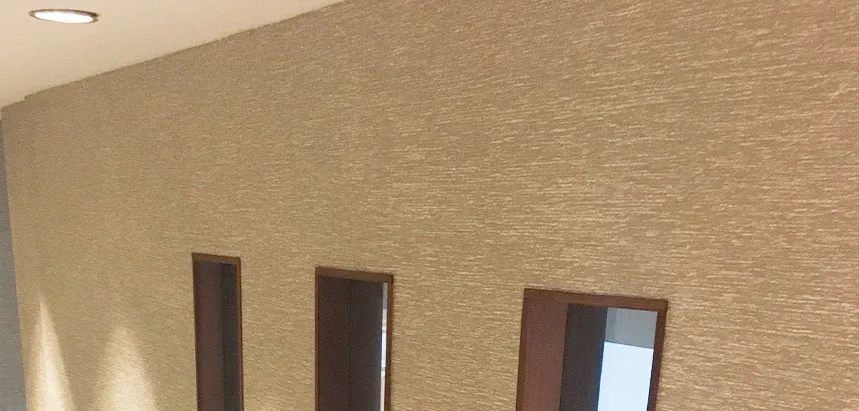
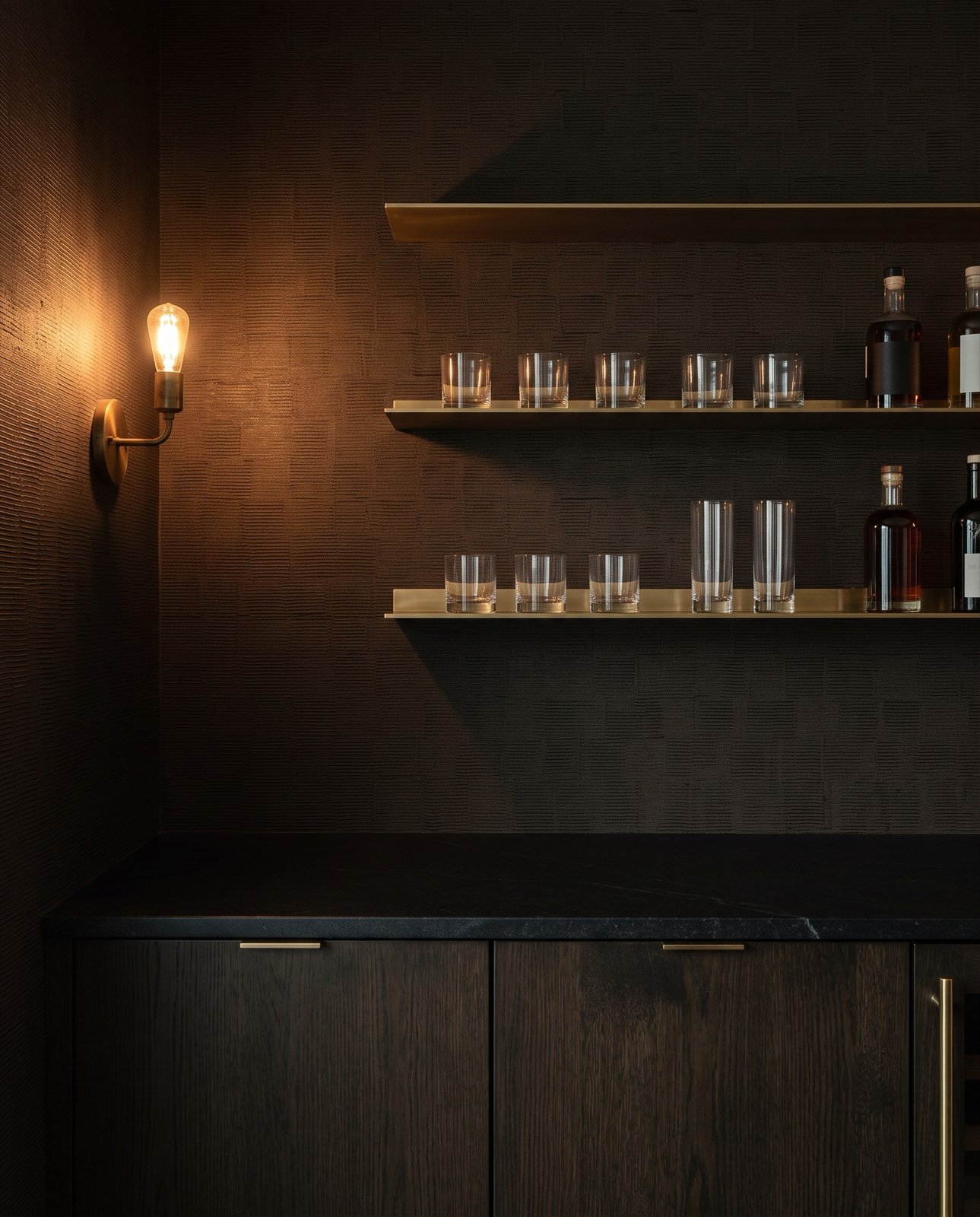
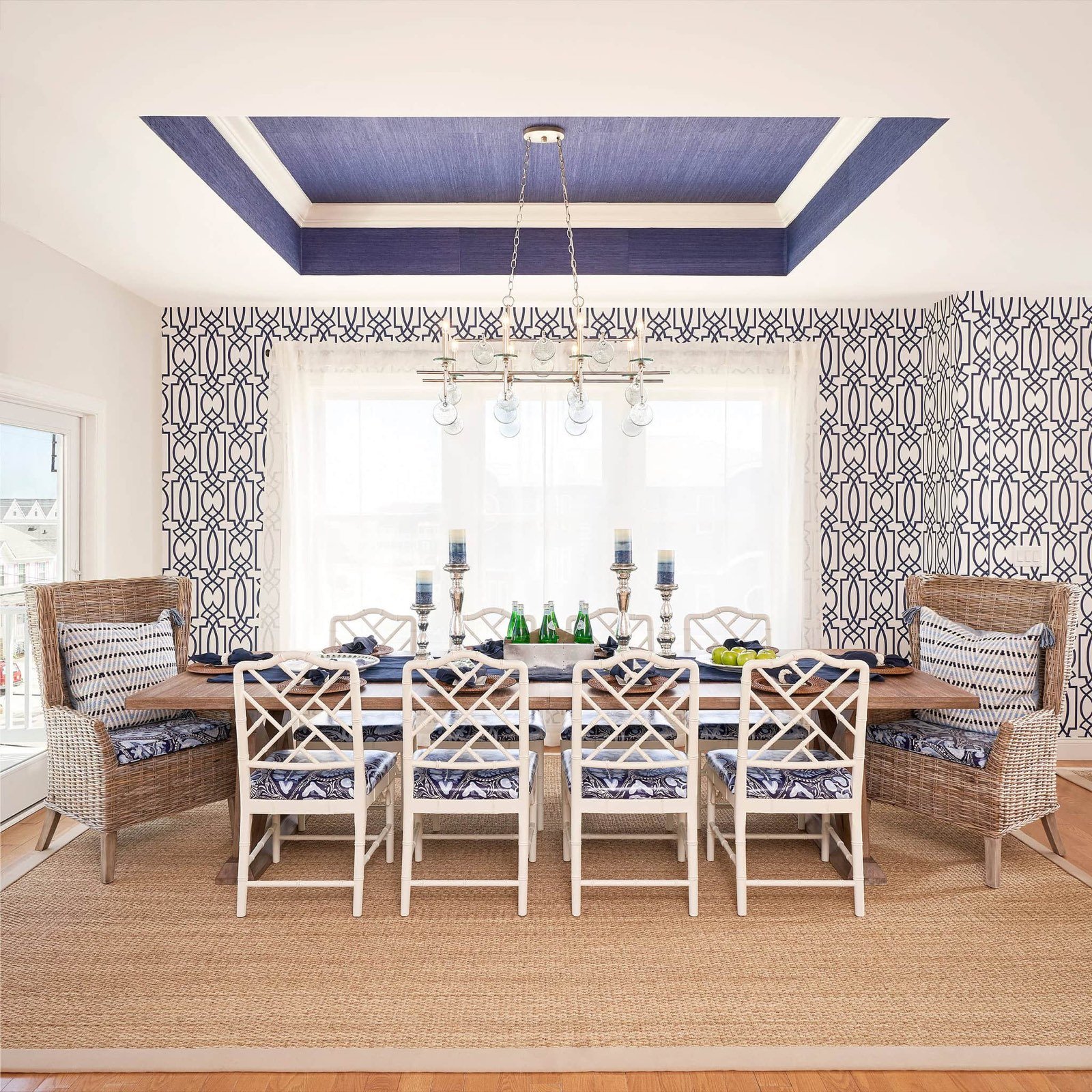
Manila Hemp in a primary suite, vinyl on a bar wall, a digital mural across a great room: whichever line is on the bolt, it is installed to the sheet the house publishes for that line.
Materials we install from Phillip Jeffries
The name on the bolt tells us which set of rules to bring. Each of these pages goes deeper on the material itself.
Manila Hemp, Grass Roots, sisal, and raffia. Dye-lot mapping, seam choreography, a sealed substrate, and dry-climate acclimation.
Material pageThe Natural Illusions lines: Type II vinyl embossed and inked to the look of the house's naturals, for walls that take contact and water.
Material pageBeyond and the digital lines printed on natural grounds. Panels numbered one to four, hung in sequence from the house's panel map.
Material pageMetallic Leaf: gold, silver and copper leaf applied by hand to a paper backing. Our standard: a Level 5 wall, gloves, and a seam plan set against the light.
Material pageSilken Streams, a silk-like polyester textile on a non-woven backing, and Soft Surrounds, the acoustic line. Each is hung to what the house publishes for it.
Material pageVeneer, cork, and shell faces such as Burled Chevron. Each with its own adhesive and its own rules, distinct from paper.
Material pageThe wall the house's sheet assumes: structurally sound, sealed, primed with a pigmented wallcovering primer, and flat enough for a natural face.
Material pageDesign house and manufacturer names referenced on this page are the property of their respective owners. They identify materials we install and completed project history. Mancini Wallpapers holds no partnership, certification, or endorsement from any house named, and installs every product to the instructions its manufacturer publishes.


