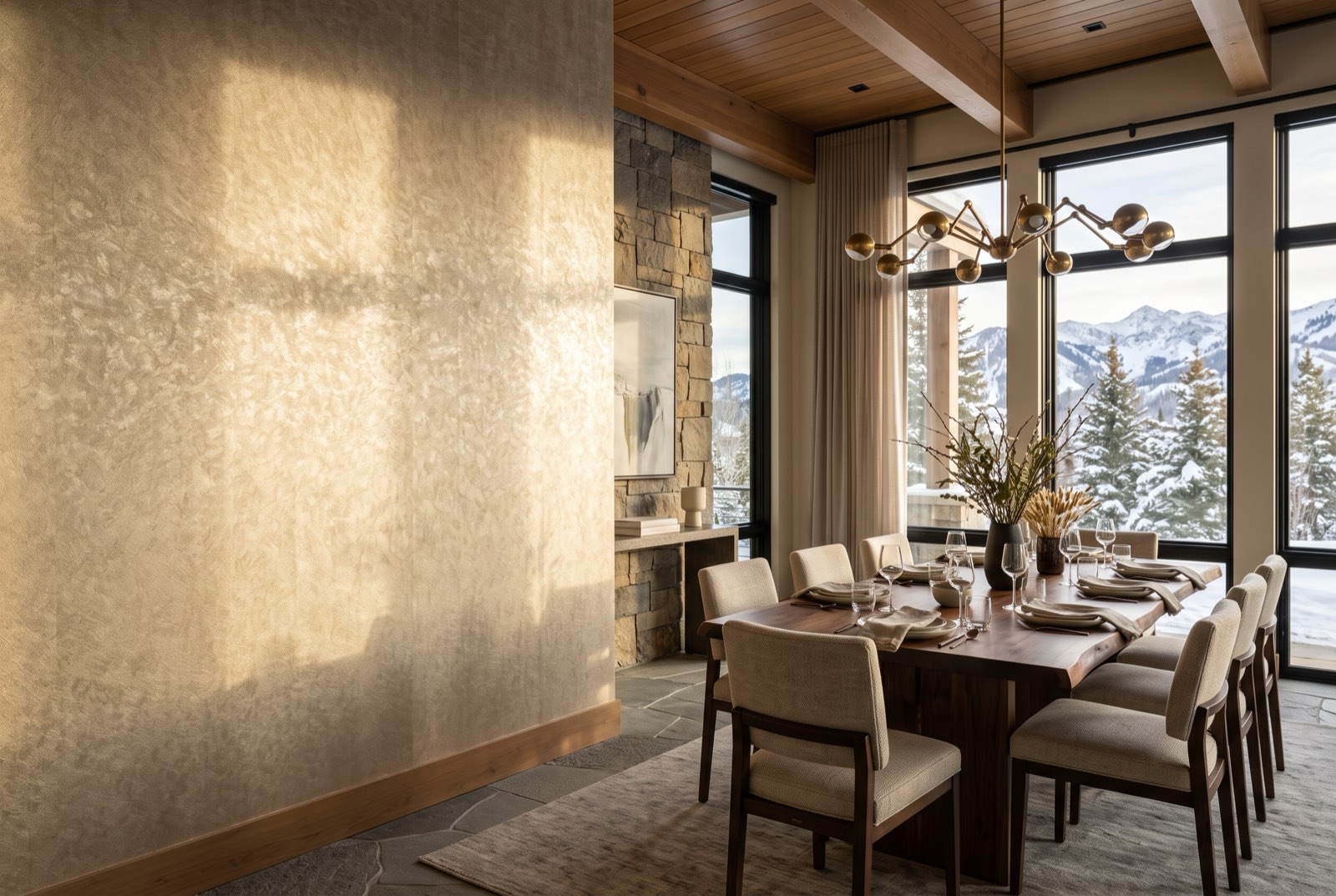
Champagne mica wallcovering across a dining room in raking afternoon light, Park City, Utah
Park CityUtahMetallic

Material · Metallic, foil, and mica

Metallic, Foil, and Mica Wallcovering Installation in Park City and Across Utah

Foil, mylar, mica, metallic leaf, and beaded surfaces, installed to the specification each house publishes. Level 5 walls lit at a raking angle. Gloves throughout. Seams planned against the room's light. Installation-only, headquartered in Park City.

What metallic is

The surfaces that move light around a room

Reflective wallcoverings: metal foil laminated to paper, mica flake in a coating, mylar film, gilded leaf, and glass-bead surfaces. They move light around a room like nothing else we install. A powder room with one sconce reads as if it had four.

They also reflect every wave in the wall beneath them and hold every fingerprint that touches the face. A foil installed over a painter's finish shows the joints as bands of light. A foil touched with a bare hand keeps the print. The material is unforgiving in exactly the ways that make it beautiful.

Metallic, foil, and mica are specified across Park City and Deer Valley for powder rooms, dining rooms, bars, and ceilings, and in retail and hospitality work along the Wasatch Front, and they are installed by the same crews that carry our silk and grasscloth work.
Metal foilMylarMicaGold and silver leafGlass beadMetallic grassclothPearlescentBrushed metal
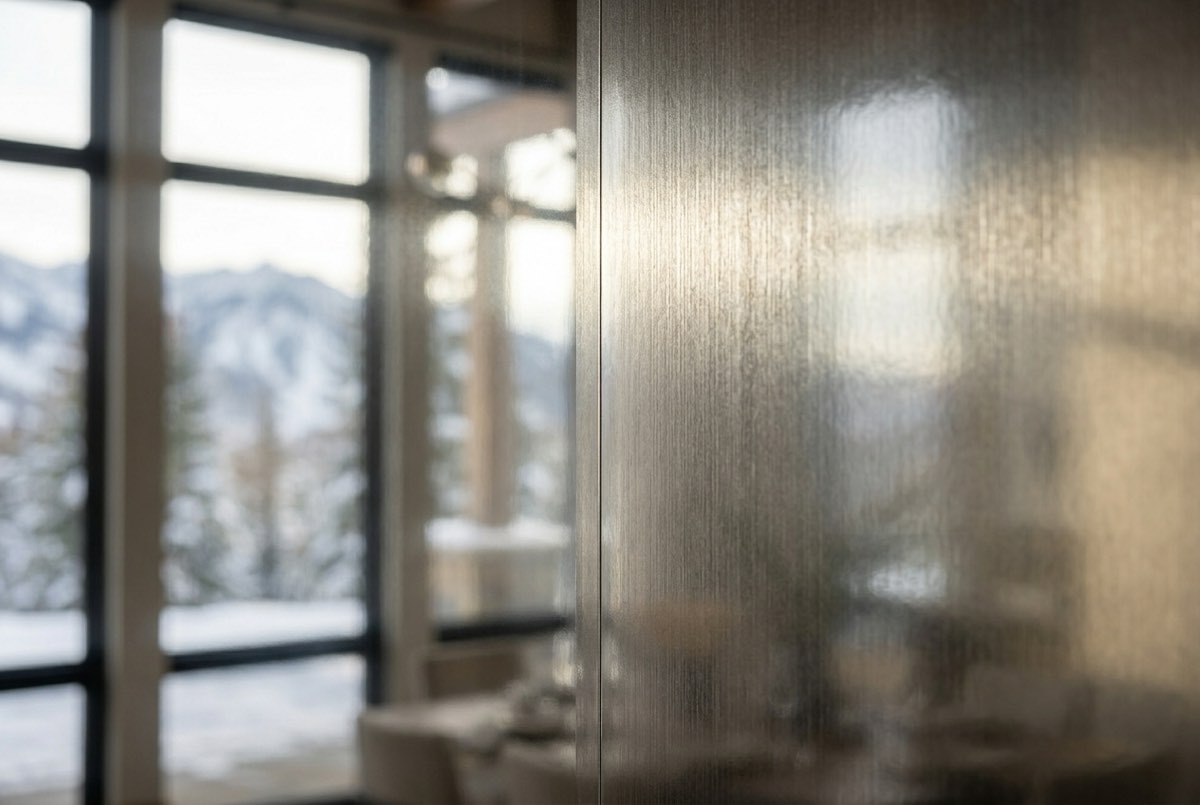
Silver foil wallcovering detail with a brushed grain and a butted seam in raking light, Park City, Utah

Four reflective surfaces

Foil, mica, leaf, and bead, and what each one reports about the wall

The word metallic covers four different constructions. A foil is a thin aluminium laminate on paper, mirror-flat, and it reports every wave beneath it. Mica is mineral flake suspended in a coating, a soft shimmer that forgives the wall almost entirely. Leaf is gold, silver, or a base metal laid by hand in squares on size, and the squares read in raking light. Beads are glass set in adhesive, and they are never rolled.

What they share is a backing that takes the paste and a face that is the only part the room sees. What separates them is how much the wall beneath reports back through the face, and that decides how the substrate is prepared and how the seams are planned.

  • Foil and mylar: non-breathing faces; paste cures through the backing only
  • Mica and pearlescent coatings: the most forgiving of the group, and the most used on large walls
  • Leaf and bead: handled in gloves, seams set by hand, never rolled
Cross-sections of four reflective wallcoverings: metal foil, mica coating, gilded leaf, and glass bead, each on its backing Metal foilMicaGilded leafGlass bead Aluminium laminate on paperMirror-flat · shows every waveMica flake in a coatingSoft shimmer · forgivingLeaf laid by hand on sizeSquares read in raking lightBeads set in adhesiveNever rolled · dust with care All four sit on a paper or non-woven backing that takes the paste, over a primer that is sealed. The face is the reflective layer, and it is the only part the room sees. What differs is how much of the wall beneath each one reports back: foil reports everything, mica almost nothing. Non-breathing faces (foil, mylar) cure slowly: the paste dries only through the backing and the wall. The schedule allows for it.Contact marks on foil and leaf are permanent. Gloves from the crate to the last smoothing pass. Level 5 · gloves · paste matched to the backing · seams planned for the light
Metal foilAluminium laminate on paper · mirror-flat · shows every wave MicaMineral flake in a coating · soft shimmer · forgiving Gilded leafLeaf laid by hand in squares on size · squares read in light Glass beadBeads set in adhesive · never rolled · dusted, never wiped All four: backing takes the paste, over a sealed primer.Foil reports everything about the wall; mica almost nothing. Level 5 · gloves · paste matched · seams for the light
Cross-sections of metal foil, mica, gilded leaf, and glass bead on their backings

Metallic guide

Eight surfaces, eight behaviours

Each reflective construction asks something different of the wall, the paste, and the light in the room.

SurfaceConstructionReflectivityShows the wall?Best roomsAt the wall
Metal foilAluminium laminate on paperMirrorEverythingPowder rooms, bars, ceilingsLevel 5 proven under a raking light. Gloves. Slow cure.
Brushed foilFoil with a directional grainHigh, directionalMostDining rooms, dressing roomsGrain direction kept consistent. Seams planned for the light.
MylarPolyester film, often printedHighMostFeature walls, ceilingsNon-breathing: paste matched, ventilation, long cure.
MicaMineral flake in a coating on paperSoft shimmerLittleDining rooms, bedrooms, corridorsThe most forgiving; still sealed and sequenced.
Gold and silver leafLeaf laid by hand in squares on sizeHigh, warmSome; squares read in lightPowder rooms, bars, ceilingsNever wetted. Squares aligned drop to drop. Seams set by hand.
Glass beadBeads set in adhesive on paperSparkleLittlePowder rooms, bars, dressing roomsNever rolled. Seams bridged, not pressed. Dusted, never wiped.
Metallic grassclothNatural fibre over a mica or foil groundShimmer through textureLittleEntries, dining roomsHandled as grasscloth: dye lots mapped, seams choreographed.
Pearlescent printMetallic ink on paper or non-wovenLow sheenSomeBedrooms, halls, hospitalityInstalled as a printed paper with a sealed wall.

Metal foil

Construction
Aluminium laminate on paper
Reflectivity
Mirror
Shows the wall?
Everything
Best rooms
Powder rooms, bars, ceilings
At the wall
Level 5 proven under a raking light. Gloves. Slow cure.

Brushed foil

Construction
Foil with a directional grain
Reflectivity
High, directional
Shows the wall?
Most
Best rooms
Dining rooms, dressing rooms
At the wall
Grain direction kept consistent. Seams planned for the light.

Mylar

Construction
Polyester film, often printed
Reflectivity
High
Shows the wall?
Most
Best rooms
Feature walls, ceilings
At the wall
Non-breathing: paste matched, ventilation, long cure.

Mica

Construction
Mineral flake in a coating on paper
Reflectivity
Soft shimmer
Shows the wall?
Little
Best rooms
Dining rooms, bedrooms, corridors
At the wall
The most forgiving; still sealed and sequenced.

Gold and silver leaf

Construction
Leaf laid by hand in squares on size
Reflectivity
High, warm
Shows the wall?
Some; squares read in light
Best rooms
Powder rooms, bars, ceilings
At the wall
Never wetted. Squares aligned drop to drop. Seams set by hand.

Glass bead

Construction
Beads set in adhesive on paper
Reflectivity
Sparkle
Shows the wall?
Little
Best rooms
Powder rooms, bars, dressing rooms
At the wall
Never rolled. Seams bridged, not pressed. Dusted, never wiped.

Metallic grasscloth

Construction
Natural fibre over a mica or foil ground
Reflectivity
Shimmer through texture
Shows the wall?
Little
Best rooms
Entries, dining rooms
At the wall
Handled as grasscloth: dye lots mapped, seams choreographed.

Pearlescent print

Construction
Metallic ink on paper or non-woven
Reflectivity
Low sheen
Shows the wall?
Some
Best rooms
Bedrooms, halls, hospitality
At the wall
Installed as a printed paper with a sealed wall.

Where metallic performs

The right rooms, and the wrong ones

Where it belongs

  • Powder rooms without a shower
  • Dining rooms with evening use and layered lighting
  • Bars and lounges
  • Dressing rooms and closets
  • Ceilings, over a Level 5 substrate
  • Retail and hospitality feature walls

Where it does not

  • Any bath with a shower or steam
  • Kitchens, behind a range or a sink
  • Walls in direct, sustained sun, for foil and mylar
  • Rooms where hands and bags meet the wall daily
  • Unsealed or textured substrates
  • Anywhere the wall has not been proven flat under a raking light

What metallic demands at the wall

Five disciplines before a reflective wall reads as one

The material is correct more often than the installation. These are the steps that close the gap.

01

Level 5 substrate

A reflective surface shows every trowel mark under it. The wall is finished to Level 5 and lit at a raking angle to prove it before the primer goes on.

02

No contact marks

Gloves throughout. The face is never touched with a bare hand or a dry roller, from the crate to the last smoothing pass.

03

Seams placed for the light

Reflective seams read differently by time of day. The seam plan is set against the room's light at the hours it is used, not against its geometry.

04

Paste matched to the backing

Foil, mylar, and mica take specific adhesives. The wrong one shows through as a shadow. The house's instruction and the paste's data sheet decide.

05

Ventilation and cure

Non-breathing surfaces cure slowly, and slower in a dry winter. The schedule allows for it, and the crew returns to check the seams after the cure.

The raking-light check

A wave you cannot see under paint is a band you cannot miss under foil

A painted wall hides a great deal. A joint feathered a millimetre proud, a trowel mark, a sanding scratch: under paint they vanish from across the room. Under a foil the same wall becomes a map of every one of them, because a mirror-flat face turns each rise into a band of light and each dip into a band of shadow, the full width of the wall.

So the wall is finished to Level 5, a full skim coat sanded flat, and then proven. A work light is held flat against the surface and walked along every joint. What it shows is corrected before the primer goes on, because after the primer there is no second chance. Where the painter delivers the wall, the light check still happens before the first drop.

  • The check is done in the room's own light as well as the work light, because some waves only show at certain hours
  • Existing wallpaper is never a substrate for foil: it comes off, and the wall is brought to Level 5
  • Ceilings are checked the same way, from a scaffold, with the light held flat to the plaster
How a small wave in the wall becomes a visible band on a reflective surface, and why the wall is checked with a raking light before the first drop A painted wall A 1 mm wave at a joint. Under paint, invisible from across the room. The same wall under foil The wave becomes alternating bands of light and shadow the width of the wall. The raking light check: a work light held flat against the wall, walked along every joint, before the primer goes on. A reflective face cannot hide a wave the way paint or a woven texture does. The wall beneath it is finished to Level 5, a full skim coat sanded flat, and proven under a raking light before anything reflective is unrolled. Where our scope includes preparation, the skim, the light check, and the primer are written into the proposal. Where the painter delivers the wall, the light check still happens before the first drop. Skim · sand · raking-light check · prime · seal
Under paintA 1 mm wave at a joint: invisible from across the room. The same wall under foilBands of light and shadow the width of the wall. The raking-light check: a work light held flatto the wall, walked along every joint, beforethe primer goes on. Skim · sand · light check · prime · seal
The same joint under paint and under foil, and the raking-light check that finds it first

Seams and the light

The seam plan follows the light, not the geometry

On a printed paper the seam plan follows the wall: centred on the focal wall, balanced at the corners. On a reflective surface that plan can put a seam exactly where a sconce grazes the wall every evening, and the seam reads as a line for as long as the light is on. The same seam a foot to the side disappears.

So the room is read at the measurement at the hour it is used, with the lights it will have. Sconces, the chandelier, the window, the reflection of the table. The seams are planned against that, drop widths shifted and the start point chosen so no join lands in a grazing path. On a brushed foil the grain direction is planned the same way.

  • Evening rooms are read in the evening; James returns if the measurement was taken in daylight
  • Brushed and directional foils keep one grain direction; reverse hanging only where the house specifies it
  • Ceilings are planned against the fixture that hangs from them
Plan of a dining room showing the evening light sources and where the seams of a reflective wallcovering are placed so they read as one surface chandelier sconcessconces Black ticks · seams placedBrown ticks · seams avoided A seam that falls where a sconcegrazes the wall reads as a lineevery evening. The same seama foot to the side disappears.Read at the measurement, at thehour the room is used, with thelights the room will have. The seam plan follows the light, not the geometry. Drop widths are shifted, and a start point is chosen, so no seam lands in the grazing path of a sconce or the reflection of a window.
Black ticks · seams placedBrown ticks · seams avoidedSmall bars · sconces · circle · chandelier A seam where a sconce grazes the wall readsas a line every evening. A foot to the sideit disappears.Read at the measurement, at the hour theroom is used, with the lights it will have. The plan follows the light, not the geometry
Plan of a dining room as it is read at the measurement: sconces, chandelier, window, and where the seams go

Ventilation and cure

Why a foil wall is not finished on the day it goes up

Paste under a printed paper dries through the face in a day or two. Under a foil or a mylar there is no face to dry through, so the moisture leaves only through the backing and into the wall. The seams stay soft for days. A bubble that would settle overnight under paper takes a week here, and a room heated hard to hurry it produces a wall that shrinks at the joins.

So the schedule allows for the cure. The room is ventilated, no heat is aimed at the wall, nothing is hung on it, and no one touches it. The crew returns once the surface has cured to check every seam and set anything that needs setting. In a Wasatch Back winter, when interiors run at fifteen percent humidity, the wall side of the cure runs slower still, and the primer is chosen for it.

  • Cure window written into the schedule, and into the proposal
  • Mirrors, art, and sconces go back on the wall only after the return visit
  • Mica and pearlescent papers breathe; the long cure applies to foil and film
Timeline comparing how long paste takes to cure under a breathing paper and under a non-breathing foil, and what the crew and the client do in that window Printed paper, breathing faceFoil or mylar, non-breathing face ≈ 1–2 days ≈ 7–10 days, longer in a dry winter 0day 3day 6day 9day 12 Paste under a breathing paper dries through the face. Under foil it dries only through the backing and into the wall, so the seams stay soft for days and a bubble that would settle overnight under paper takes a week here. In that window: the room ventilated, no heat aimed at the wall, nothing hung on it, no one touching it. The crew returns to check the seams once the surface has cured. Indicative ranges; the house's instruction and the paste's data sheet set the number for a specified product. Utah winters at elevation run dry, which slows the wall side of the cure. Ventilate · no direct heat · hands off · seams checked after the cure
Printed paper, breathing face≈ 1–2 days Foil or mylar, non-breathing face≈ 7–10 days, longer in winter 0day 4day 8day 12 Under paper, paste dries through the face.Under foil, only through the backing and the wall. In that window: room ventilated, no heat aimedat the wall, nothing hung, no one touching it.The crew returns to check the seams.Indicative ranges; the house and the paste datasheet set the number. Dry Utah winters slowthe wall side of the cure. Ventilate · no heat · hands off · check after cure
Cure time under a breathing paper against a non-breathing foil, and what happens in that window

Living with metallic

Care, lifespan, and what to expect at year ten

A reflective surface, treated as one.

Cleaning

Foil and mica: a soft, dry microfibre cloth, no pressure, no cleaners. Leaf and bead: a soft brush or a feather duster only. Water and sprays mark a metallic face; a mark is referred to the house's guidance.

Fingerprints

On a foil or a leaf, they show and they stay. The wall is not touched after installation until it has cured, and afterwards it is treated like a mirror: hands off, and the switch plate is the place for hands.

Sun

Mica and leaf hold their colour well. Foil and mylar can dull or shift under direct, sustained sun. Walls that take the sun are identified at the measurement.

Humidity

In a room with normal humidity and no steam, a reflective face is stable for decades. Baths with a shower and laundry rooms are declined at the measurement.

Lifespan

Installed on a Level 5 wall, kept out of the sun and away from hands, a foil or a mica serves a decade or more without dulling. Leaf serves longer.

Repairs

A damaged drop on a foil can be replaced if the roll batch is available, which is why the surplus we leave with you matters more here than on any other material. Keep it flat, dry, and in its wrapping.

Why Mancini

The standard a reflective surface demands

01

Precision Craft

Walls proven flat under a raking light. Seams planned for the light. Hands never on the face.

A metallic wall shows the wall beneath it and the hand that set it. The standard is measured in what you do not see: no bands, no prints, no seam that appears at dusk.

02

Specification Discipline

Installed to the instructions each house publishes, roll by roll.

Every house writes an installation specification for its foils and micas: the primer, the paste, the seam method, the cure. We read it before the order and follow it at the wall. No shortcuts, no substitutions.

03

Responsive Capacity

Four active crews. Twelve trained installers. Scheduling measured in weeks.

Multi-crew capacity means a metallic project moves on the designer's timeline, with the cure window and the return visit built into the schedule.

Metallic, installed
Across Park City, the Wasatch Back, and the Salt Lake Valley

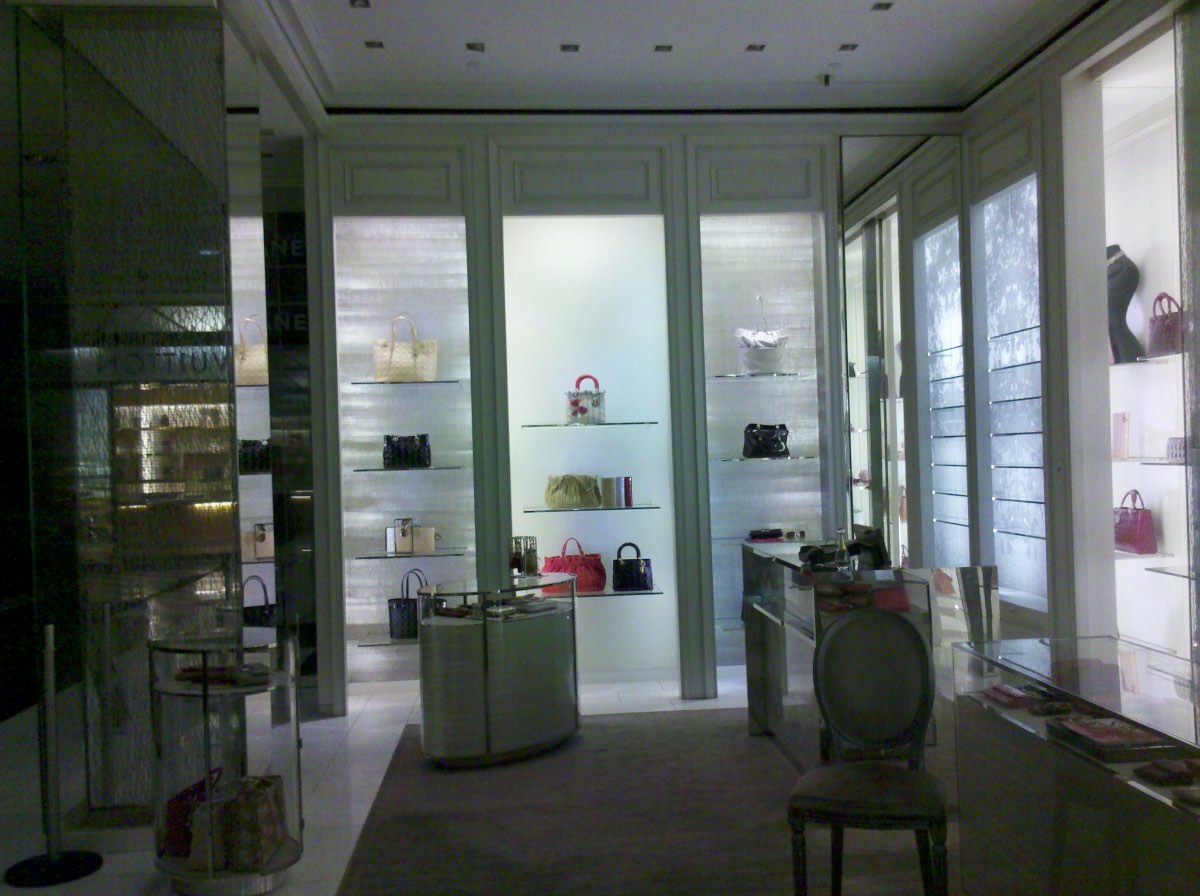
Metallic wallcovering across a luxury retail showroom, wide view, installed by Mancini Wallpapers
Retail showroom, metallic wallcovering
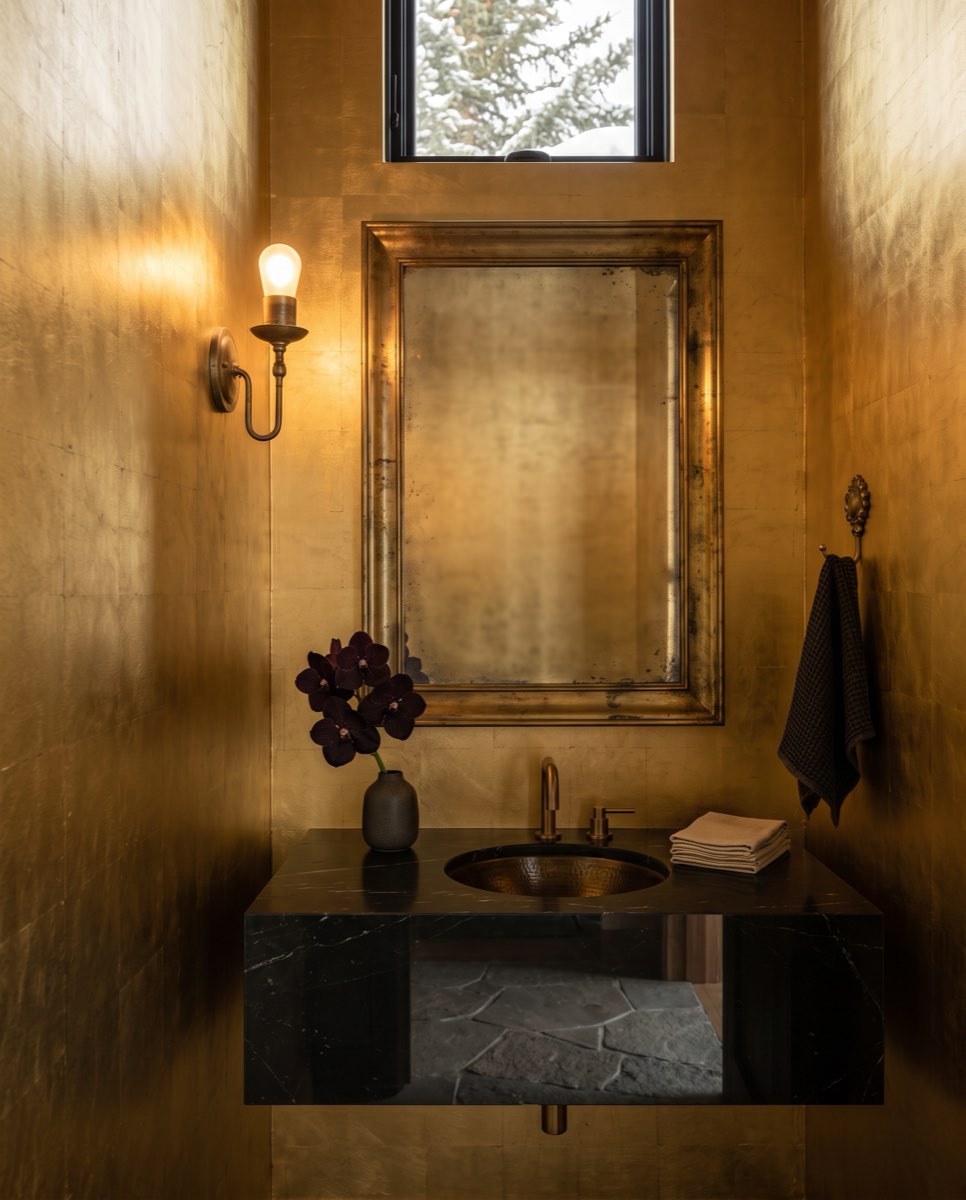
Gilded gold-leaf wallcovering in a powder room with a brass sconce and marble vanity, Deer Valley, Utah
Gilded leaf, powder room
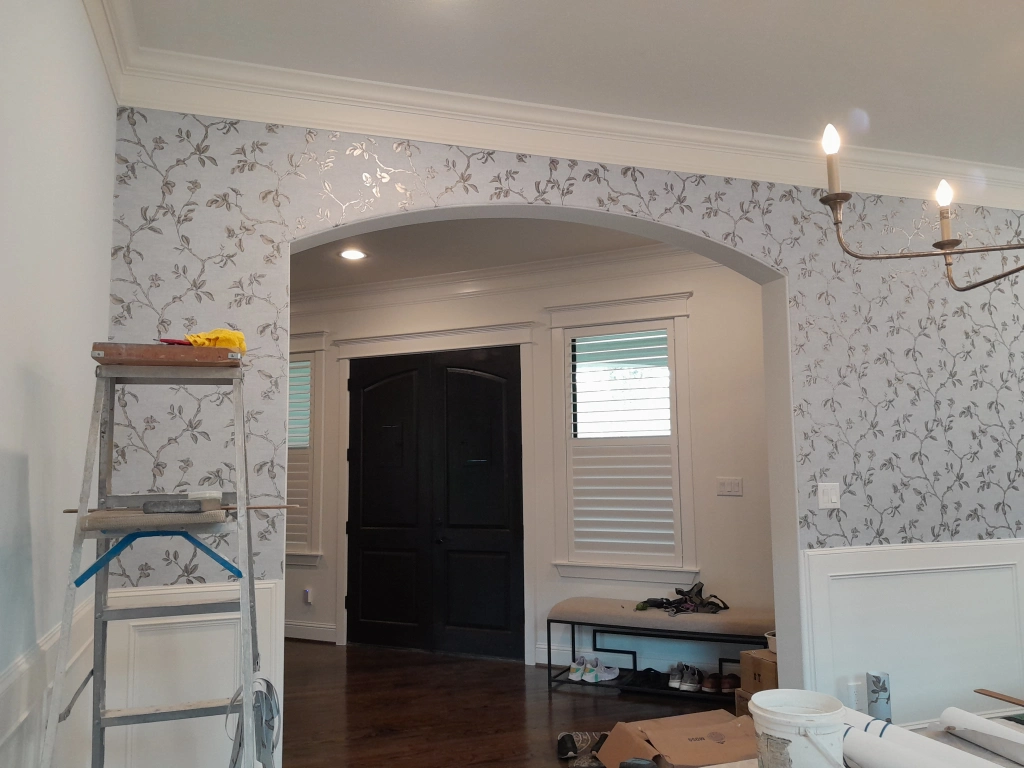
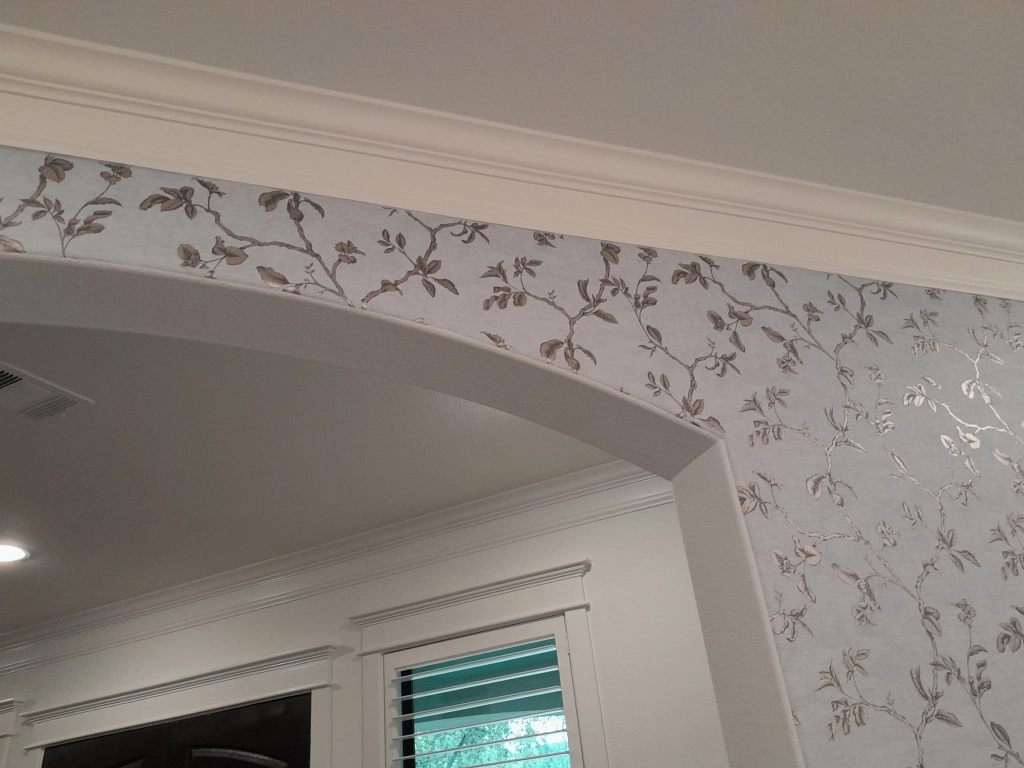
Silver floral metallic wallpaper through an arched entryway, full room, installed by Mancini Wallpapers
Silver floral, arched entryway
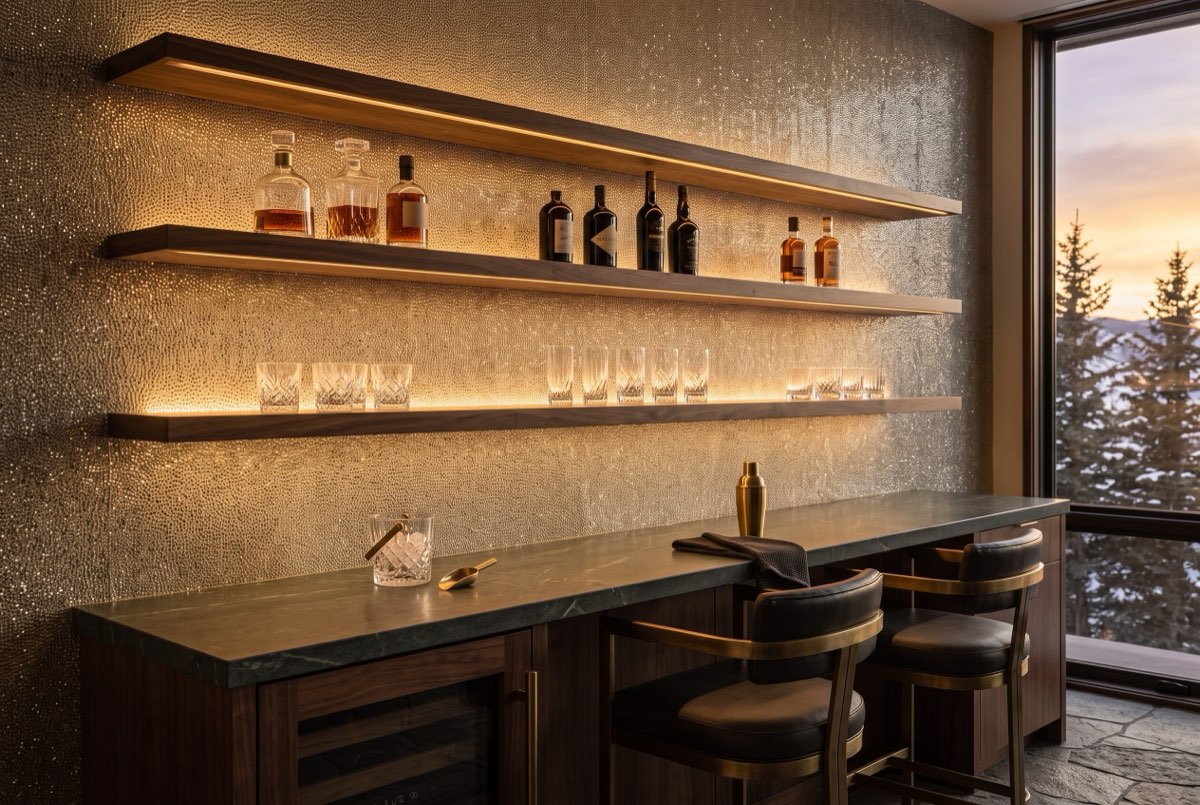
Glass-bead wallcovering behind a home bar with backlit shelves, Promontory, Utah
Glass bead, home bar
Silver textured wallcovering behind a luxury retail display, installed by Mancini Wallpapers
Silver textured, retail display
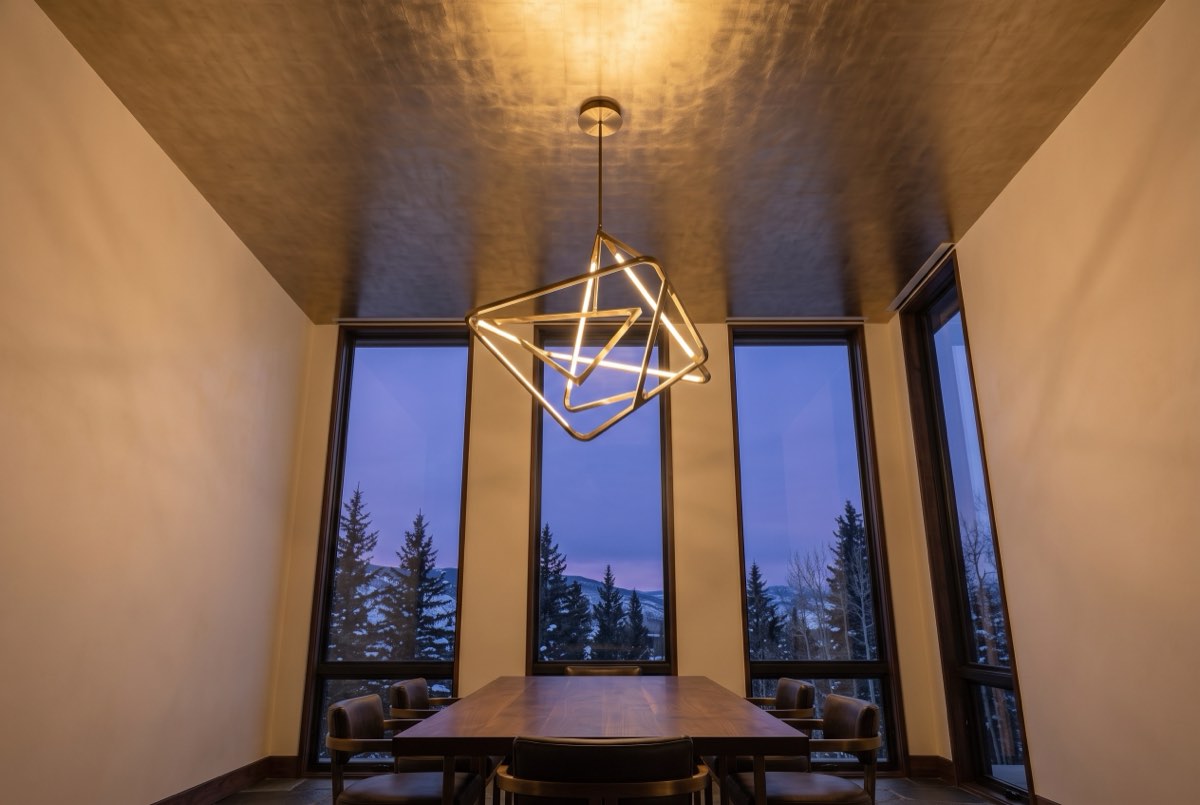
Metallic foil ceiling reflecting a chandelier over a dining room, Park City, Utah
Foil ceiling, dining room
Gold geometric art deco wallpaper on a living room media wall, installed by Mancini Wallpapers
Gold art deco, media wall
Silver floral vine wallpaper cut cleanly around an arch, detail, installed by Mancini Wallpapers
Silver vine, cut at the arch
Silver foil wallcovering detail with a brushed grain and a butted seam in raking light, Park City, Utah
Brushed foil, butted seam

Metallic, foil, and mica are installed by the same crews that carry Mancini's silk and grasscloth work across the Wasatch Back and its retail and hospitality work along the Wasatch Front: four crews, twelve trained installers, fully insured and bonded, with 70+ five-star reviews.

The houses

Metallic we know at the wall

Each house builds its metallic differently and publishes its own instructions. These are the ones we install most, and what each asks for.

Phillip Jeffries

Foils, micas, and metallic grasscloths alongside its natural fibres. Paste and seam instructions are published per collection and differ by backing.

Installation notes

Maya Romanoff

Chicago. Beaded, mother-of-pearl, and metallic-leaf wallcoverings with handling protocols per product: beaded and shell surfaces are never rolled.

Installation notes

Omexco

Belgian mica, foil, and metallic textile, often combined on a single roll. The paste follows the backing, never the face.

Installation notes

Arte

Belgian texture innovation, including metallic and mica-ground collections sold by lot with collection-specific instructions.

Installation notes

Innovations

Contract-grade foils, micas, and metallic vinyls for hospitality and retail, with tested data published per product.

Installation notes

Élitis

French contemporary metallics and foils, often wide-width. Wide goods change the seam count and the paste.

Installation notes

York Wallcoverings

Pearlescent and metallic-ink printed papers sold by the double roll; installed as printed paper on a sealed wall with quantities confirmed from the measurement.

Installation notes

Your house not listed?

Send the sample and the room. If it is reflective, we have installed something built the same way, and we read the manufacturer's instructions before the order.

Send the sample

Design house and manufacturer names referenced on this page are the property of their respective owners. They identify materials we install and completed project history. Mancini Wallpapers holds no partnership, certification, or endorsement from any house named, and installs every product to the instructions its manufacturer publishes.

Client reviews

Homeowners and designers, in their own words

5.0 · 70+ Google reviews

Where we install metallic

Headquartered in Park City. Serving the Wasatch luxury corridor.

Four crews, twelve trained installers, most projects on the calendar within weeks.

Park CityDeer ValleyEmpire PassThe ColonyPromontoryGlenwildJeremy RanchHeber CityMidwayRed LedgesVictory RanchTuhayeAlpineHighlandTraverse MountainSalt Lake CityHolladayCottonwood HeightsDraperSandy

Questions

Fifteen metallic questions, answered

The questions homeowners and designers ask before, during, and after a metallic, foil, or mica installation.

Mancini Wallpapers, headquartered in Park City. Foils, micas, leaf, and beaded surfaces are installed by the same crews that carry our silk and grasscloth work across Summit, Wasatch, Salt Lake, and Utah counties, and our retail and hospitality work along the Wasatch Front, to the instructions each house publishes.

Yes. Ceilings are among the best uses of a reflective surface: a foil ceiling over a dining table doubles the chandelier. The plaster is finished to the same Level 5 standard, proven under a raking light from a scaffold, and the seams are planned against the fixture that hangs from it.

On a foil or a leaf, yes, and they stay. That is why the crew works in gloves from the crate to the last smoothing pass, and why the wall is not touched after installation until it has cured. Afterwards it is treated like a mirror: hands off.

A foil seam reads differently by time of day, so the plan follows the light rather than the wall. Seams are placed away from the grazing path of a sconce and the reflection of a window, at the hours the room is used, and set by hand. Placed that way they read as one surface.

Foil is a thin aluminium laminate on paper: mirror-flat, and it reports every wave in the wall beneath it. Mica is mineral flake in a coating: a soft shimmer that forgives the wall almost entirely. Both take paste on the backing, and both are installed on a sealed wall, but foil demands a Level 5 finish proven under a raking light and a long cure.

A mirror-flat face turns every rise in the wall into a band of light and every dip into a band of shadow, the full width of the wall. Level 5 is a full skim coat sanded flat, and it is proven with a work light held flat against the surface before the primer goes on.

Longer than paper. Paste under a foil or a mylar dries only through the backing and into the wall, so the seams stay soft for days and a bubble that would settle overnight under paper takes a week. The schedule allows for it, the room is ventilated without direct heat, and the crew returns to check the seams once the surface has cured.

Foil and mica: a soft, dry microfibre cloth with no pressure and no cleaners. Leaf and bead: a soft brush or a feather duster only. Water and sprays mark a metallic face. A mark is referred to the house's guidance rather than treated at home.

In a powder room without a shower or tub, with ventilation, yes; it is the room metallic is most often specified for. In any bath with a shower or steam, no. Those rooms are declined at the measurement.

Foil and mylar can dull or shift under direct, sustained sun; mica and leaf hold their colour well. Walls that take the sun are identified at the measurement, and the specification follows the room.

Yes. Beaded and leafed surfaces are handled in gloves, seams are set by hand and never rolled, and the house's handling protocol is read before the order. Beads are bridged at the seam, not pressed; leaf squares are aligned drop to drop.

No. Existing wallpaper comes off, texture is skim-coated flat, and the wall is brought to Level 5 and proven under a raking light first. That preparation is part of the scope and is written into the proposal when the walls need it.

It depends on the wall heights, the roll width, the repeat if there is one, and where the seams must fall for the light. James measures every wall, plans the seams against the room's lighting, and derives the quantity from the cut lengths. The proposal shows the arithmetic, and the surplus stays with you because a foil repair years later needs the same batch.

No. Mancini is installation-only. Material comes through your designer's trade account, a showroom, or your own order, and we install what arrives. Designers keep their procurement chain and their markup; we are the execution at the end of it.

With a complimentary on-site measurement, taken at the hour the room is used where the room is an evening room. James walks the space, reads the light and the wall, and measures it himself. A written proposal follows, with the cure window and the return visit in the schedule. Send the property address and a photo of the room to begin.

Begin your metallic project

Schedule a measurement

Send the property address and a photo of the room. James will come back with a time to walk the space, read its light at the hours it is used, and measure it himself. A written proposal follows.

hello@manciniwallpapers.com · Mon–Fri 8 AM – 7 PM MT · Saturday by appointment

70+
Five-Star Reviews
12
Trained Installers
4
Active Crews
100%
Insured & Bonded
Park City
Headquarters