

Material · Vinyl and contract wallcovering
Type I, II, and III contract vinyl and designer residential vinyl, installed to the specification each manufacturer publishes. Primed for vinyl adhesion. Seams double-cut into the texture. Coordinated with the trades on site. Installation-only, headquartered in Park City.
What vinyl is
Vinyl wallcoverings, paper-backed and fabric-backed, from light-duty Type I to heavy-duty Type III. Durable, cleanable, and rated for fire, they are specified where walls take contact: hospitality corridors and guest rooms, healthcare, offices, restaurants, retail, and the working rooms of a home, the kitchens, laundries, mudrooms, and family baths.
Vinyl is forgiving of use and unforgiving of installation. A fabric-backed Type II will not hide an overlapped seam, will not stick to an unprimed wall, and will trap whatever moisture was left in the substrate. Installed to the data sheet, it serves a corridor for fifteen years. Installed like paper, it fails in one.
Vinyl and contract wallcovering is Mancini's commercial lane: hospitality and branded residences in Park City and Deer Valley, and healthcare, office, and retail work along the Wasatch Front, installed by the same crews that carry the residential work, coordinated with the other trades on site.
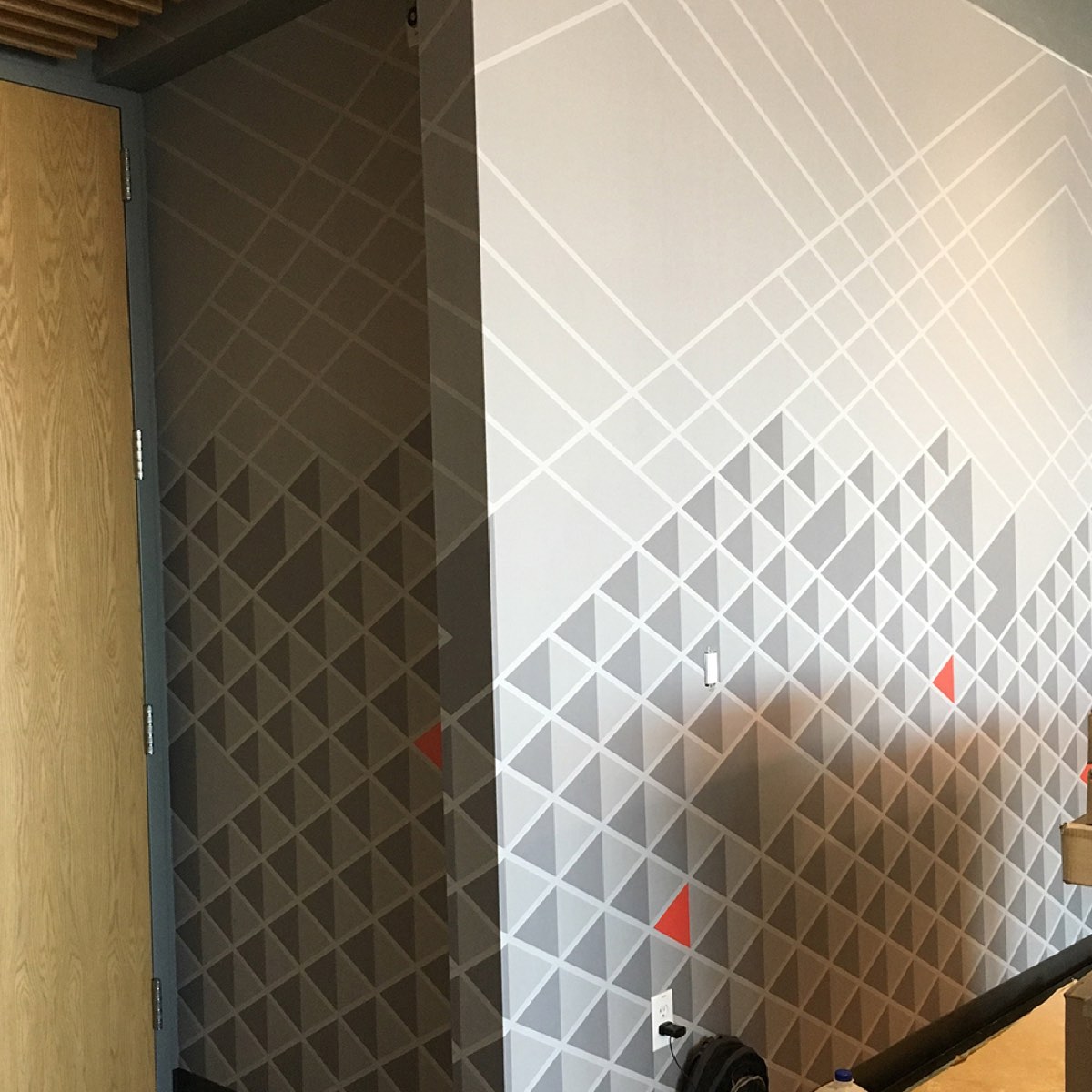
Three weight classes
The face of a vinyl wallcovering is the wearing layer: printed, embossed, or textured. The backing underneath takes the paste and gives the sheet its tear strength, and it is the backing that sorts the product into its class. Type I is vinyl on paper or a light non-woven, for offices, guest rooms, and homes. Type II is vinyl on woven osnaburg, the corridor, lobby, and healthcare standard. Type III is heavy vinyl on scrim, for loading areas and service corridors.
Heavier backing means a heavier, more abrasion-resistant sheet, and a seam that must be double-cut on the wall rather than butted from the factory edge. Designer residential vinyl from the decorative houses sits at Type I weight with a printed face, and it is installed as vinyl, not as paper: primed for vinyl, pasted for its weight, seamed for its backing.
Vinyl guide
Vinyl covers a range from a printed guest-room paper to a scrim-backed sheet for a loading dock. Each one asks something different of the wall, the seam, and the schedule.
| Product | Backing | Class | Where it performs | Seam | At the wall |
|---|---|---|---|---|---|
| Type I printed vinyl | Paper or light non-woven | I | Guest rooms, offices, homes | Butted or double-cut | Vinyl primer. Paste for the weight. Pattern matched. |
| Type II textured vinyl | Woven osnaburg | II | Corridors, lobbies, healthcare | Overlap and double-cut | Reverse-hung where specified. Mildew-resistant adhesive. |
| Type III heavy vinyl | Scrim | III | Service corridors, loading, back of house | Overlap and double-cut | Heavy-duty adhesive. Corners wrapped, not seamed. |
| Designer residential vinyl | Paper or non-woven | I | Kitchens, laundries, family baths, mudrooms | Butted or double-cut | Installed as vinyl: primed, pasted, seamed for the backing. |
| Non-woven vinyl | Non-woven | I–II | Guest rooms, offices | Butted | Paste the wall. Strippable at renovation. |
| Embossed and textured vinyl | Osnaburg | II | Corridors, restaurants, retail | Double-cut into the texture | Seams placed where the emboss hides them. |
| Digital custom vinyl | Osnaburg or paper | I–II | Branded walls, lobbies, feature walls | Panel-matched | Panels sequenced and registered as a mural. |
| Wall protection sheet | Rigid vinyl | Protection | Healthcare, service | Trimmed and welded | Installed to the protection manufacturer's system. |
Where vinyl performs
What vinyl demands at the wall
The material is correct more often than the installation. These are the steps that close the gap.
The wall is dry, sanded, and primed with a primer made for vinyl, not a paint primer. Existing painted walls are deglossed first.
Fabric-backed vinyl is overlapped and cut once through both layers on a straightedge, offcuts removed, edges rolled closed, with the wall protected behind the blade.
Alternate drops are turned so slight shade variation cancels across the wall. The data sheet says whether; the crew follows it.
Factory edges on heavy goods are not trusted to butt. Every seam on a Type II or III is made on the wall.
Submittals first, walls primed, rooms held for the crew, base and fixtures after. After-hours and phased work scheduled at the site walk.
The seam
A factory edge on a fabric-backed vinyl is rarely true enough to butt, and vinyl will not hide an overlap the way a paper sometimes can. So the seam is made on the wall. The second drop is laid about an inch over the first, one cut is made through both layers on a straightedge, both offcuts come out, and the two fresh edges are closed and rolled. The seam then reads as part of the texture, not as a line.
The wall behind the cut is protected with a strip so the blade never scores the substrate, because a scored wall under a non-breathing sheet is a future failure. Where the product's data sheet calls for reverse hanging, alternate drops are turned so slight shade variation from the roll cancels across the wall instead of stacking.
The wall beneath
A vinyl face seals the wall. Whatever moisture is in the substrate stays behind the sheet, and whatever adhesive was not fully bonded stays soft. That is why the wall is dry before anything goes on it, why the primer is one formulated for vinyl rather than a paint primer, and why the adhesive is a mildew-resistant clay or clear paste chosen for the product's weight class.
On an exterior wall in a cold climate, vapour can drive from inside toward the sheet over a winter. Where the drawings address it, with a breathable product or a vapour strategy, the crew installs to that decision. Where the drawings are silent, the wall is flagged at the site walk before the order, not discovered after.
On a commercial site
A wallcovering package on a commercial job is a scheduling problem before it is an installation problem. Submittals come first: product data, class, fire rating, adhesive, primer, and lot, prepared from the specification. The walls are finished and primed before the crew arrives, the rooms are held for the crew alone, and the base and casings that cover the cut edges go on after. Fixtures, signage, and art go on last.
Occupied floors are phased and worked after hours where the operator needs it. Multi-crew capacity is what makes that possible: four crews and twelve installers mean a corridor package or a floor of guest rooms moves on the contractor's schedule. The sequencing is agreed at the site walk and written into the proposal.
Living with vinyl
The most cleanable wallcovering there is, within limits.
Mild detergent and water on a soft cloth, rinsed and dried. Type II and III take a soft brush. No abrasives, no solvents, no bleach unless the manufacturer's care sheet allows it. Check the data sheet for the product's cleanability class.
Most scuffs lift with a damp cloth. A scored or torn panel is replaced from the surplus we leave on site, which is why the lot matters and the surplus stays with you.
Vinyl holds colour well; printed faces can soften under years of direct sun. Walls that take the sun are noted at the site walk.
Vinyl tolerates humid rooms, which is why it is specified for laundries and family baths. Active moisture behind the wall is a different matter and is checked before the order.
A Type II installed on a primed, dry wall serves a corridor for ten to fifteen years of daily contact. Guest-room Type I serves through a renovation cycle.
Non-woven and many fabric-backed vinyls strip dry at the next renovation, which is part of why they are specified. Overlaying new vinyl over old is done only where the specification allows it.
Why Mancini
Seams double-cut and rolled closed. Corners wrapped. Pattern matched drop to drop.
A corridor shows every seam under its lighting for fifteen years. The standard is measured in what you do not see: no lifted edge, no visible join, no scored wall behind the sheet.
Installed to the data sheet: primer, adhesive, seam method, reverse hanging, fire rating.
Every manufacturer publishes an installation specification for its vinyl. We read it before the submittal and follow it at the wall. No shortcuts, no substitutions.
Four active crews. Twelve trained installers. Packages sequenced to the contractor's schedule.
Multi-crew capacity means a floor of guest rooms or a corridor package moves on your schedule, phased and after hours where the operator needs it.
Vinyl and contract, installed
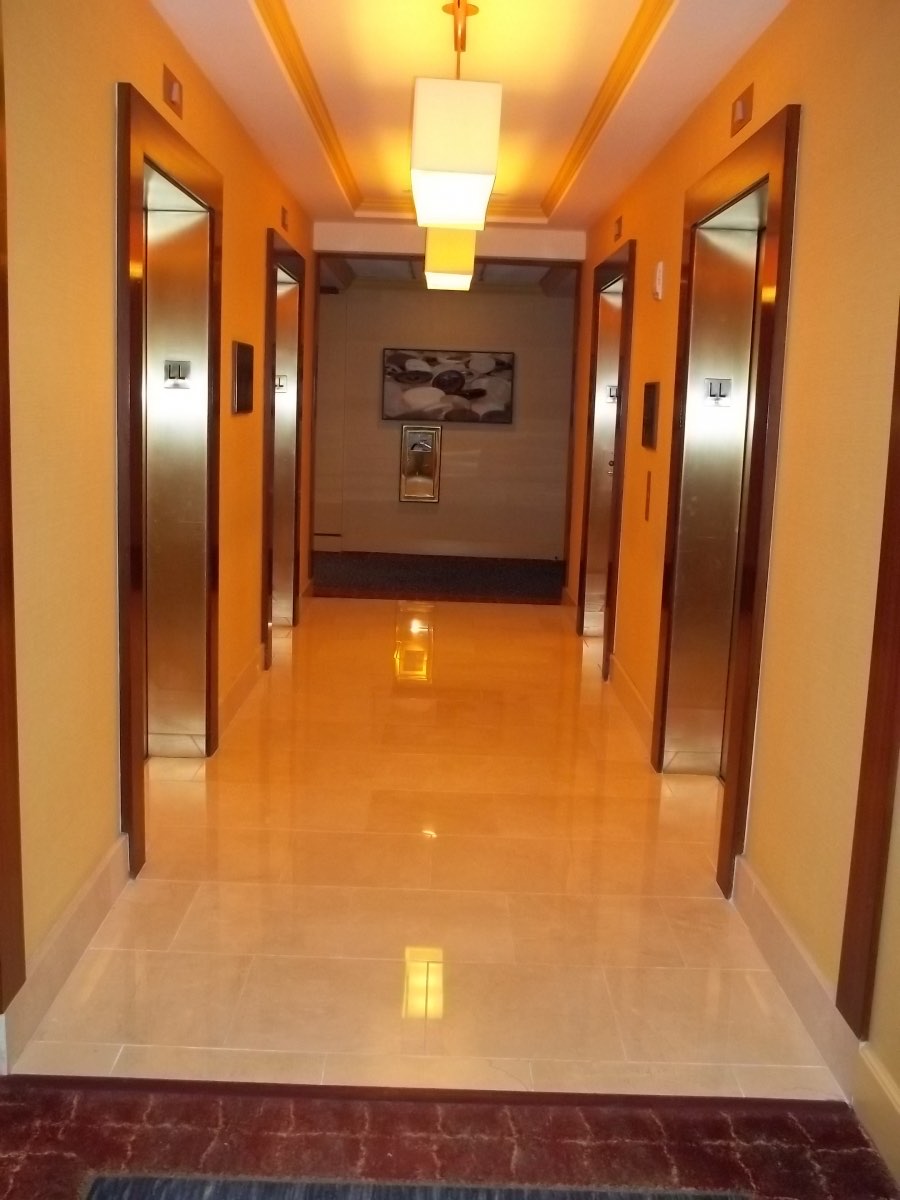
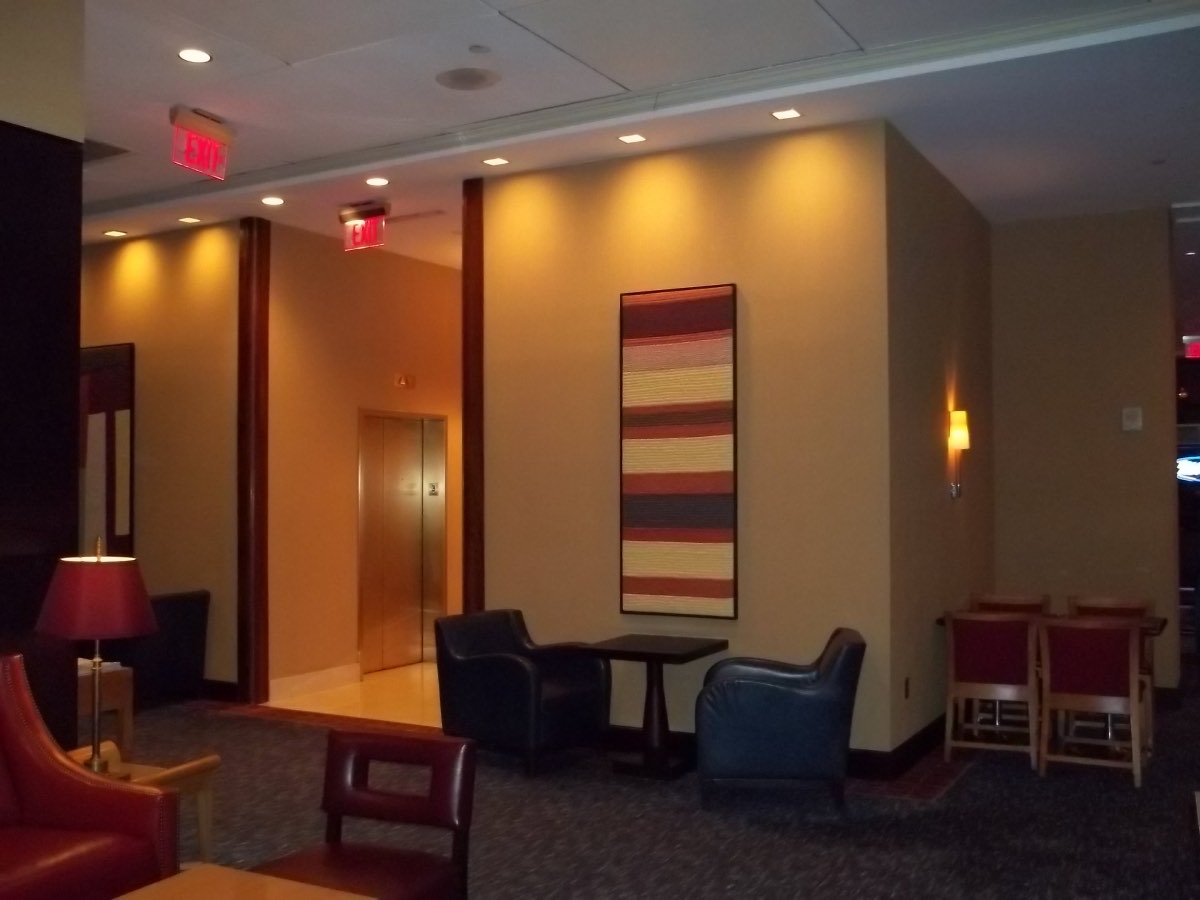

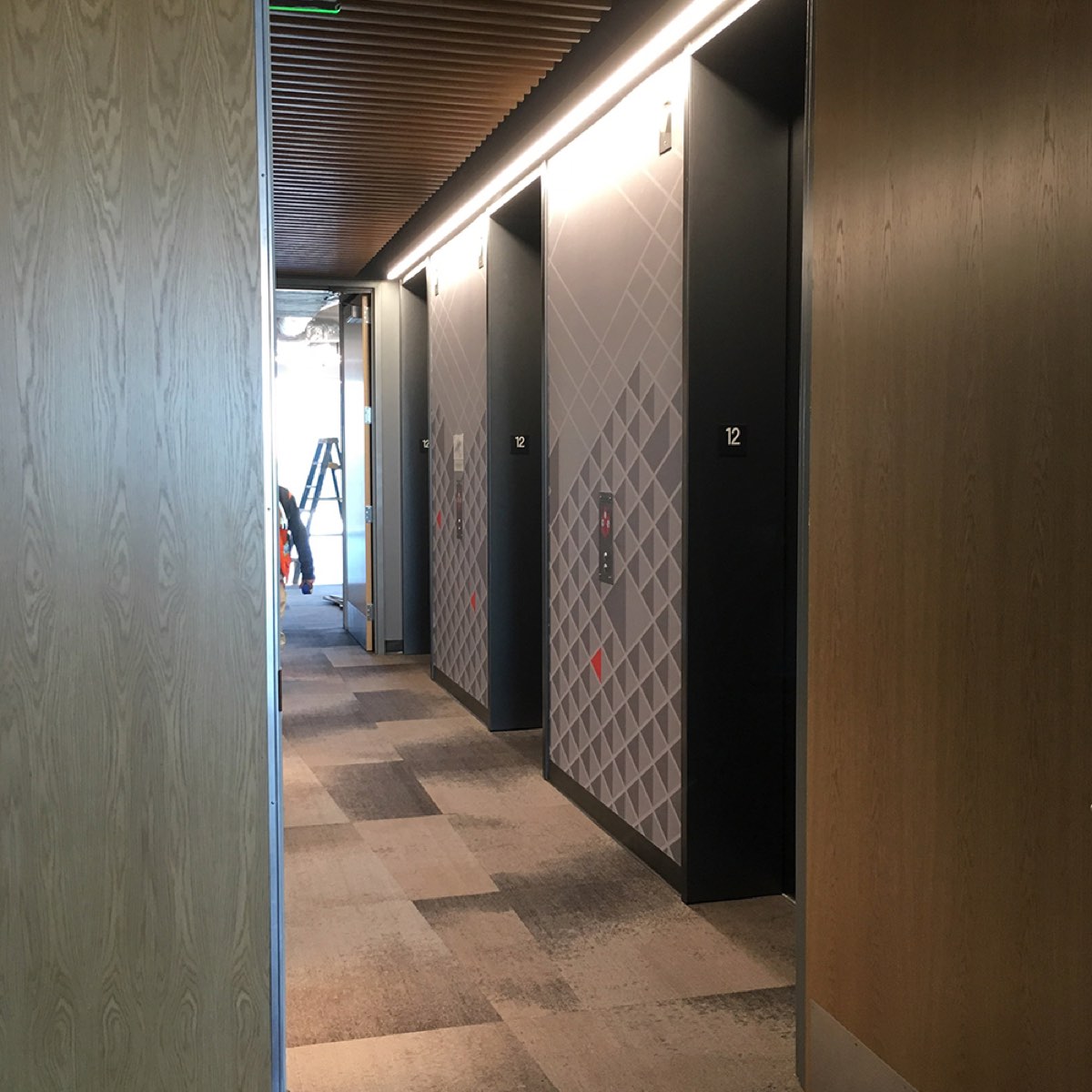


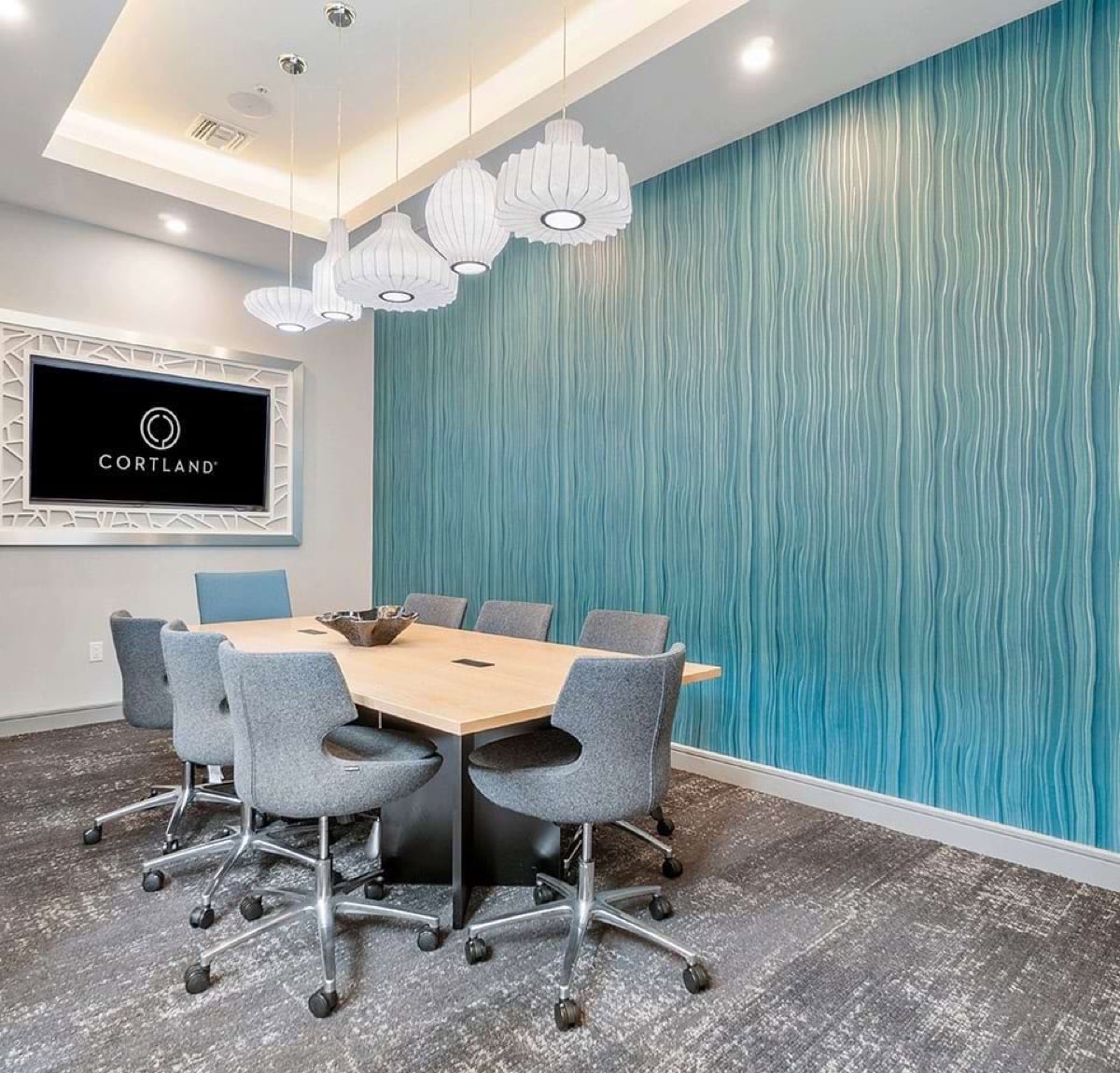
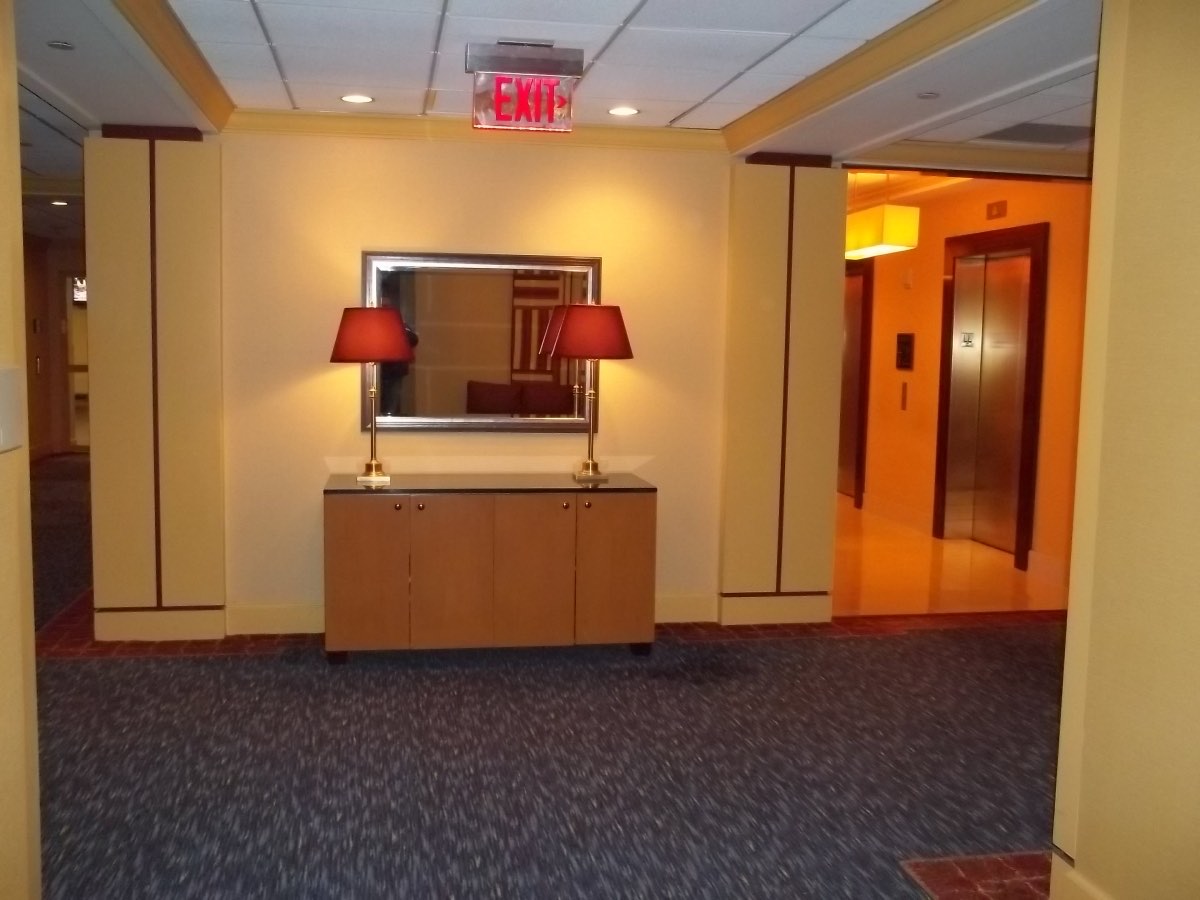
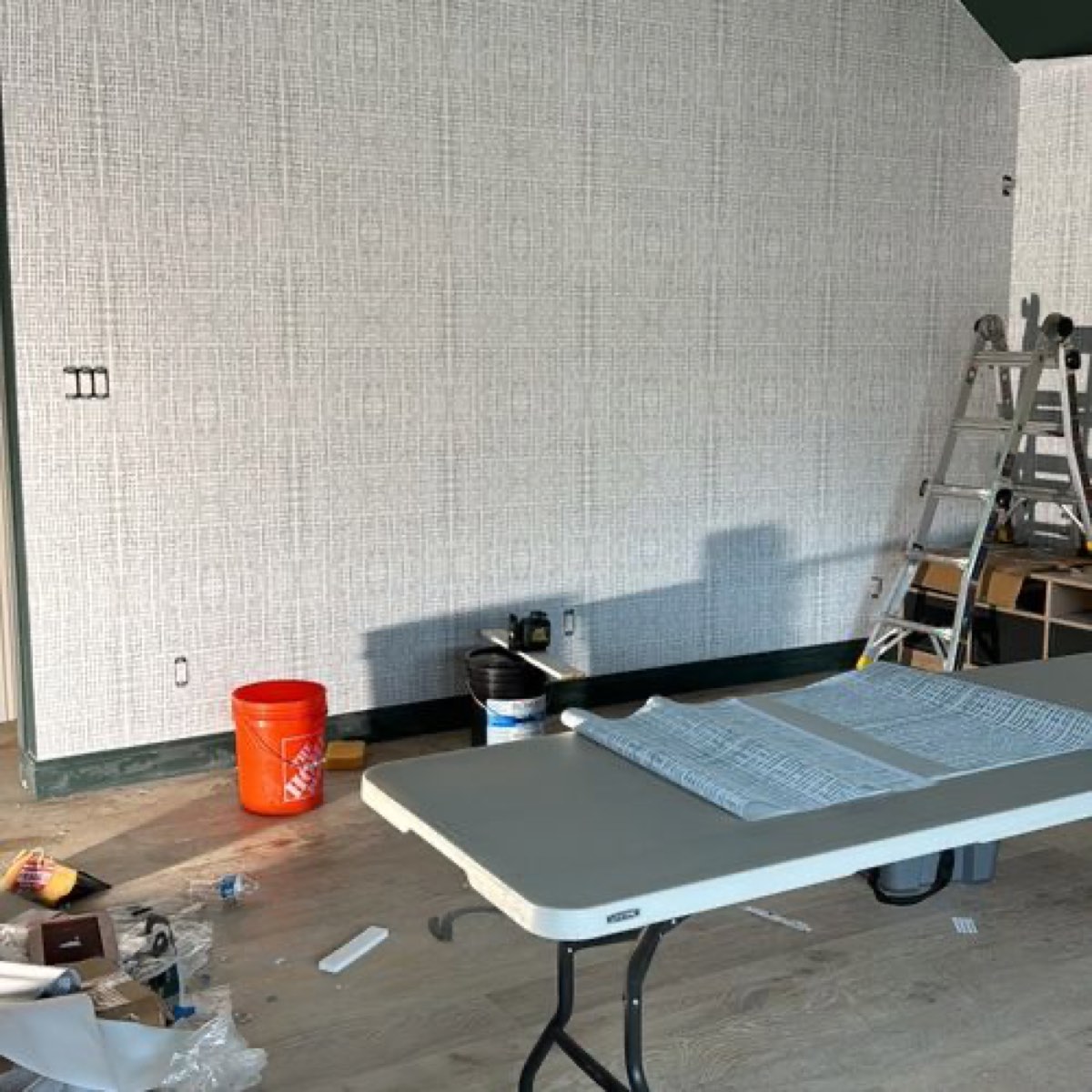
Vinyl and contract wallcovering is installed by the same crews that carry Mancini's residential work, across hospitality, healthcare, office, and retail sites along the Wasatch Front: four crews, twelve trained installers, fully insured and bonded, with 70+ five-star reviews.
The houses
Each manufacturer builds its vinyl differently and publishes its own data sheet. These are the ones we install most, and what each asks for.
Type II and III contract vinyl for hospitality and healthcare, with published adhesive, primer, and seam instructions per product and a full submittal package.
Installation notesContract vinyl, textured and digital, for corridors and public spaces. Reverse hanging and seam method stated per pattern.
Installation notesDesigner-grade contract vinyl and textures for hospitality and residential, with tested data per product.
Installation notesType II vinyl and specialty contract wallcoverings, including digital and protective systems, with adhesive matched per product.
Installation notesContract vinyl and textiles for office, healthcare, and hospitality, with installation data published per collection.
Installation notesDesigner residential vinyl on paper and non-woven backings for kitchens, baths, and family rooms; installed as vinyl, to the house's instruction.
Installation notesResidential and contract vinyl sold by the double roll or by the yard, quantities confirmed from the measurement; installed to the published instruction.
Installation notesSend the specification section or the data sheet and the drawings. If it is a vinyl wallcovering, we have installed something built the same way, and we read the manufacturer's instructions before the submittal.
Send the sampleDesign house and manufacturer names referenced on this page are the property of their respective owners. They identify materials we install and completed project history. Mancini Wallpapers holds no partnership, certification, or endorsement from any house named, and installs every product to the instructions its manufacturer publishes.