
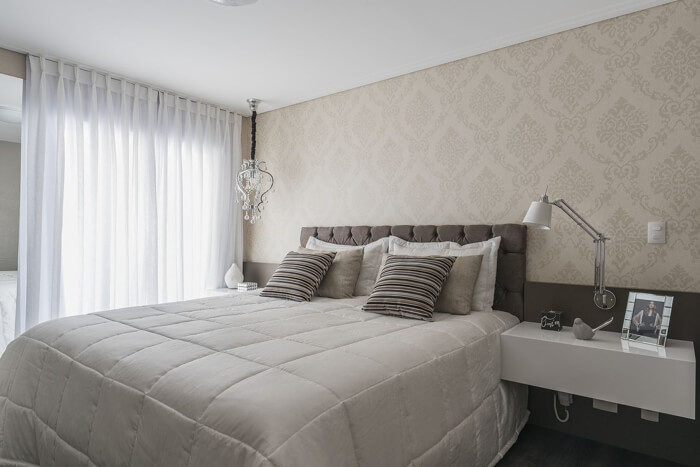
The Subtle Drama of a Sculptural Surface Imagine entering a space where the walls do not merely define the room, but actively participate in the atmosphere. They hold the light, cast delicate shadows, and invite a tactile connection. This is the profound difference texture introduces to luxury interior walls. Where a flat surface absorbs light uniformly, a heavily textured wallcovering—be it woven grasscloth, embossed vinyl, or fine silk—creates a continuous, shifting narrative. It is a silent, elegant tension that elevates the entire design schema. For the aesthetic-focused homeowner and the discerning designer, selecting a material with depth is an act of curatorial intent, transforming standard drywall into a canvas of three dimensions. Beyond Two Dimensions: How Texture Creates Richness The mastery of textured wallcoverings lies in their ability to manipulate the environment. This is achieved through three critical elements: Depth: The physical relief of the material—the high and low points—immediately adds a sense of permanence and quality that paint alone cannot replicate. Movement: As one moves through the room, the pattern shifts. This visual dynamism ensures the wall is never static, offering a fresh perspective from every viewing angle. Light Play: This is the most compelling aspect. The texture catches ambient and artificial light, scattering it to produce soft, organic gradations of shadow and highlight. It is a nuanced effect that requires a true wallcovering expert to manage flawlessly. Why Seamless Texture Is Often Compromised Achieving a gallery-grade installation with heavily textured materials is exponentially more challenging than with standard papers. Whe